-

Tax Exemptions for Religious Institutions in India: Constitutional Protection or Breeding Ground for Corruption?
Read more: Tax Exemptions for Religious Institutions in India: Constitutional Protection or Breeding Ground for Corruption?By – Akshara Gupta Abstract The intersection of taxation and religion remains one of the most contentious areas in modern law and public policy. This is because the Constitution itself draws an explicit boundary where Article 27 bars the state from using tax revenue to promote any religion. Across various democratic nations, religious organisations enjoy…
-

The FCRA and its impact on the regulation of the foreign rupee and the reshaping of India’s civil society
Read more: The FCRA and its impact on the regulation of the foreign rupee and the reshaping of India’s civil societyBy — Kamya Sharma Abstract The Foreign Contribution (Regulation) Act 2010 (as amended in 2020) has emerged as the main law for regulating the inflow of foreign funds into non-governmental organisations, charitable trusts and religious institutions in India. The law has come at a time when thousands of registrations have been cancelled, and foreign inflows…
-

Charity or Influence? Drawing the Line Between Foreign Philanthropy and Foreign Interference in India.
Read more: Charity or Influence? Drawing the Line Between Foreign Philanthropy and Foreign Interference in India.By — Ananya Rana Abstract In Indian public life, foreign funding occupies an awkward place. It can finance hospitals, schools’ disaster reliefs and community welfare but raises legitimate concerns regarding political influence, religious preachings, financial misuse and national security. The Foreign contribution (Regulation) Act 2010 (FCRA) attempts to manage this tension by placing foreign funded organisations…
-
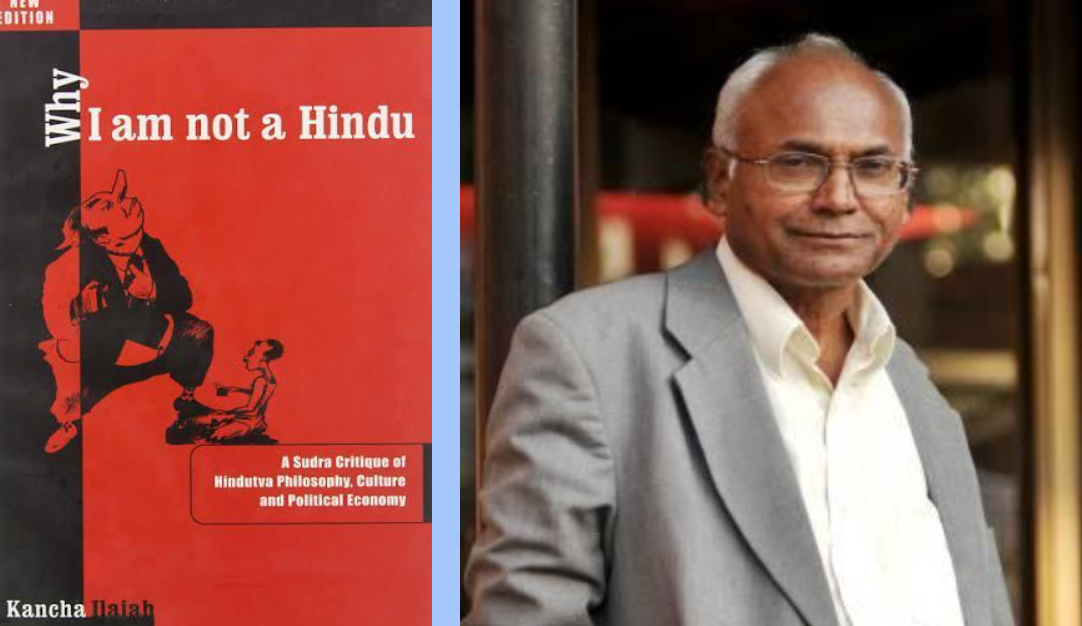
Why I am not a Hindu: A Sudra critique of Hindutva Philosophy, Culture and Political Economy – Kanchan Ilaiah
Read more: Why I am not a Hindu: A Sudra critique of Hindutva Philosophy, Culture and Political Economy – Kanchan IlaiahBy – Sahil Agarwal Abstract A Sudra Critique of Hindutva Philosophy, Culture and Political Economy by Kancha Ilaiah presents a critique of the Brahminical social order through the lived experiences of Dalit-Bahujan communities. This review examines Ilaiah’s arguments on caste identity, Brahminization, the political economy of Hinduism, mythology, and gender. It focuses on his contrast…
-

Portable Practice: What the NMC’s UID Proposal Means for Indian Federalism
Read more: Portable Practice: What the NMC’s UID Proposal Means for Indian FederalismBy – Sarthak Katewa Abstract On the 11th of August 2026, the National Medical Commission notified a draft regulation which proposed a single national licensing framework for doctors. Once a doctor has registered with a state medical council and has been assigned a Unique Identification number in the National Medical Register, such a doctor would…
-

Regulating Religious Institutions in India: A Constitutional Framework of Secularism, Equality, and Religious Freedom
Read more: Regulating Religious Institutions in India: A Constitutional Framework of Secularism, Equality, and Religious FreedomBy – Kamya Sharma Abstract Religious institutions in India control a substantial wealth like gold in temples, waqf properties which cover around nine lakh registered parcels and significant contributions from devotees. When the question of governing these religious institutions comes up, it is considered as an administrative question however, it is a constitutional question too.…
-

Who Gets Counted? The Politics of SIR
Read more: Who Gets Counted? The Politics of SIRBy — Sarthak Katewa Abstract The Special Intensive Revision of Electoral rolls in India is a public policy issue which is situated at the intersection of electoral integrity, administrative discretion and democratic inclusion, which recently risks being democratic exclusion. This article seeks to examine the manner in which the Election Commission of India has defended…
-

Sacred Property, Secular Power: How constitutional principles of religious freedom shape the regulation of religious institutions and their assets.
Read more: Sacred Property, Secular Power: How constitutional principles of religious freedom shape the regulation of religious institutions and their assets.By — Shatakshi Sharma Abstract There is a unique paradox inherent within the Indian Constitution which grants freedom of religion to citizens through Articles 25 and 26, and at the same time allows the State to interfere in the economic and administrative functioning of the religious institutions. The debate regarding who should have control over…
-

Equal Faith, Unequal Rules: Why India’s Religious Endowments Need Common Standards, Not Common Laws
Read more: Equal Faith, Unequal Rules: Why India’s Religious Endowments Need Common Standards, Not Common LawsBy – Ananya Rana Abstract India’s religious institutions are no longer simple places of worship, they include charitable organisations, major landholders and are custodians of immense public wealth. Even after performing similar public functions, temples, waqf properties, churches and gurdwaras continue to be governed by legal regimes shaped as much by historical evolution as by…
-

From Colonial Examinations to NEET: Is India Still Governed Through Tests?
Read more: From Colonial Examinations to NEET: Is India Still Governed Through Tests?By – Akshara Gupta Abstract In 1835, a British politician named Thomas Babington Macaulay stood before the Governor-General of India and presented a document that would shape the subcontinent for the next two centuries. His well known Minute on Indian Education” did not just sketch out a curriculum, it proposed the creation of a class.…
-

DATA COLONIALISM 2.0: Extracting Value from Indian Users Without Compensation
Read more: DATA COLONIALISM 2.0: Extracting Value from Indian Users Without CompensationBy – Akshara Gupta Abstract India has about 953 million internet users, but the country fails to capture any economic benefits from its vast behavioural data which it generates. Google, Meta, and Amazon platforms collect this data without any expenses while they use it to generate revenue through targeted advertising and AI model training which…
-
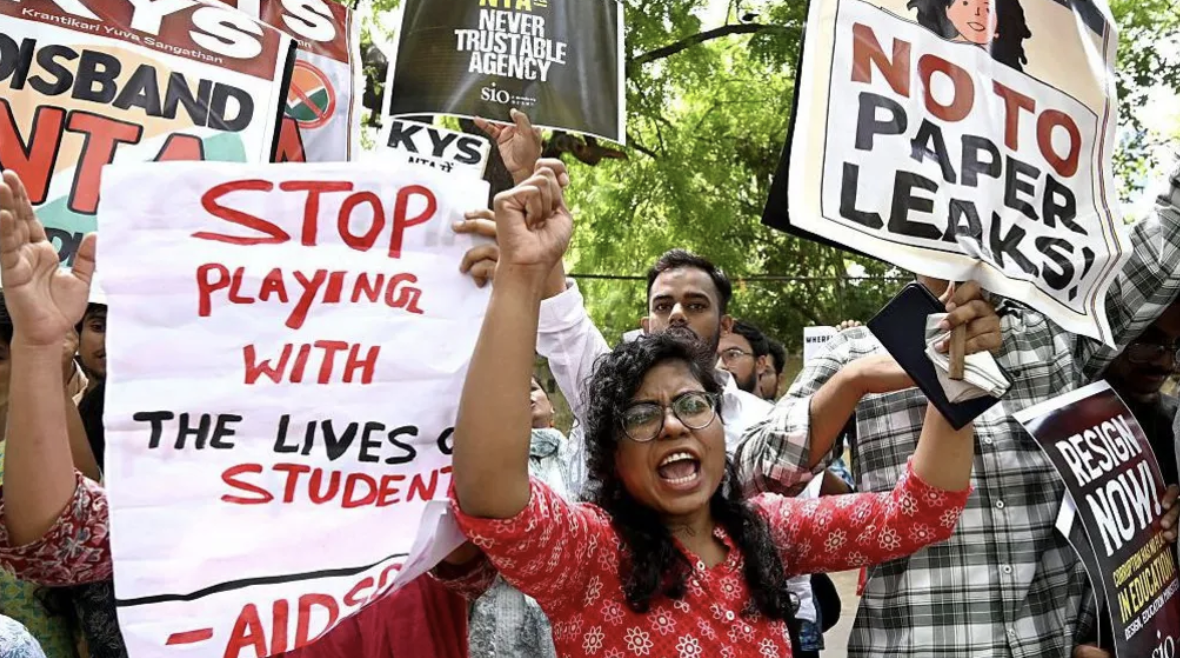
Shortcut is the Problem: Efficiency, Fairness and India’s Examination System
Read more: Shortcut is the Problem: Efficiency, Fairness and India’s Examination SystemBy – Kamya Sharma Abstract The National Testing Agency cancelled the NEET UG examination after a CBI investigation disclosed a question paper leak in May 2026 for which 2.27 million medical aspirants registered. NEET examination is based on the idea that a standardised and centralised test is the most efficient way to provide seats as…

Nickeled & Dimed
Penny for your thoughts?
We are accepting articles on our new email: cnes.ju@gmail.com