-
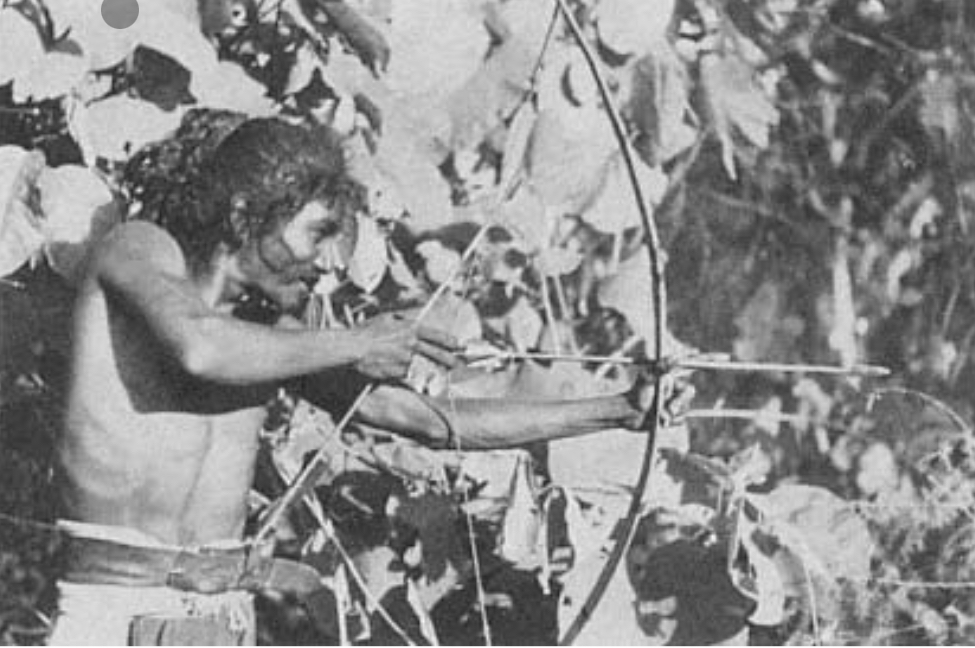
The Unmasking of an Unbalanced Reality: How Tribal Literature Reveals A Long-Drawn Oppression
Read more: The Unmasking of an Unbalanced Reality: How Tribal Literature Reveals A Long-Drawn OppressionBy — Nandini Pandey Abstract The Adivasi population of India is diverse and consists of various different groups and tribes. Despite their differences in practices and culture, they stand united on the grounding of exclusion and suppression that they have faced from society for generations. This essay examines such oppression through the works of tribal…
-
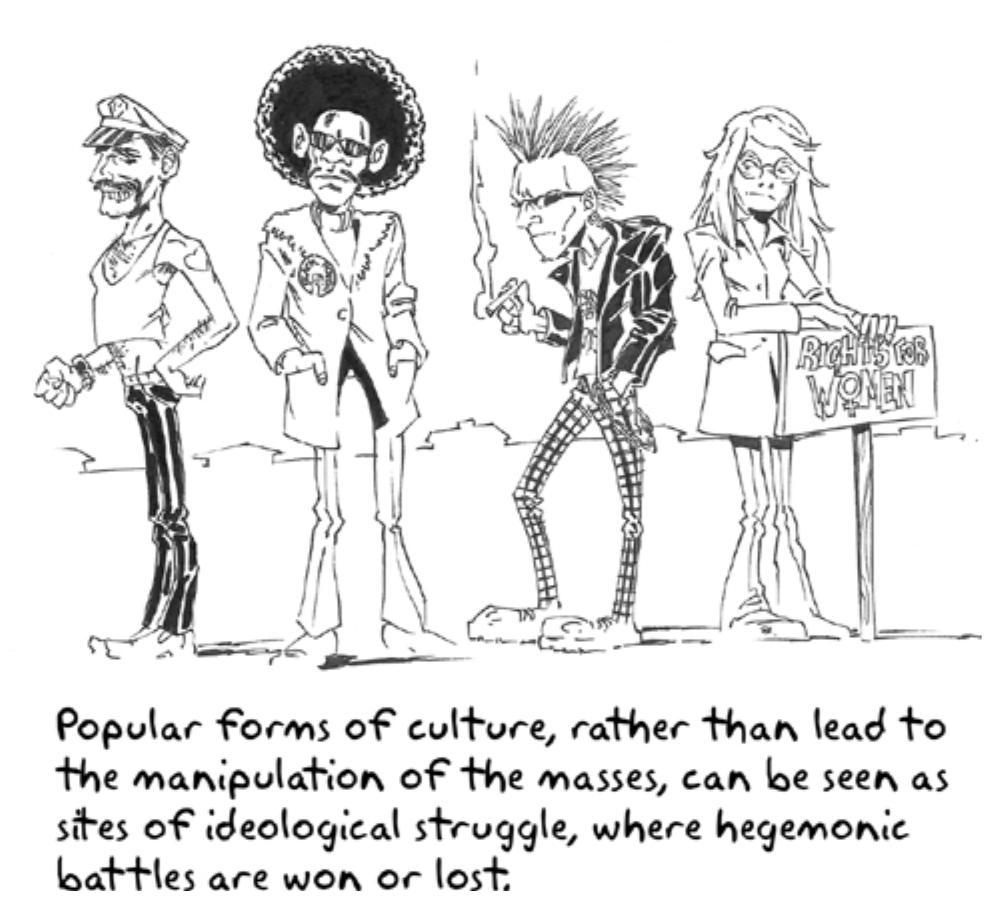
The making of social hegemony through media and culture
Read more: The making of social hegemony through media and cultureBy – Apoorva Lakshmi Kaipa Abstract This article examines the role of media in sustaining social power structures through Gramsci’s concept of cultural hegemony. Media platforms, films, pop culture and advertising reproduce dominant ideologies instead of operating as neutral channels of communication. The article will: explore how social media algorithms shape visibility and reinforce already…
-

Trumbo : Revisiting Communist Imagination in post-WWII America
Read more: Trumbo : Revisiting Communist Imagination in post-WWII AmericaBy – Poorvanshi Tyagi Abstract Trumbo (2015) is based on the tumultuous career of Academy Award winning screenwriter Dalton Trumbo. The film examines the life and mind of Trumbo, whose public support for communism in the Cold War era shaped his personal, social and professional life. Through the lens of Trumbo, this article aims to…
-
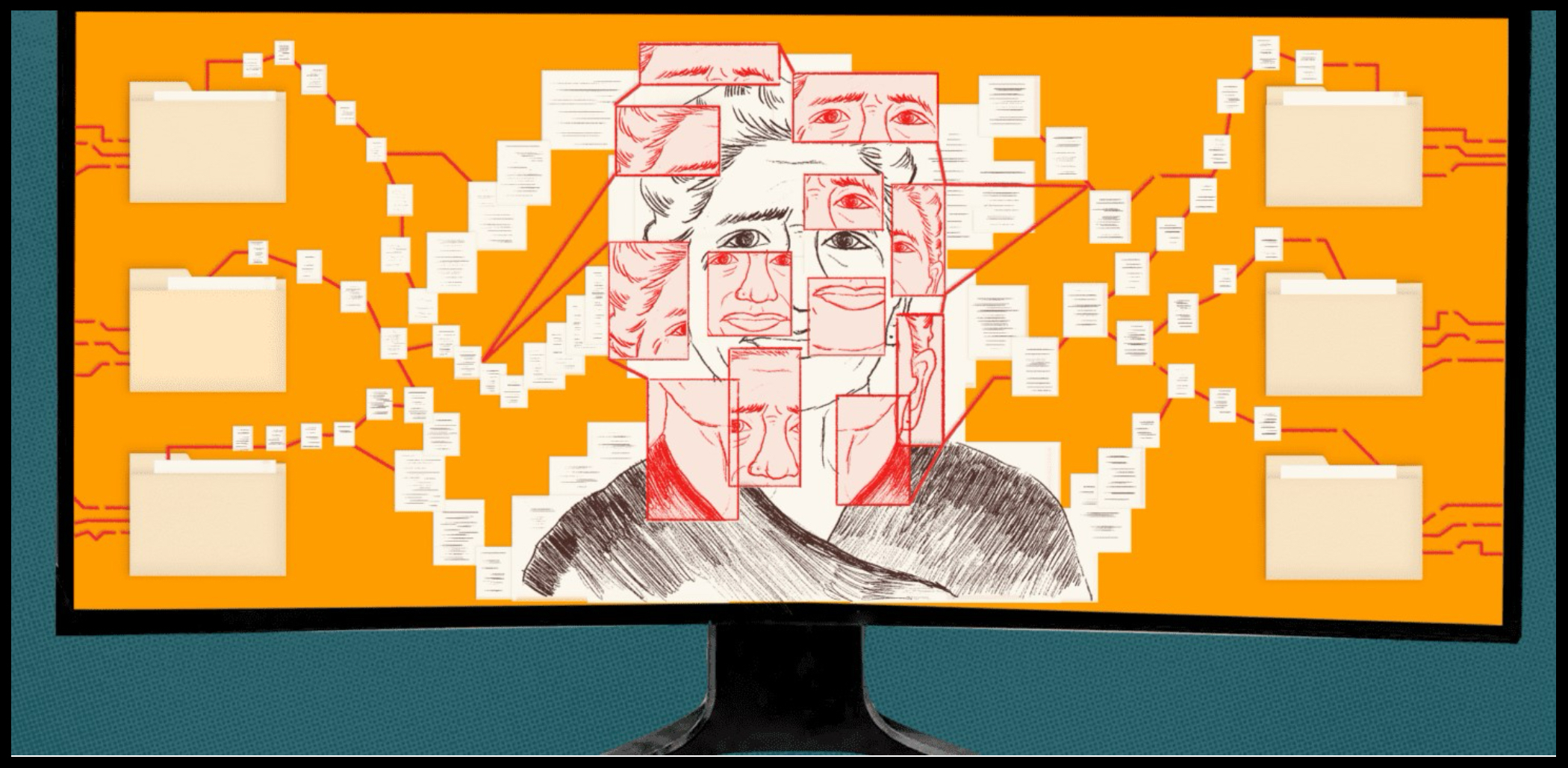
Is AI Rewriting Rights in India?
Read more: Is AI Rewriting Rights in India?By — Hansin Kapoor Abstract In India’s high-stakes technological renaissance, artificial intelligence is a Pandora’s box brimming with promise but also peril. On the one hand, AI fuels innovations in healthcare, agriculture, and governance; on the other, it raises profound human rights dilemmas. UNESCO notes that AI is re-shaping the way we work, interact, and…
-

Food : A Saviour For the Victims of Partition
Read more: Food : A Saviour For the Victims of PartitionBy – Nandini Pandey Abstract The role of food in our lives is immense, yet often goes unnoticed. It is not merely a daily habit but a source of comfort, livelihood and income for an abundance of people. The food we have from outlets for our enjoyment helps sustain a legacy in each bite that…
-

Tamil Nadu’s Struggle for Language and Culture
Read more: Tamil Nadu’s Struggle for Language and CultureBy – Apoorva Lakshmi Kaipa Abstract This article examines the indirect legacies of Partition in Tamil Nadu, focusing on the Dravidian movement, anti-Hindi agitations, and linguistic state formation. Drawing on scholarly and journalistic sources, the article highlights how Tamil politics developed unique strategies in response to the post-partition centralisation and language imposition. Introduction Partition is…
-

Namasudra Refugees: Caste, Partition, and the Marichjhapi Tragedy
Read more: Namasudra Refugees: Caste, Partition, and the Marichjhapi TragedyBy:- Tanishka Shah Abstract While Partition is conventionally narrated as a conflict of religions, for Dalit Namasudra refugees it was equally a story of caste marginalisation. From their pre-partition mobilisation and Jogendranath Mandal’s alliance with Muslims, to their subsequent displacement, relocation to Dandakaranya, and the violence of the Marichjhapi massacre in 1979, the Namasudra…
-
Urdu, Hindi & Tapering Cultures : Reimagining the nation-state post Partition
Read more: Urdu, Hindi & Tapering Cultures : Reimagining the nation-state post PartitionBy – Poorvanshi Tyagi Abstract The Partition of 1947 finds its legacies in the geography, culture and traditions of India and Pakistan today. Partition memory plays an important role in shaping the Indian nation-state with respect to its imagined sense of belonging, homogeneity and national identity. The prominence of sanskritised Hindi and consequent erasure of…
-

Lock ’Em Up, Cash ’Em In: Penal Labour in the Ledger of Empire..
Read more: Lock ’Em Up, Cash ’Em In: Penal Labour in the Ledger of Empire..By — Hansin Kapoor Abstract This article examines the intertwined development of the penal system and economy in British colonial India and argues that colonial jails and laws were not merely instruments of order, but also of profit and social control. Prisons were turned into “houses of industry” where convicts toiled in shops and fields…
-

The Politics of Access: Piracy as Resistance in the Digital Age
Read more: The Politics of Access: Piracy as Resistance in the Digital AgeBy — Chandril Ray Chaudhuri Abstract This essay examines the link between modern digital piracy and economic exclusion, arguing that piracy should not be viewed today as theft, but as a form of resistance against the cultural monopolisation facilitated by late-stage capitalism. Drawing historical parallels with maritime piracy, which challenged the wealth-centred trade monopolies of…
-
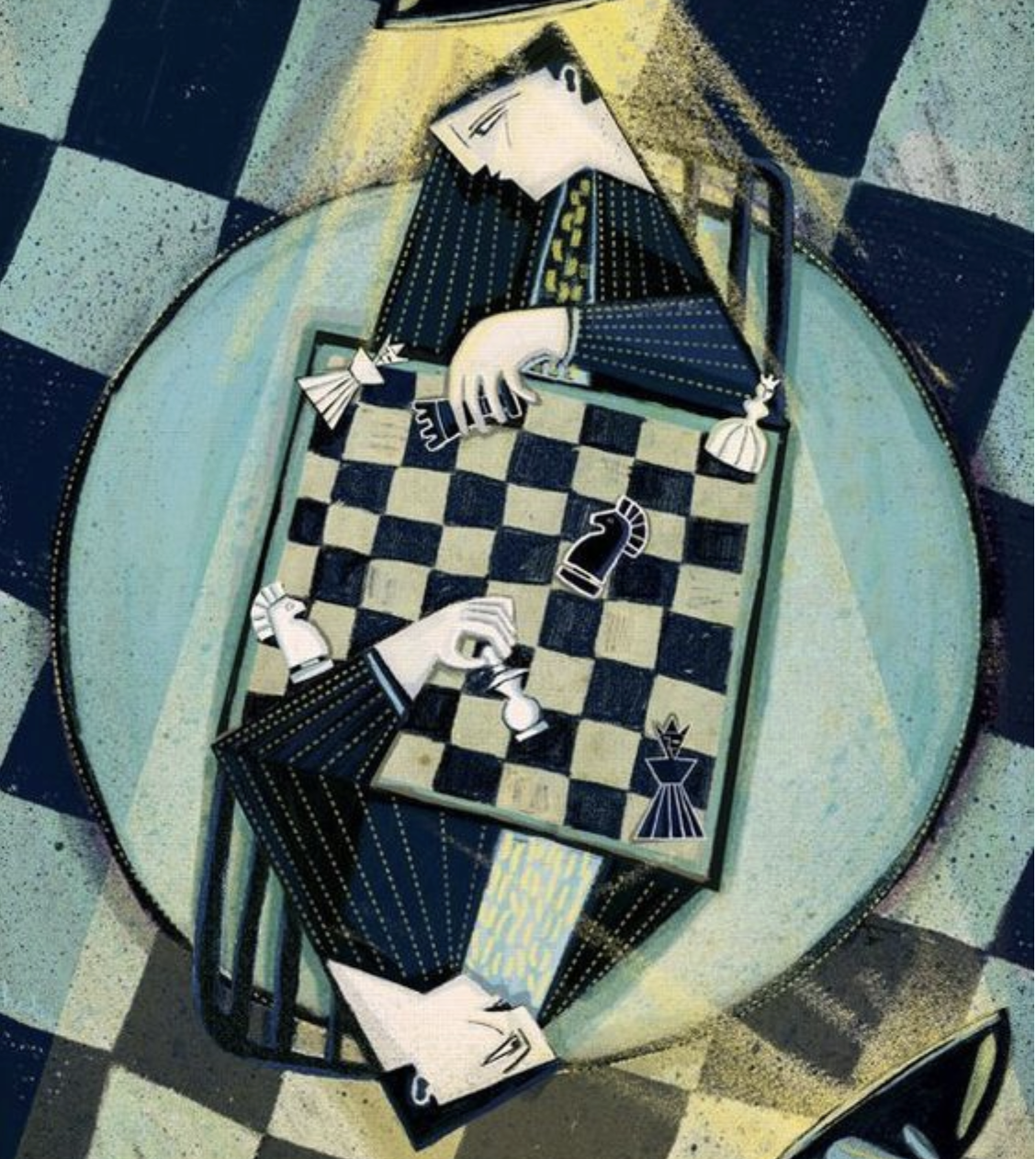
The 64 Squares of Power: Chess and the Soviet Project
Read more: The 64 Squares of Power: Chess and the Soviet ProjectBy – Sahasra Sai Murtineni Abstract This article examines the profound impact of chess on Russian culture and politics, particularly during the Soviet era. It argues that the Soviet Union strategically cultivated chess excellence as a symbol of its intellectual superiority and a tool for projecting its ideological dominance on the world stage. The rise…
-
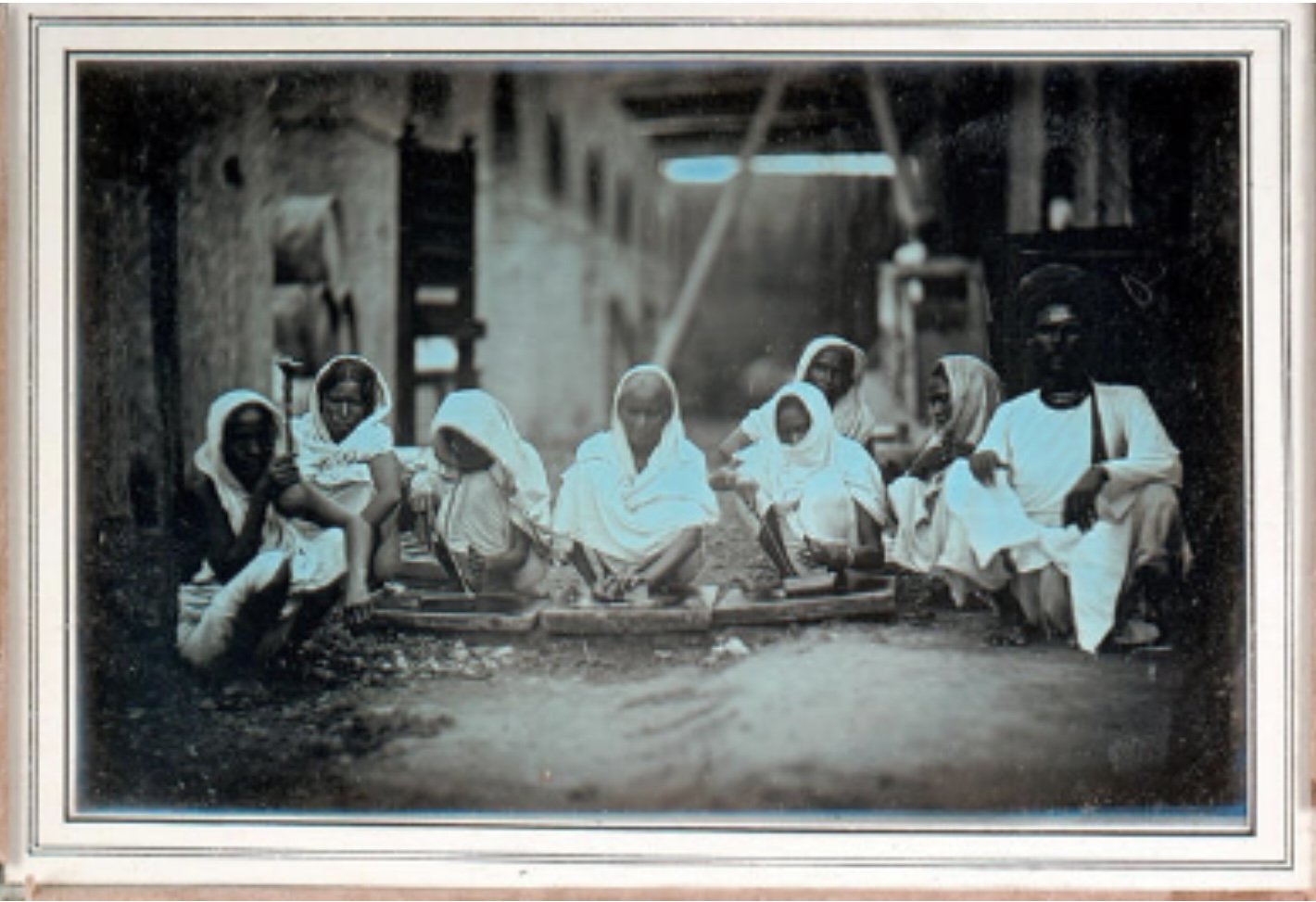
Revisiting Economic History: Gendered Silences in Early-Modern India
Read more: Revisiting Economic History: Gendered Silences in Early-Modern IndiaBy – Tanishka Shah Abstract This paper tries to reconstruct the economic contributions of women in early modern India, centering labour that has long remained peripheral in official accounts and mainstream historiography. It argues that women were indispensable actors in India’s agrarian, artisanal, and proto-industrial economies. From spinning cotton for a thriving textile export industry…

Nickeled & Dimed
Penny for your thoughts?
We are accepting articles on our new email: cnes.ju@gmail.com