-
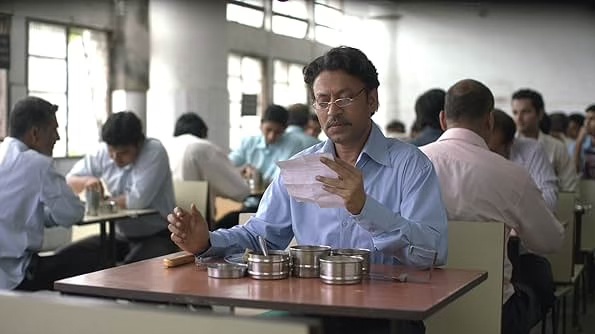
Archiving Emotion in The Lunchbox
Read more: Archiving Emotion in The LunchboxBy — Apoorva Lakshmi Kaipa Abstract In The Lunchbox (2013), a mistake by the dabbawala system in Mumbai sets in motion the lunch deliveries from a young homemaker to a widowed accountant accompanied by a set of handwritten notes. The misdelivery turns into a more intimate attachment and a journey of something deeper. The lunchbox…
-

Economy Of OTTS – Decline of The Golden Indian Television
Read more: Economy Of OTTS – Decline of The Golden Indian TelevisionBy – Poorvanshi Tyagi Abstract The year 2012 brought Over The Top(OTT) platforms to the forefront of India’s Media & Entertainment industry. Though relatively unknown in its formative years, OTT platforms managed to attract millions of Indian users with the onset of the pandemic, growing into a large-scale industry. This article sheds light on the…
-

Choked, Torn and Bleached: The Global Bioeconomies of the Female Body
Read more: Choked, Torn and Bleached: The Global Bioeconomies of the Female BodyBy – Sujal Bamal Abstract A preference that is established on the obsession of molding the female body to soothe the male gaze is a system of control disguised as beauty. Rooted in gendered, economic and cultural power, aesthetic standards emerge at the start of every decade and the female anatomy serves as the canvas…
-

Culture, Capital, Commodity: On Shillong’s Mawphlang Forests and the Dangers of Ecotourism
Read more: Culture, Capital, Commodity: On Shillong’s Mawphlang Forests and the Dangers of EcotourismBy – Poorvanshi Tyagi Abstract The 1996 ecotourism initiatives at the Mawphlang sacred forests brought recognition to the essence of the area, transforming it into a wonder destination for many. A multitude of trip-advisory articles shed light on the systematic structure set in place for the exploration of these sacred groves. It raises a moral…
-

The Price of India’s White Gold
Read more: The Price of India’s White GoldBy – Apoorva Lakshmi Kaipa Abstract This article examines how the industrialisation of dairy has transformed a culturally sacred practice into a system marked by cruelty, pharmaceutical manipulation, and consumer deception. It will explore the intersection of bioeconomics, cultural tradition, and ethical consumption through the lens of India’s dairy industry and the emerging vegan movement.…
-
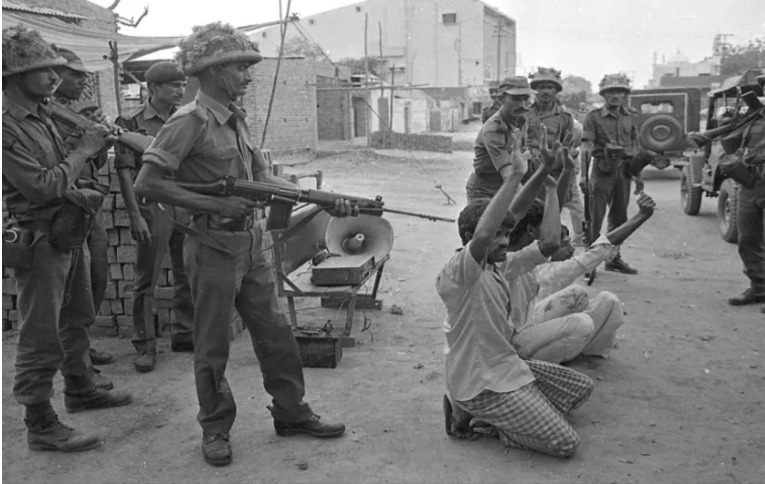
Meerut 1987: Memory, Erasure, & the Silences of Power
Read more: Meerut 1987: Memory, Erasure, & the Silences of PowerThis article examines the 1987 Meerut riots, focusing on the systematic erasure of the massacre through state complicity and narrative manipulation. It explores how communal tensions, political interests, and biased investigations contributed to reframing the violence as a “riot” rather than a state-enabled massacre. By analyzing institutional failures, selective violence, and the withholding of justice,…
-

From Enlightenment To Colonialism: A Look At India’s Lost History
Read more: From Enlightenment To Colonialism: A Look At India’s Lost HistoryBy – Poorvanshi Tyagi Abstract Colonialism in India, among other things, resulted in the loss of Indian knowledge and culture. British imagination of India arose as a product of philosophical developments stirring in Europe during the Enlightenment in the 17th and 18th centuries. With the embarkation of the civilising mission, came knowledge production and modification…
-
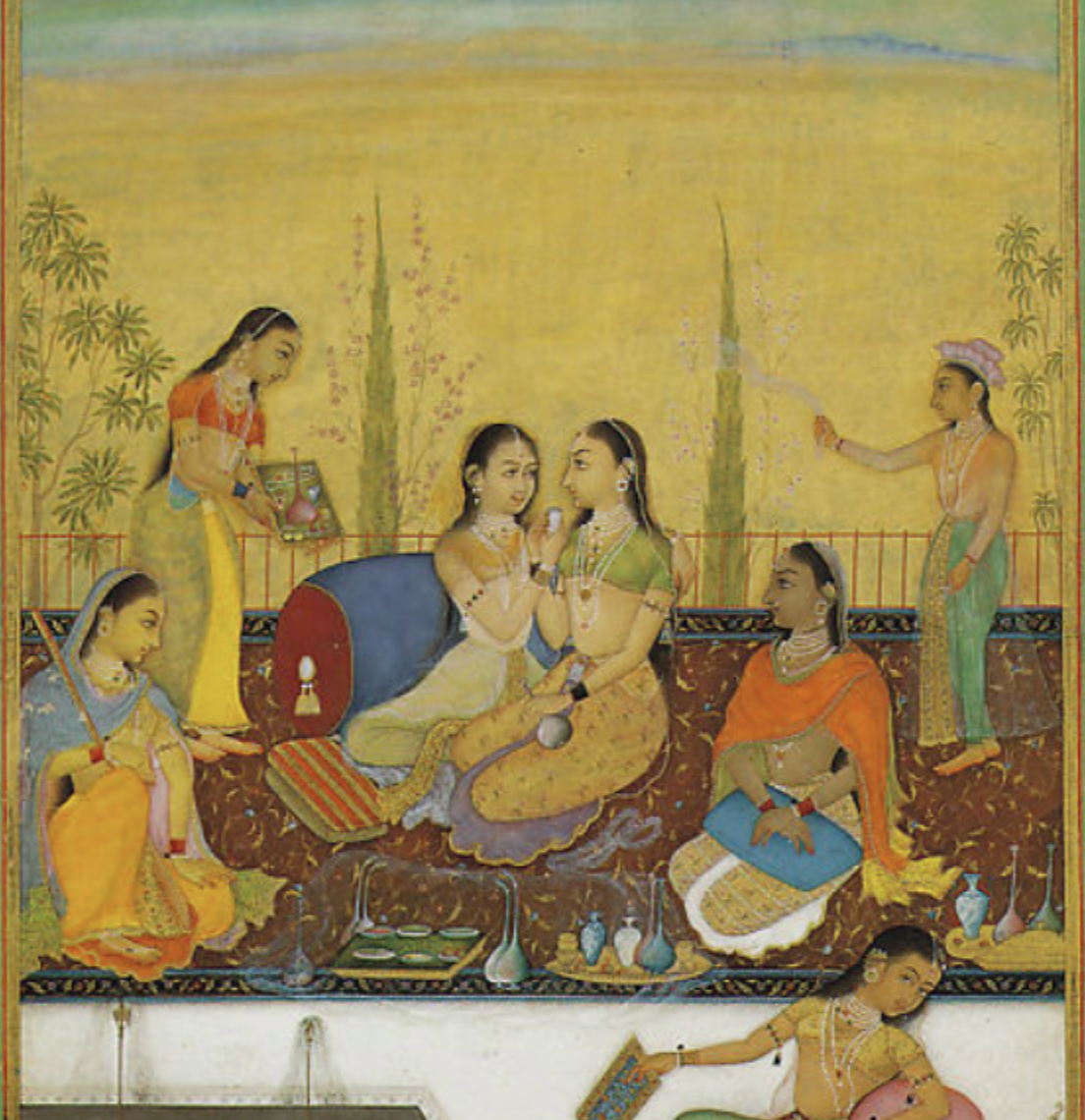
How Queerness Is Authentically Indian
Read more: How Queerness Is Authentically IndianBy – Apoorva Lakshmi Kaipa Abstract This article will explore the vibrant and longstanding presence of LGBTQ+ identities within Indian culture, one that predates colonial influence and religious orthodoxy. This article examines sacred texts and traditional practices that reveal India’s historical acceptance of diverse gender identities and sexualities, while tracing how colonial influence distorted these…
-

The Hidden Trailblazer of Indian Football
Read more: The Hidden Trailblazer of Indian FootballBy – Sujal Bamal Preface For as long as I have known her, she has remained a bright light of joy and exuberance, illuminating everything that she sees and filling people up with hope and peace. Despite her struggles throughout her life, she has said that the driving forces fueling her actions are kindness and…
-
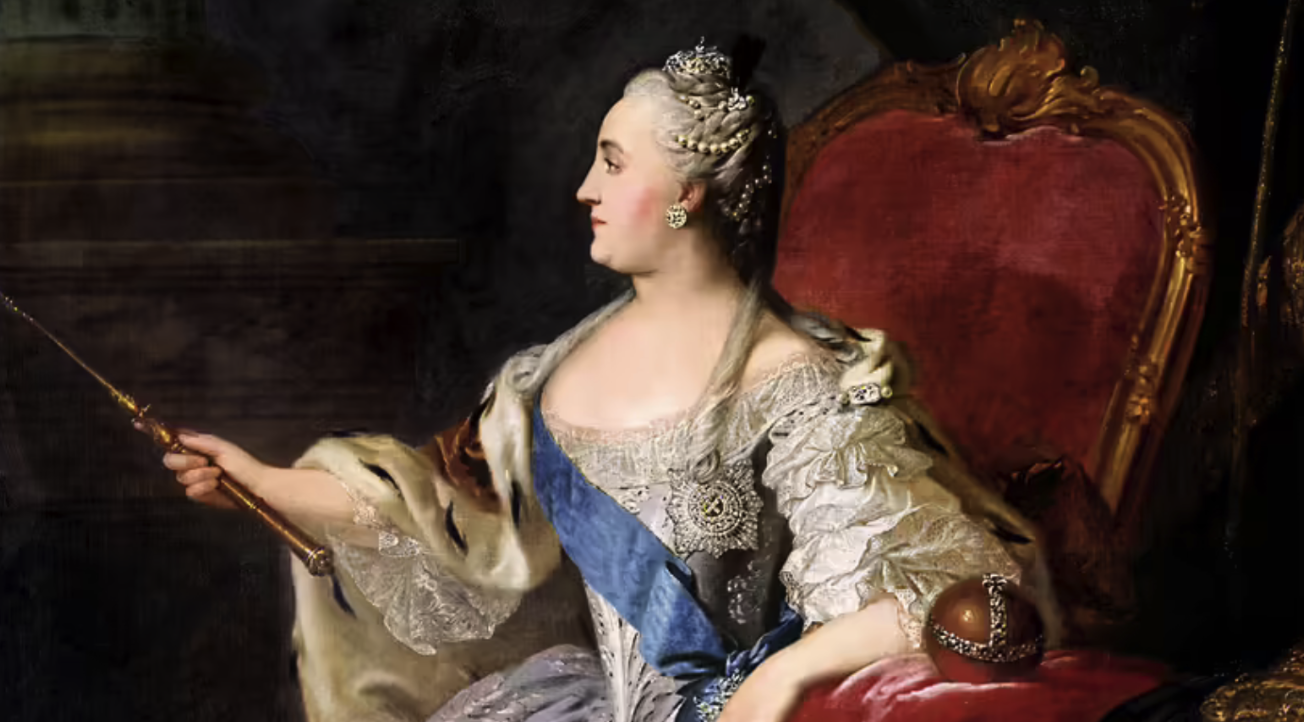
It’s a Woman’s World: Catherine the Great and the Paradox of Rule
Read more: It’s a Woman’s World: Catherine the Great and the Paradox of RuleBy – Aditi Lazarus Abstract Catherine the Great’s reign (1762–1796) was marked by significant political, social, and cultural transformations in Russia. Ascending the throne through a coup, she implemented reforms inspired by Enlightenment ideals, modernized governance, and expanded Russia’s territorial influence. While her rule balanced progressive reforms with political pragmatism, it also reflected the contradictions…
-

Forgotten Voices: Women in World War II
Read more: Forgotten Voices: Women in World War IIBy : Poorvanshi Tyagi Abstract War history for many, has been one of chronologically arranged vertically occurring events. This narrative leads to an erasure of war perspectives of marginalised subaltern racial and gender groups. Women, for instance, shouldered war turmoil alongside men, partaking in war effort in several ways. However, female experiences in war are…
-

The Price of Pink
Read more: The Price of PinkThe “Pink Tax” is a form of gender-based economic discrimination wherein products and services marketed toward women are often priced higher than comparable items for men. This article explores the historical development of gendered marketing, tracing its roots from early consumer culture to modern-day advertising strategies. It examines the emergence of the Pink Tax through…

Nickeled & Dimed
Penny for your thoughts?
We are accepting articles on our new email: cnes.ju@gmail.com