-
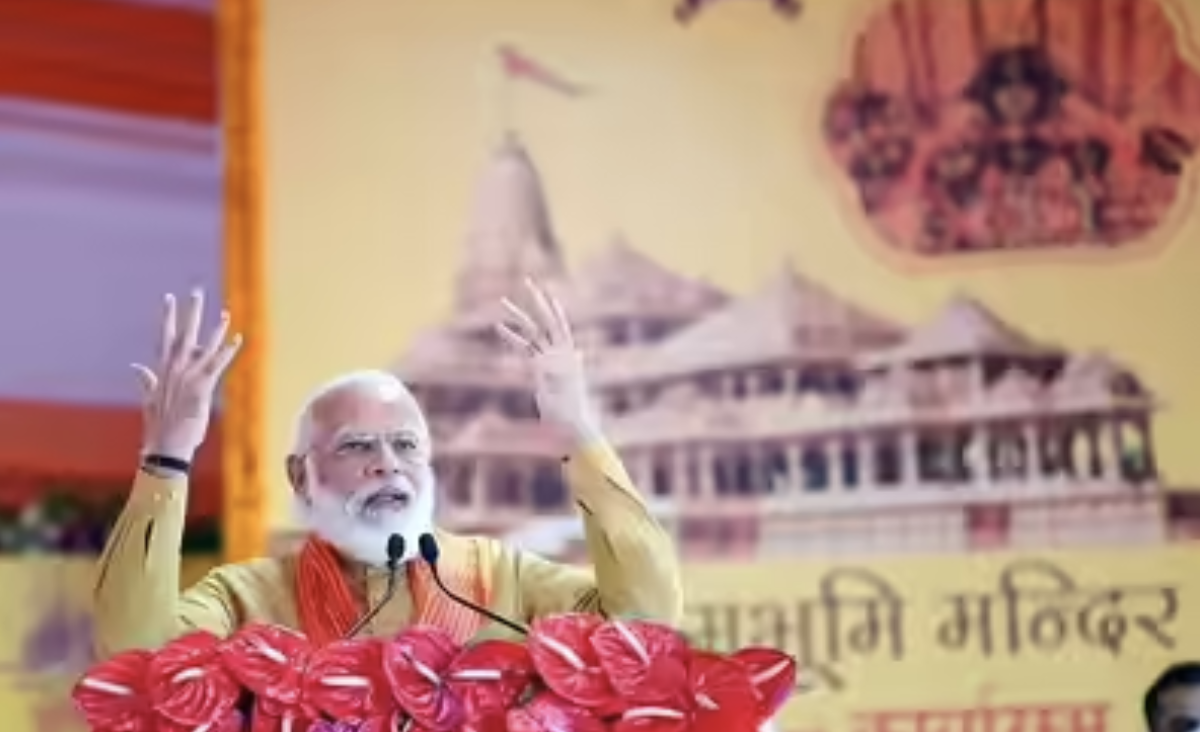
Chanda Chori, Jai Shri Ram: Selling God and the Politics of ‘Revival’
Read more: Chanda Chori, Jai Shri Ram: Selling God and the Politics of ‘Revival’By — Chandril Ray Chaudhuri Abstract This essay provides a critical analysis of the construction of the Ram Mandir in Ayodhya as the largest example of ‘restorative nostalgia’ harnessed to serve political change. Exploring the cultural and political events leading to the temple’s construction, such as the mass circulation of Ramanand Sagar’s televised Ramayan, L.…
-
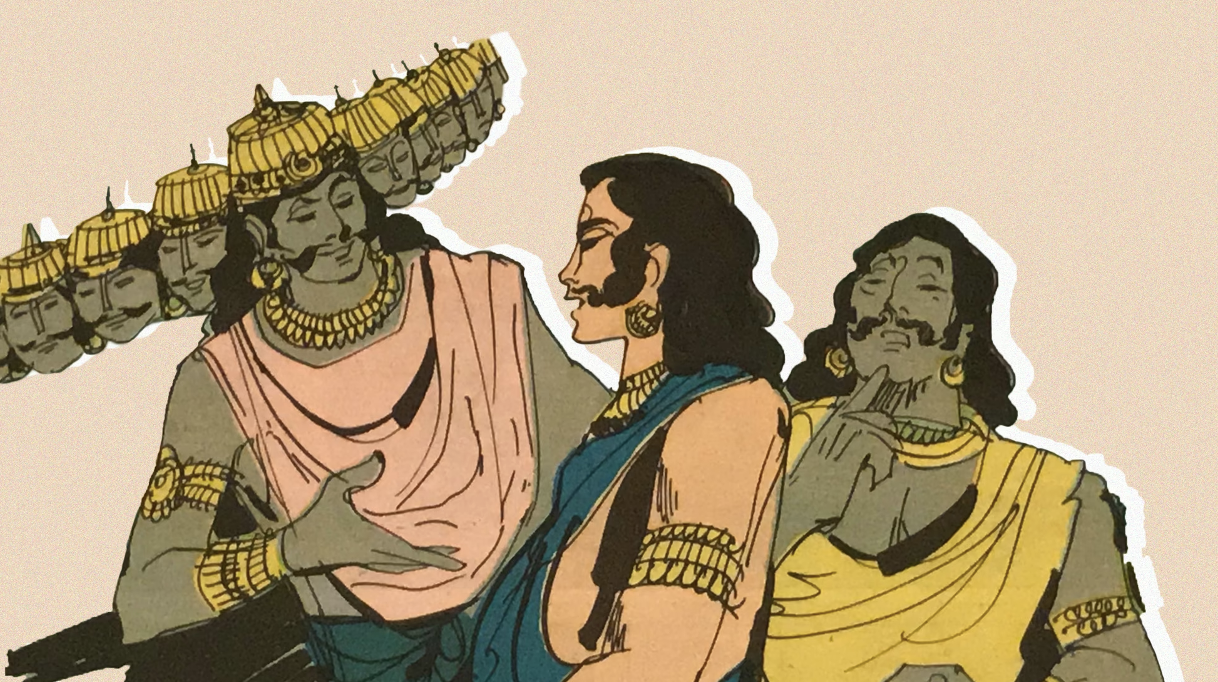
Amar Chitra Katha to Animation: Nation Building and Mythology
Read more: Amar Chitra Katha to Animation: Nation Building and MythologyBy — Chandril Ray Chaudhuri Abstract What allows mythological narratives to persist across centuries, and continue to define notions of the Indian nation? This article proposes that Indian mythology survives, not as a cultural heirloom, but as a pliable political tool, frequently re-configured according to the needs of ever-evolving technological and political environments. From Amar…
-
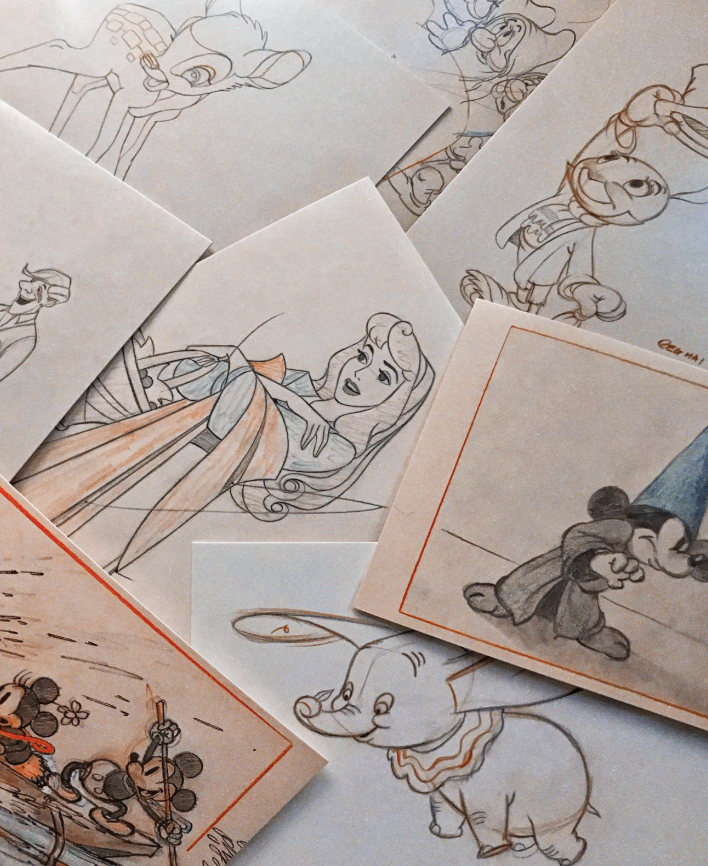
Who Really Draws the Cartoons ? The Global Supply Chain Behind Animations
Read more: Who Really Draws the Cartoons ? The Global Supply Chain Behind AnimationsBy- Prachi Agarwal Abstract Animated films and videos are often affiliated with a single known cartoon production house like Disney, Pixar or a famous Japanese anime house. However, there are many layers which go unrecognized and not adequately credited. Most modern animated content is a cross-border work, done by thousands of workers whose names hardly…
-

The Grain of Memory
Read more: The Grain of MemoryBy — Apoorva Lakshmi Kaipa Abstract This article uses a personal object, a repaired Nikon Coolpix digicam, as a lens to examine the politics of memory and nostalgia. Drawing on research on selective recall and the distinction between restorative and reflective nostalgia, this article argues that personal, imperfect memory is structurally honest in a way…
-

Colonialism on stream
Read more: Colonialism on streamBy – Apoorva Lakshmi Kaipa Abstract This article argues that music streaming platforms like Spotify reproduce the structural logic of colonialism through three mechanisms: extracting cultural labour at comparatively suppressed rates, imposing algorithmically mediated Western-Centric taste standards on global artists and using intellectual property rights to concentrate ownership of that culture in the top corporations…
-

Beyond the ‘Systumm Phaad denge’
Read more: Beyond the ‘Systumm Phaad denge’By — Hansin Kapoor Abstract Haryana is currently witnessing a convergence of local ‘badmashi’ culture and a global digital Manosphere. While local pop stars monetize the outlaw life, the shift reveals a deep systemic cult of hyper-masculinity that often reduces women to instruments of status and control. This article decodes this aggression, where disillusioned youth trade…
-
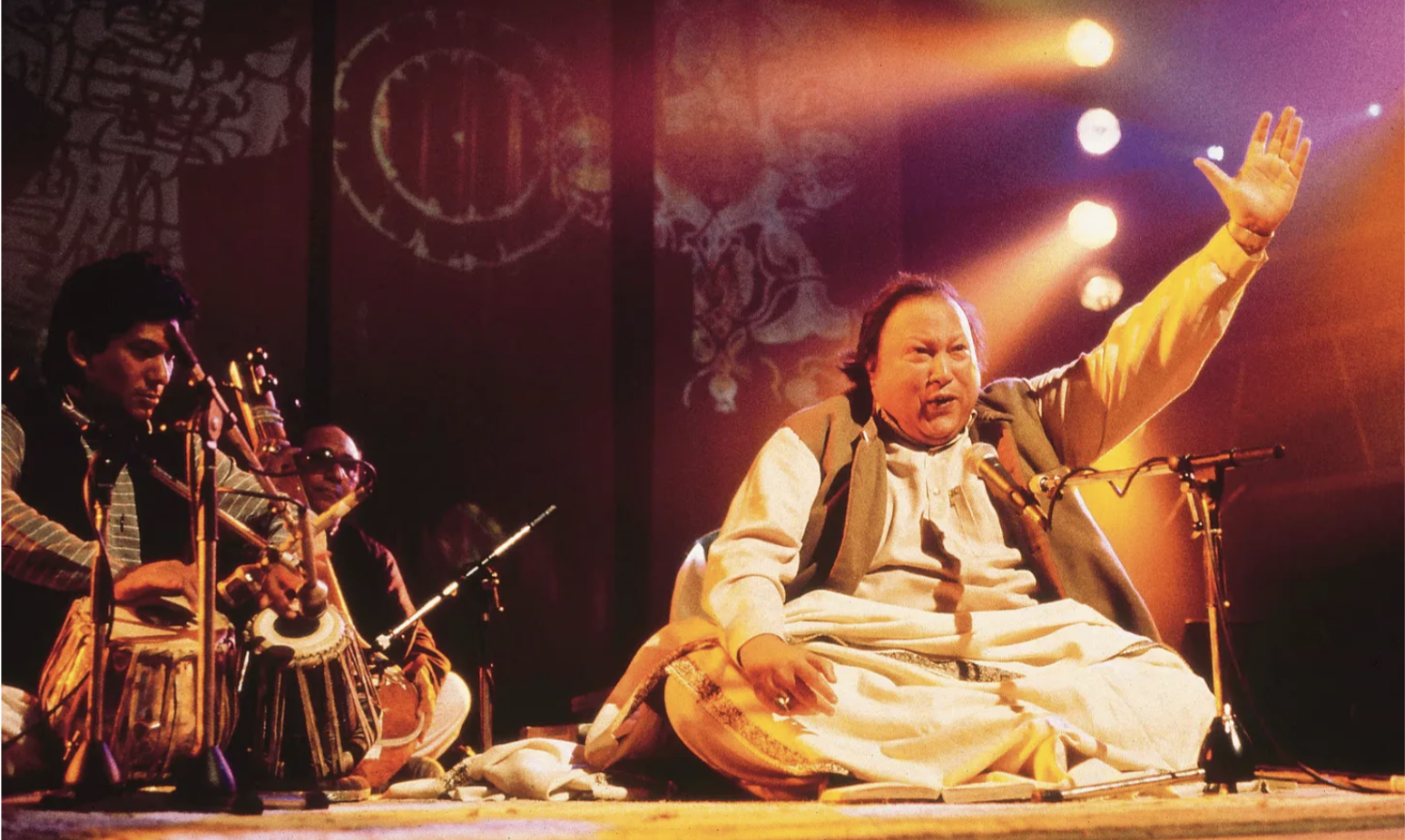
हम देखेंगे: Qawwali and the Politics of Sound in South Asia
Read more: हम देखेंगे: Qawwali and the Politics of Sound in South AsiaBy — Chandril Ray Chaudhuri Abstract Tracing the history of Qawwali, from thirteenth-century Chishti Sufism through the language politics of Amir Khusrau, the resistant poetry of Bulleh Shah and Faiz, the political geography of South Asian shrines, and the commodification driven by globalisation, this article argues that Qawwali has always been a site where power,…
-

Is AI the New Raj?
Read more: Is AI the New Raj?By — Hansin Kapoor Abstract As India integrates Artificial Intelligence into its digital public infrastructure, a critical tension arises between technological efficiency and cultural plurality. This article examines whether AI is acting as an agent of monoculture by streamlining India’s vast linguistic and social diversity into machine-readable formats. By applying the lens of social…
-
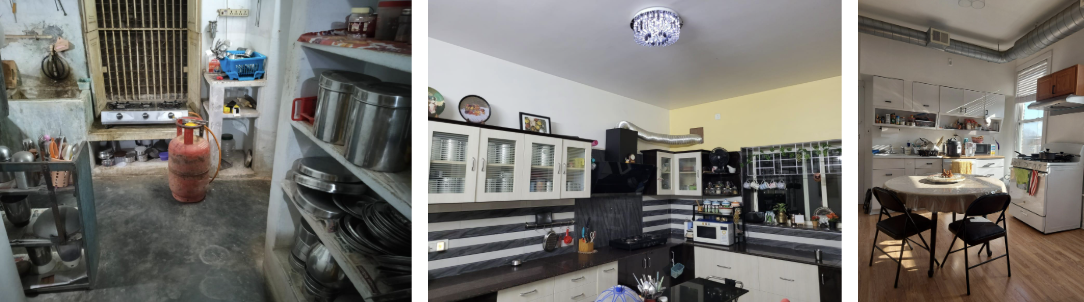
A Recipe for Cultural Transmission Across Time Zones
Read more: A Recipe for Cultural Transmission Across Time ZonesBy – Apoorva Lakshmi Kaipa Abstract In an age of technological disruptions and cultural fragmentation, the post-modernistic households and families learn to work between preservation and adaptation, proximity and distance, tradition and innovation. When my mom is making a specialty dish that she doesn’t normally make she immediately calls my grandma and asks what the…
-

Democracy in Name? An Ambedkarite Analysis
Read more: Democracy in Name? An Ambedkarite AnalysisBy -Chandril Ray Chaudhuri Abstract “Democracy will not work for the simple reason we have got a social structure which is totally incompatible with parliamentary democracy.”-Dr. B.R. Ambedkar Indian democracy is largely treated as a success story based on how elections have been held on time, the people have voted and the constitution has endured…
-

Dissent without Disruption
Read more: Dissent without DisruptionBy — Apoorva Lakshmi Kaipa Abstract Dissent is not a disruption of democracy but is its core value. It supports deliberation, accountability and progress. This article explores why dissent remains essential in today’s world and how it deepens the richness of democratic life. Drawing on historical and modern conditions, it argues that while dissent is…
-

Silk Gloves and Bloodied Hands: The Gentlemen and the Global Underbelly of Aristocratic Crime
Read more: Silk Gloves and Bloodied Hands: The Gentlemen and the Global Underbelly of Aristocratic CrimeBy — Hansin Kapoor Abstract This review offers an interdisciplinary critique of The Gentlemen, examining criminality as an inherited legacy and economic necessity within globalised crime economies. By foregrounding the victim – offender overlap, the series disrupts binary crime narratives and exposes the convergence of legality, privilege, and deviance. Through comparative socio-legal parallels with Bollywood…

Nickeled & Dimed
Penny for your thoughts?
We are accepting articles on our new email: cnes.ju@gmail.com