-

When the Feed Becomes the Broker: India’s Securities Law and the Algorithmically Amplified Finfluencer
Read more: When the Feed Becomes the Broker: India’s Securities Law and the Algorithmically Amplified FinfluencerBy — Raewa Bharat Parab Abstract The algorithm does not provide financial advice; it determines who hears it and how often they should hear it to get convinced. This is a distinct mode through which frauds are also occurring. India’s securities law have been trying to catch up to the era of finfluencers and this…
-

Conflict Of Laws: The Test For Resolving PMLA vs SARFAESI Claims
Read more: Conflict Of Laws: The Test For Resolving PMLA vs SARFAESI ClaimsBy — Vridhi Parakh Abstract The intersection of the Prevention of Money Laundering Act, 2002 (PMLA) and the Securitisation and Reconstruction of Financial Assets and Enforcement of Security Interest Act, 2002 (SARFAESI) presents a difficult question: when the Enforcement Directorate (ED) provisionally attaches mortgaged property allegedly constituting proceeds of crime, can a bona fide secured creditor nevertheless enforce its…
-

The Legal Limits of Debanking: Should Access to Banking Be a Legal Right?
Read more: The Legal Limits of Debanking: Should Access to Banking Be a Legal Right?By – Dhuha Mir Abstract There has been an increasing digitisation of India’s financial ecosystem which has resulted in the access to banking from a commercial convenience into a requirement for meaningful economic participation. At the same time banks are required to adopt strict customer due diligence and risk management measures which result in growing…
-

The Authorisation Problem: Should Banks Face Greater Liability for UPI Fraud in India?
Read more: The Authorisation Problem: Should Banks Face Greater Liability for UPI Fraud in India?By — Prisha Gakhar Abstract Digital banking has gained quick traction in India due to the development of technologies like internet banking, mobile banking and Unified Payments Interface (UPI), making financial transactions faster, more comfortable and increasingly ingrained in everyday life. The RBI statistics presented to the Ministry of Finance in the Lok Sabha session…
-

Beyond Insolvency: Rethinking the IBC’s Exclusion of Financial Service Providers Through the Yes Bank Fraud Case
Read more: Beyond Insolvency: Rethinking the IBC’s Exclusion of Financial Service Providers Through the Yes Bank Fraud CaseBy — Shreya Vakkaleri Abstract Ten years after the enactment of India’s Insolvency and Bankruptcy Code (“IBC” or “the Code”), the exclusion of banks and financial service providers (FSPs) under Section 227 from the ordinary corporate insolvency framework continues to remain a gaping hole in the legislation. The 2020 collapse of Yes Bank highlights this flaw, it demonstrates how India has…
-
Beyond the Blanket: Reconstructing the Scope of Section 14 in Real Estate Insolvency
Read more: Beyond the Blanket: Reconstructing the Scope of Section 14 in Real Estate InsolvencyBy – Divyaansh Kharbanda Abstract When Section 14 of the IBC declares a moratorium, it does so in blanket terms. Suits are stayed, security interests are frozen, and property in the possession of the corporate debtor cannot be recovered. The provision, in other words, treats the corporate debtor as one undivided entity. This, however, works…
-
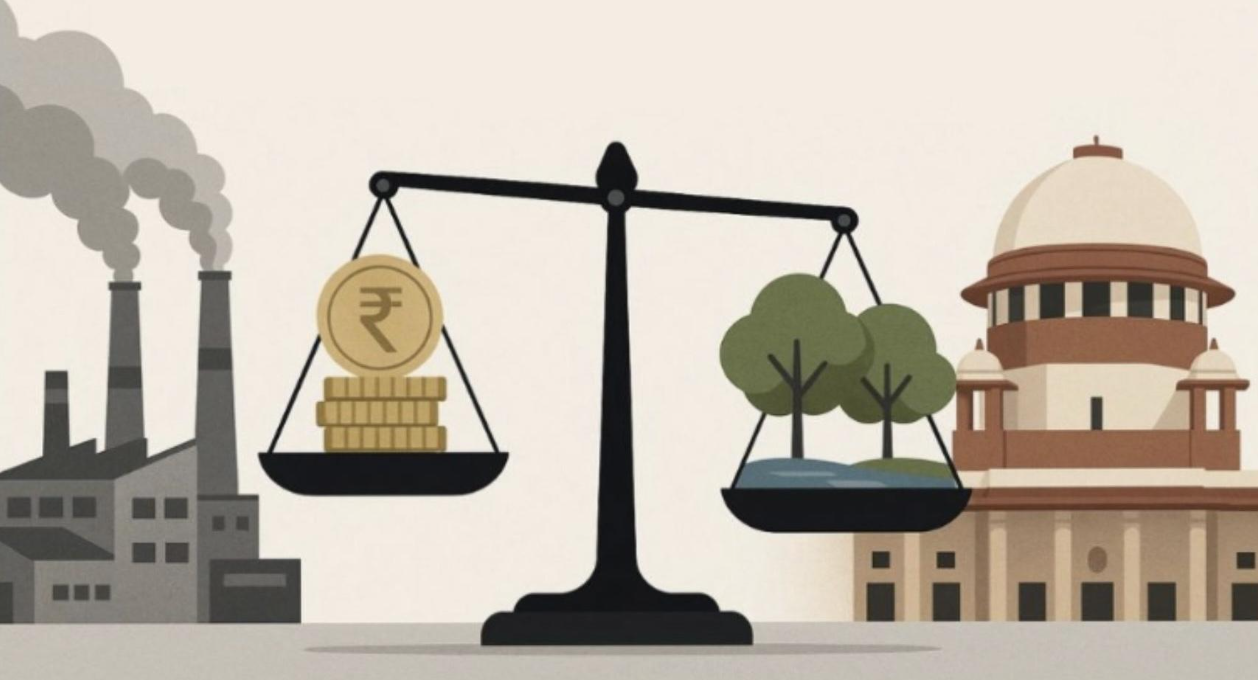
Does the Polluter Learn? The Price of Pollution: Why India’s Polluter Pays Principle Punishes but Rarely Prevents
Read more: Does the Polluter Learn? The Price of Pollution: Why India’s Polluter Pays Principle Punishes but Rarely PreventsBy – Vridhi Parakh “If anyone intentionally spoils the water of another, let him not only pay damages but purify the stream or cistern which contains the water.” – Plato Abstract Environmental damage in India rarely announces its arrival in a single dramatic event. It builds slowly over…
-

From Environmental Protection to Climate Justice: An Ecofeminist Perspective on Indian Environmental Law
Read more: From Environmental Protection to Climate Justice: An Ecofeminist Perspective on Indian Environmental LawBy – Prisha Gakhar Abstract The gender-climate change nexus has become an increasingly popular talking point in environmental justice debates, but the theoretical tenets of ecofeminism continue to be poorly understood in popular discourse. This article explores ecofeminism as an approach to thinking about climate justice from the standpoint of contemporary environmental law. The recent…
-

The Hidden Environmental Cost of India’s AI Revolution
Read more: The Hidden Environmental Cost of India’s AI RevolutionBy — Dhuha Abstract India is emerging as a global hub for artificial intelligence which has resulted in investments in data centres. However, this has brought attention to the environmental cost of this development. Even though AI is a symbol of economic growth and technological advancement, the data centres in order to function require huge amounts of…
-
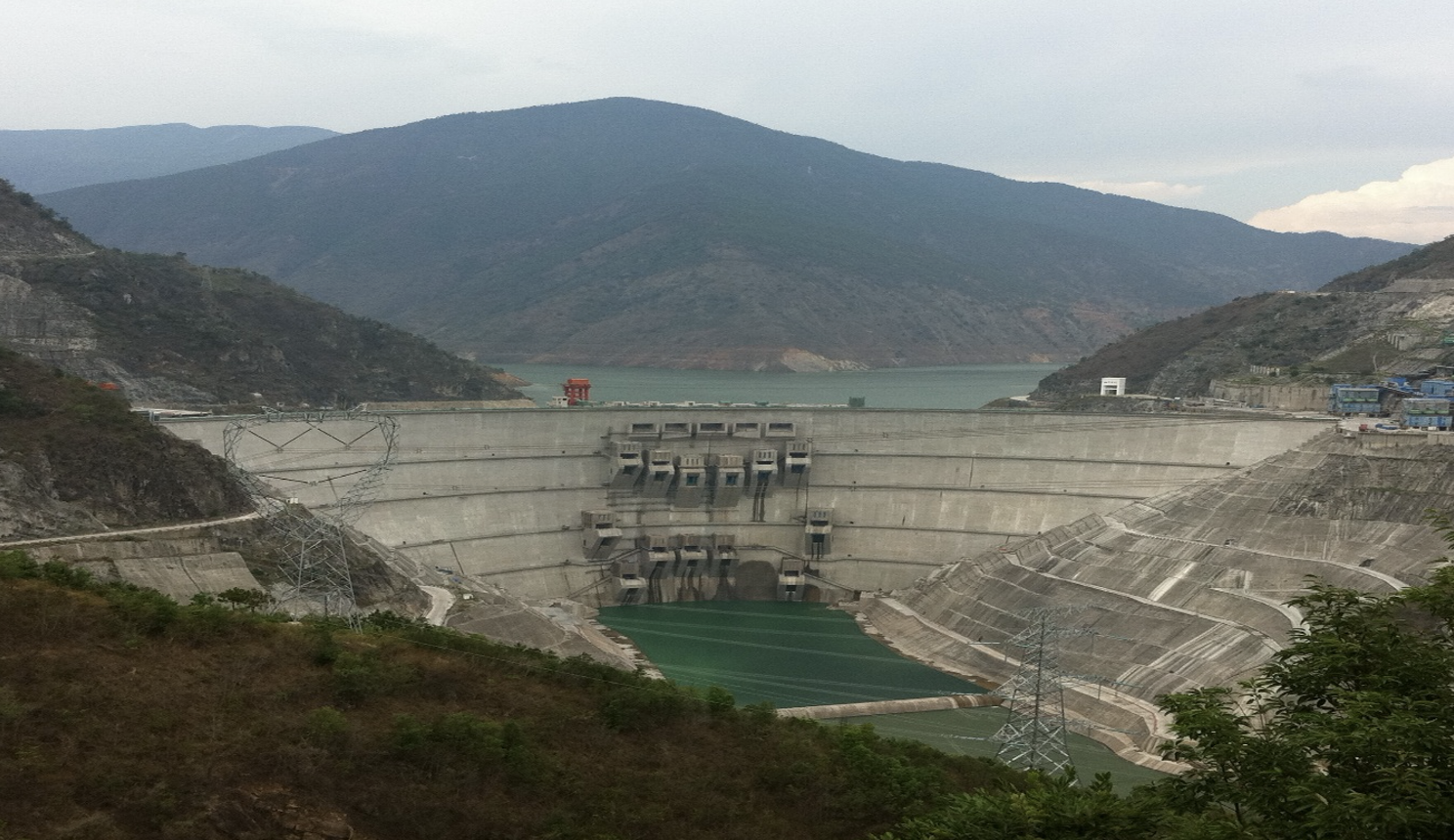
The Rigidity Problem in River-Sharing Law
Read more: The Rigidity Problem in River-Sharing LawBy — Shreya Vakkaleri Abstract Transboundary and interstate river-sharing agreements governing the Indus, Cauvery and Mekong Rivers have traditionally relied on formulae built around fixed volumes, percentages or minimum-flow thresholds set against a historical hydrological baseline. However, the impact of climate change has led to erratic flows, specifically in the Mekong Delta and Cauvery Basin,…
-
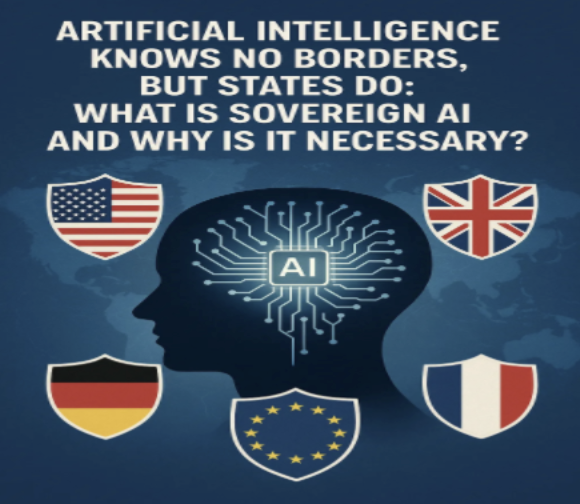
Rethinking AI’s Jurisdiction In a Borderless World
Read more: Rethinking AI’s Jurisdiction In a Borderless WorldBy – Raewa Bharat Parab Abstract Sovereignty, traditionally defined by borders and boundaries of a state, is being disrupted in the present age due to significant use of AI, which predates any conception of an actor that is simultaneously present across every national boundary. This article explores the doctrine of territoriality and whether such a concept, defined years ago, is…
-
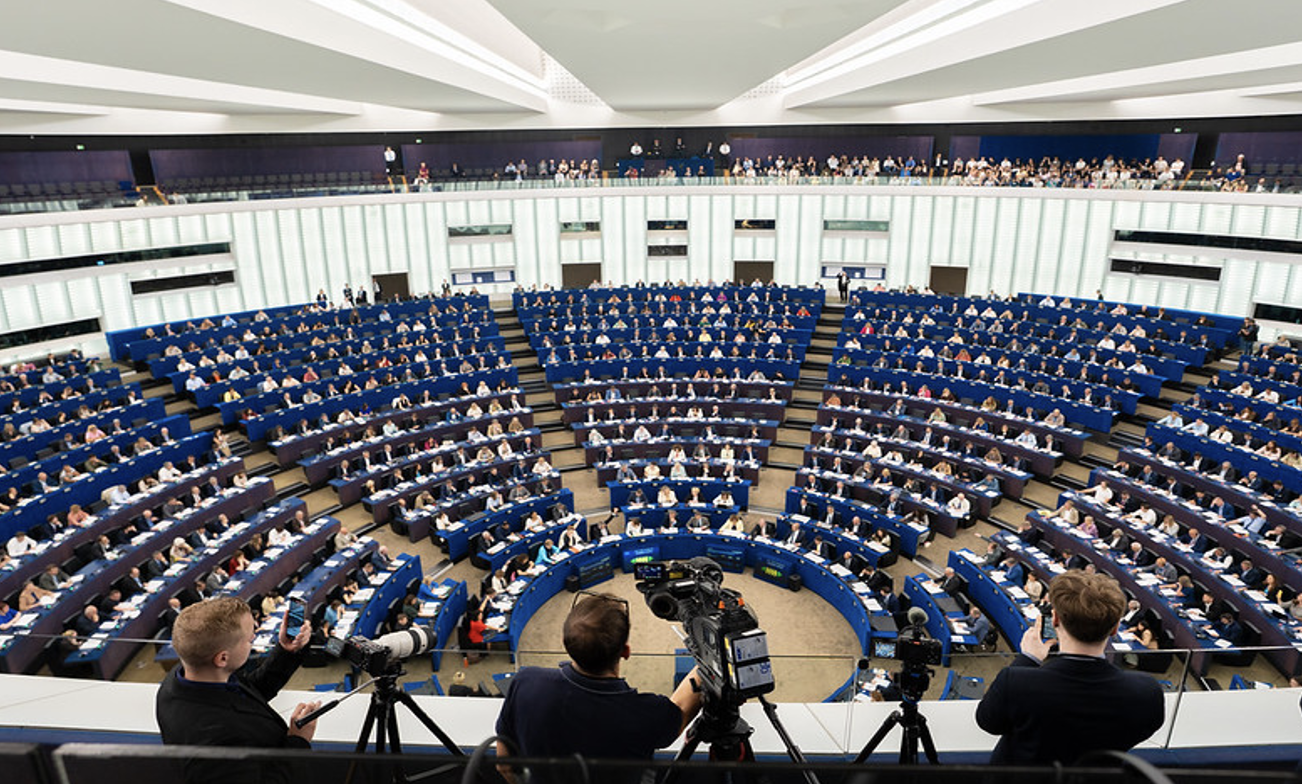
Redefining Director Liability in AI driven Board Decisions under the EU AI Act 2024
Read more: Redefining Director Liability in AI driven Board Decisions under the EU AI Act 2024By – Ananyaa Verma Abstract AI integration in corporate decision making is a widespread contemporary phenomenon. However, out of the integration emerge an unprecedented set of challenges regarding fiduciary responsibility and liability. This article examines the European Union AI Act 2024 which reshaped the legal obligations of directors by imposing enhanced standards of transparency, and…

Nickeled & Dimed
Penny for your thoughts?
We are accepting articles on our new email: cnes.ju@gmail.com