-

The Entanglement Trap: Adversarial AI Systems in Autonomous Escalation, and the Stability Deficit of 21st Century
Read more: The Entanglement Trap: Adversarial AI Systems in Autonomous Escalation, and the Stability Deficit of 21st CenturyBy – Hargun Singh Tuteja Abstract This article examines the structural inadequacy of existing arms control frameworks in regulating artificial intelligence enabled military systems, with a particular focus on the phenomenon of adversarial AI interaction, a condition in which autonomous systems deployed by opposing states begin reacting to one another at machine speed, beyond the…
-
The Treaty We Don’t Have: AI Weapons and the Failure of Arms Control
Read more: The Treaty We Don’t Have: AI Weapons and the Failure of Arms ControlBy -Madhav Pransukhka Abstract Most arms control agreements of the last hundred years share a hidden assumption. They assume a dangerous weapon is something you can find. Nuclear warheads can be counted. A uranium enrichment plant can be inspected. A chemical agent can be sampled and confirmed. Treaties like the Non-Proliferation Treaty and the Chemical…
-

THE OTHER BOMB: WHY AI WARFARE MIGHT BE THE EXISTENTIAL THREAT THE WORLD IS NOT TAKING SERIOUSLY
Read more: THE OTHER BOMB: WHY AI WARFARE MIGHT BE THE EXISTENTIAL THREAT THE WORLD IS NOT TAKING SERIOUSLYBy — Mansi Khetan Abstract While the world’s attention remains fixed on the threat of nuclear conflict, a quieter but equally consequential transformation in warfare is already underway. This article examines the growing use of artificial intelligence in military operations, the failure of international law to keep pace with technological developments, and recent evidence suggesting…
-
The First AI War: Technology, Lethality and Accountability in the 2026 Iran Conflict
Read more: The First AI War: Technology, Lethality and Accountability in the 2026 Iran ConflictBy – Rianne Michael Abstract This articles examines the role of AI in current conflicts, with an emphasis on the 2026 Iran War, which has been regarded as the “First AI War”. The paper analyses the Maven Smart System that was developed by Palantir, exploring how AI handles the traditional kill chain, provides information within…
-
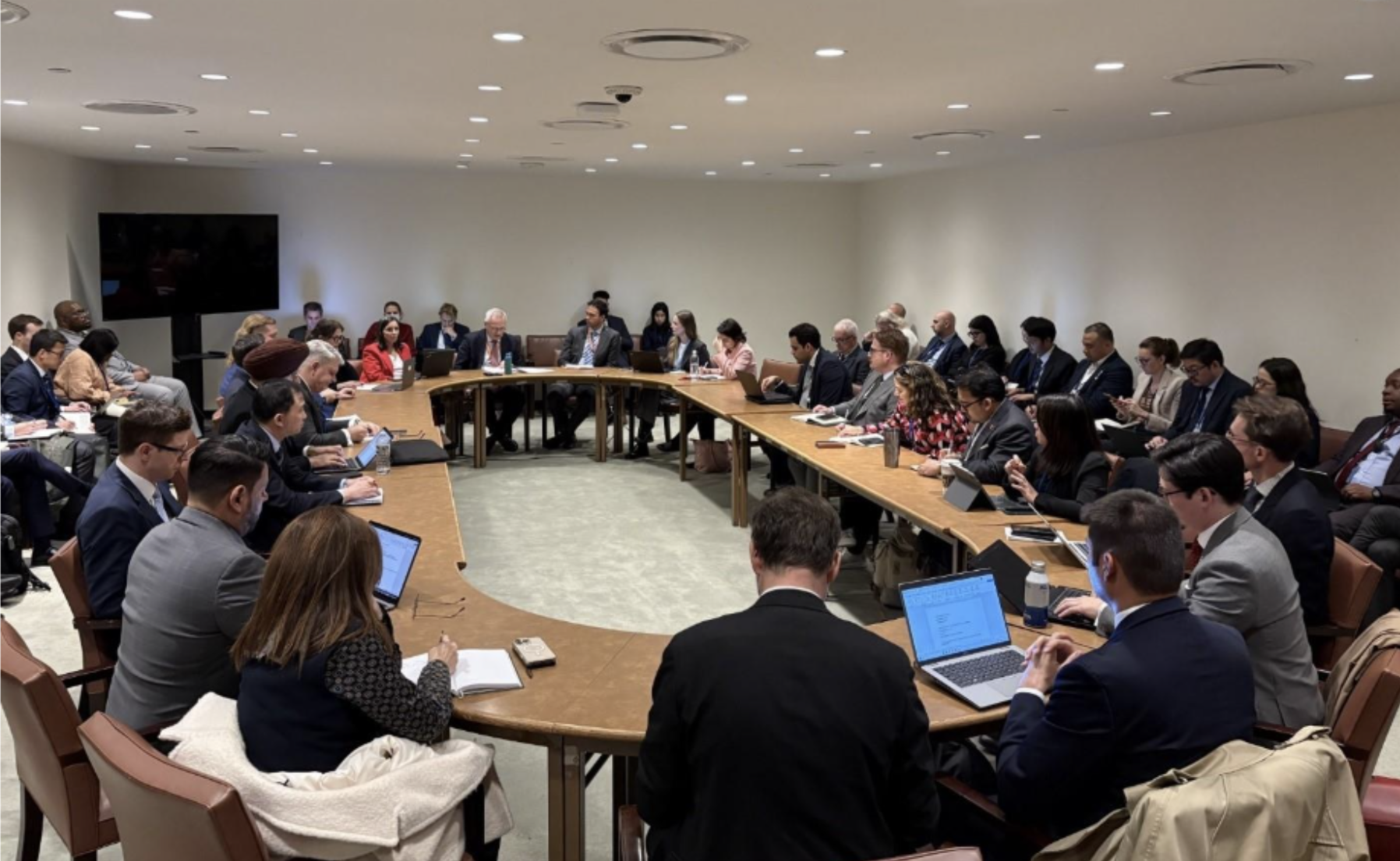
How Consensus Precludes the CCW from Regulating Lethal Autonomous Weapons Systems
Read more: How Consensus Precludes the CCW from Regulating Lethal Autonomous Weapons SystemsBy — Saahil Ayyaril Ali Abstract This article observes how the procedural anomalies of the Convention on Certain Conventional Weapons (CCW) have triggered decade-long delays in negotiations, resulting in the absence of a binding legal framework which regulates the use of Lethal Autonomous Weapons Systems (LAWS). This article argues that diplomatic understanding and mutual agreements…
-

‘THE AGE OF AUTONOMY’, WHAT THE $142 BILLION US-SAUDI ARMS DEAL REVEALS ABOUT THE FUTURE OF AI WARFARE
Read more: ‘THE AGE OF AUTONOMY’, WHAT THE $142 BILLION US-SAUDI ARMS DEAL REVEALS ABOUT THE FUTURE OF AI WARFAREBy — Amartya Saldanha Abstract When Donald Trump and Mohammed bin Salman shook hands on a $142 billion deal, top AI CEOs were standing right beside them. Their presence drove widespread curiosity. Drones, missile systems, and AI chips were quietly bundled into the same transaction, blurring the lines between hardware and intelligence. But what happens when weapons…
-

The Jurisdiction of the Mind: Beyond the Westphalian Monopoly on International Law
Read more: The Jurisdiction of the Mind: Beyond the Westphalian Monopoly on International LawAbstract The 21st century is witnessing a shift toward a multipolar world, with several nations having similar power. While the contemporary international order has been frequently presented as a secular and universal framework that maintains order among a diverse community of nations, this multipolar world questions the foundational assumption. This article argues that Epistemic Colonialism…
-
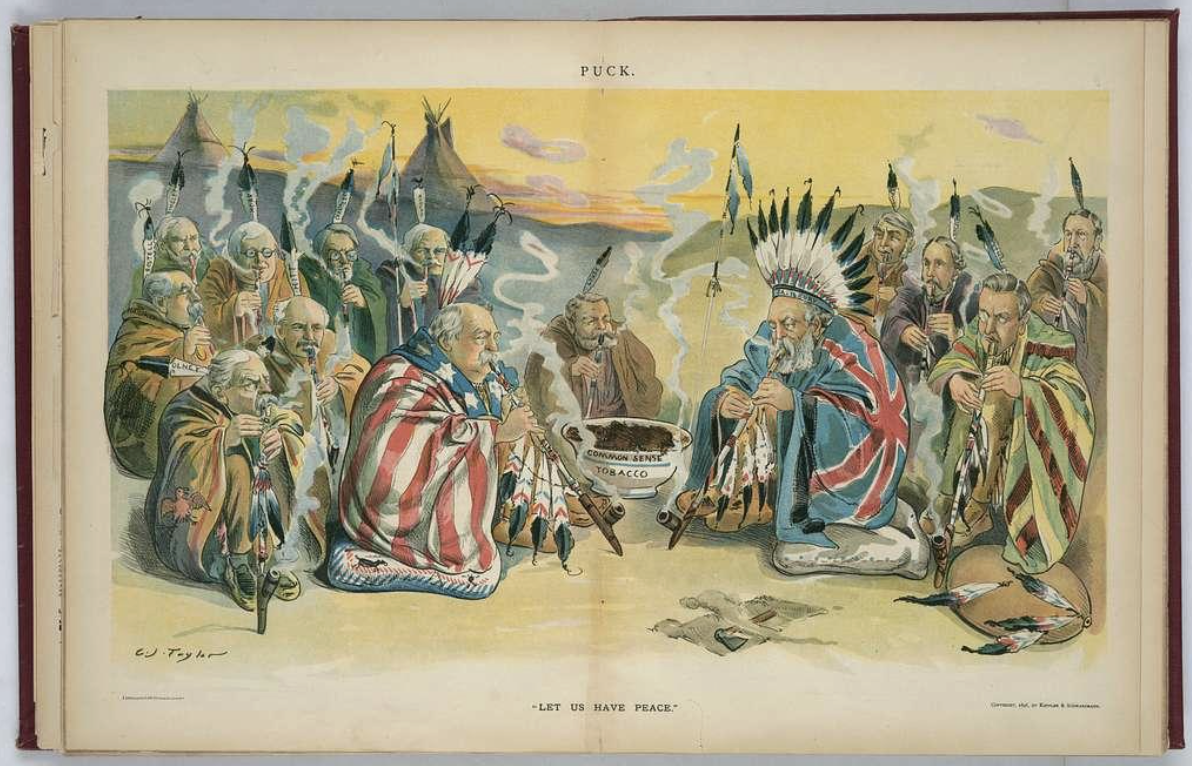
Reimagining International Law: Beyond Eurocentric Legitimacy
Read more: Reimagining International Law: Beyond Eurocentric LegitimacyBy – Mansi Khetan Abstract International law claims universal legitimacy yet remains structurally anchored in Western epistemological traditions, embedding colonial hierarchies within its foundational doctrines of sovereignty, positivism, and source hierarchy. Drawing on TWAIL scholarship, this article exposes how Indian philosophical traditions, centred on dharma, relational justice, and pluralism, offer substantive yet systematically marginalised alternatives…
-

Externalization is a Cynical Subversion of Qui Facit Per Alium
Read more: Externalization is a Cynical Subversion of Qui Facit Per AliumBy — Hansin Kapoor Abstract In the 17th century, Westphalia defined the border as a physical wall. In the 21st century, Neocolonialism defines it as a wire transfer. This article investigates “Jurisdictional Laundering”, the strategic decoupling of sovereign power fromlegal liability. By synthesising Third World Approaches to International Law (TWAIL) with Sovereignty Rentierism, the article highlights a regime in which the Global North treats…
-

Plastic, Poison and Poverty
Read more: Plastic, Poison and PovertyBy — Shreya Parameshwaran Abstract The Global South has been unduly affected by exported plastic pollution. Saving the Global South from the adverse health impacts of plastic pollution such as cancer and respiratory diseases would also save the Global South’s financially and nutritionally important fisheries as well as breaking the cycle of poverty caused by…
-

Warships in the Water: How the Strait of Hormuz Became One of the Most Militarised Trade Corridors
Read more: Warships in the Water: How the Strait of Hormuz Became One of the Most Militarised Trade CorridorsBy – Chandril Ray Chaudhuri Abstract This article examines the evolution and development of the Strait of Hormuz as one of the most militarised global trade routes. It argues that global energy transport through the Strait of Hormuz is not secure by market forces alone, but through permanent military presence and ongoing geopolitical competition. The…
-
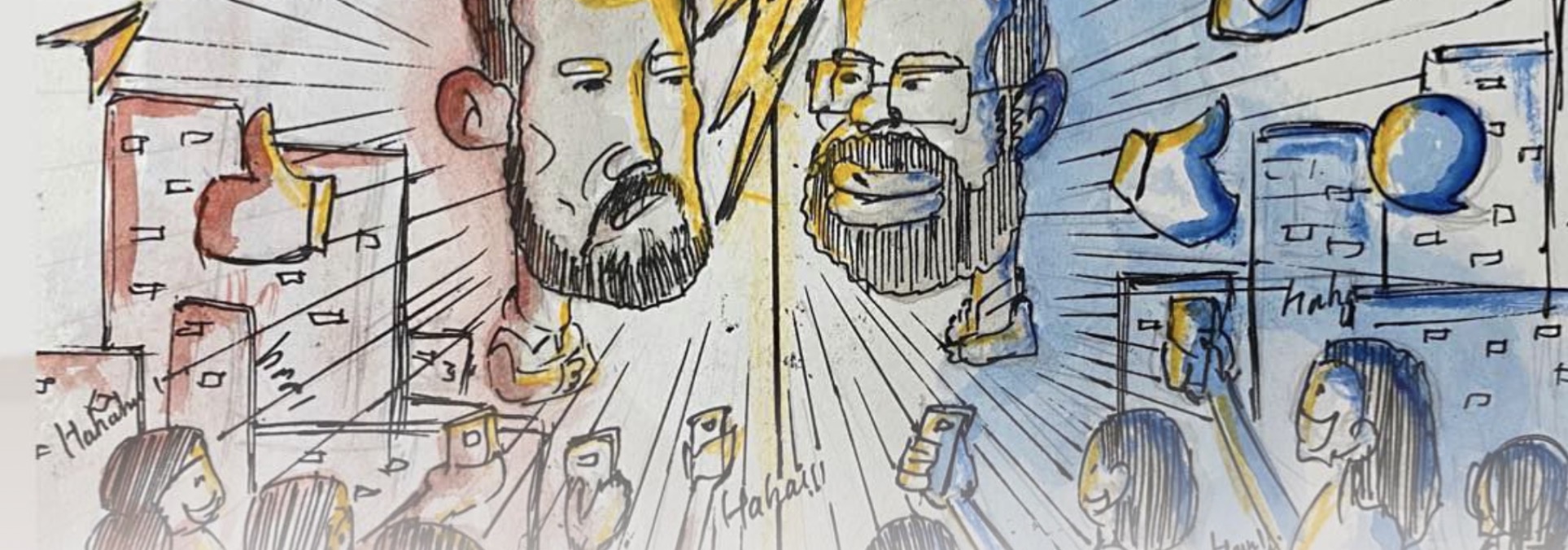
Humour as Power: Memes, Accountability, and the New Frontier of Political Influence
Read more: Humour as Power: Memes, Accountability, and the New Frontier of Political InfluenceBy — Shreya Maheshwari Abstract Memes often evade legal scrutiny because they are easily dismissed as jokes. However, it is often overlooked that, with the rise of social media platforms, memes have emerged as strategic tools for political communication due to their viral nature. The article argues that, unlike straightforward assertions, memes allow state actors…

Nickeled & Dimed
Penny for your thoughts?
We are accepting articles on our new email: cnes.ju@gmail.com