-

Silk Gloves and Bloodied Hands: The Gentlemen and the Global Underbelly of Aristocratic Crime
Read more: Silk Gloves and Bloodied Hands: The Gentlemen and the Global Underbelly of Aristocratic CrimeBy — Hansin Kapoor Abstract This review offers an interdisciplinary critique of The Gentlemen, examining criminality as an inherited legacy and economic necessity within globalised crime economies. By foregrounding the victim – offender overlap, the series disrupts binary crime narratives and exposes the convergence of legality, privilege, and deviance. Through comparative socio-legal parallels with Bollywood…
-
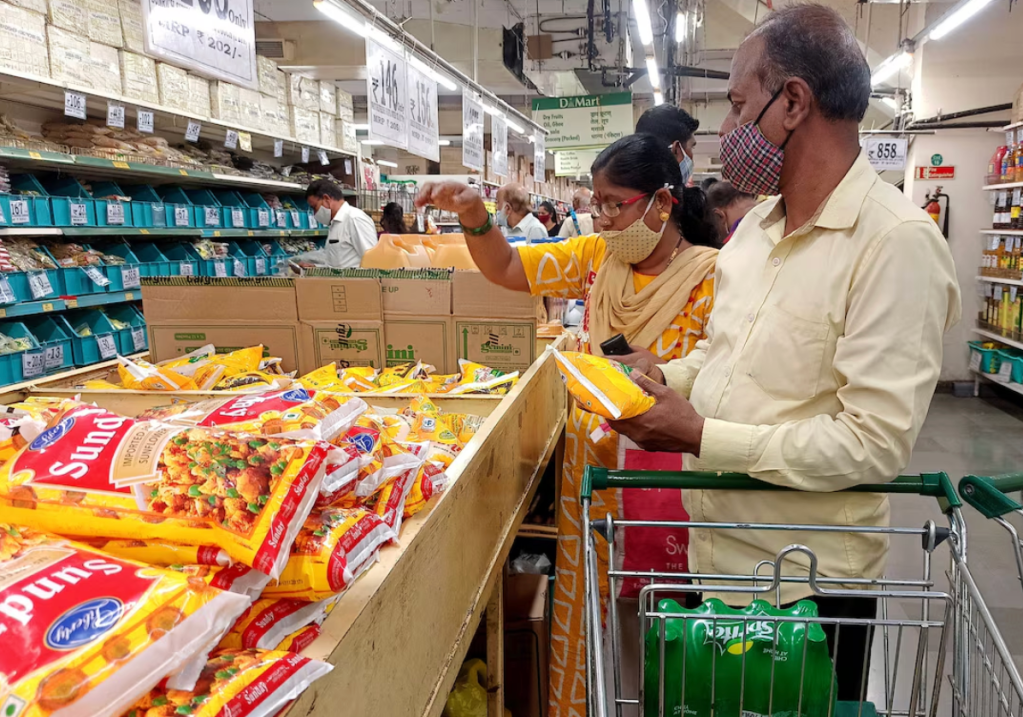
Price vs Policy: Why Recent GST Cuts Have Not Fully Lowered Consumer Prices in India
Read more: Price vs Policy: Why Recent GST Cuts Have Not Fully Lowered Consumer Prices in IndiaBy – Dhruvi Solanki Abstract India’s recent Goods and Services Tax (GST) rationalisation was expected to provide relief to consumers by lowering prices and easing inflation. However, despite reductions in GST rates across several categories, retail prices have largely remained unchanged. This article examines why GST cuts have not translated into visible price reductions. It…
-
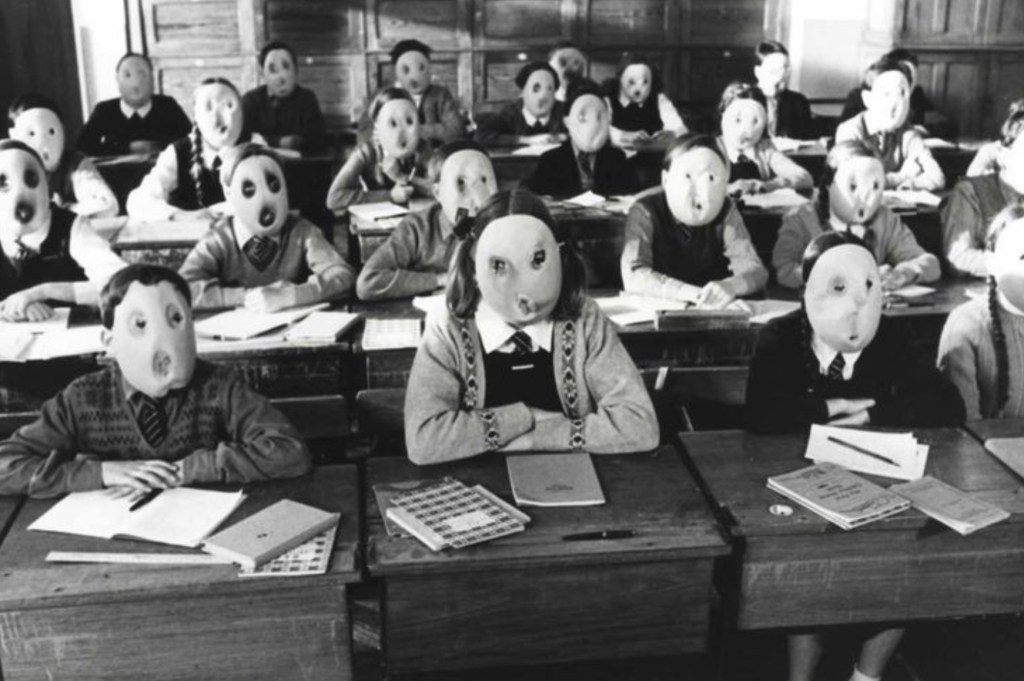
Learning, Unlearning & Re-learning : On Democracy and Education In India
Read more: Learning, Unlearning & Re-learning : On Democracy and Education In IndiaBy — Poorvanshi Tyagi Abstract Education and democracy go hand in hand when it comes to human emancipation and development. A major chunk of studies suggests positive correlation of liberal democracies with higher literacy and education statistics. How do education and democracy work in the Indian context? Does the Indian education system leave any space…
-
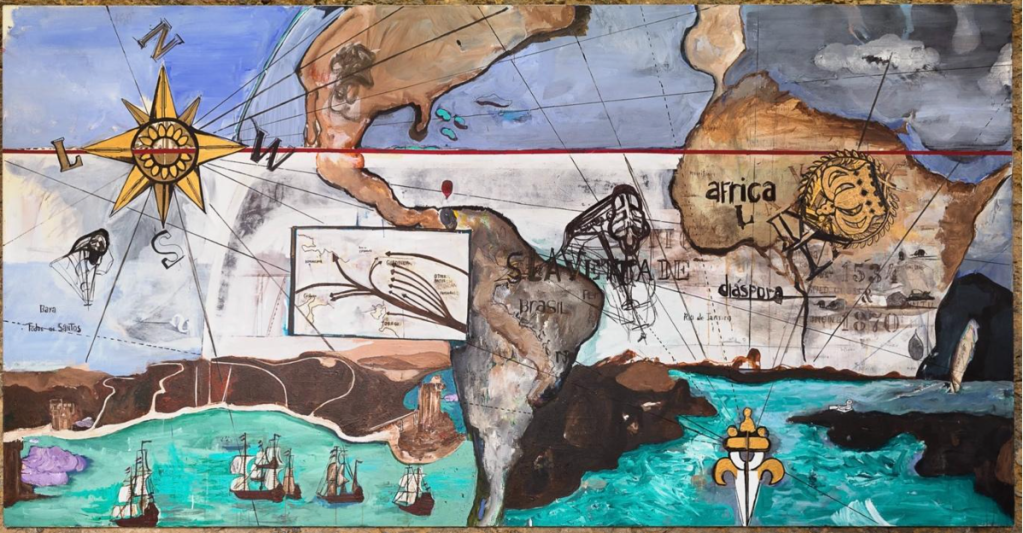
Decolonising International Relations: Why the Global South Still Thinks in Western Frames?
Read more: Decolonising International Relations: Why the Global South Still Thinks in Western Frames?By – Mansi Khetan Abstract This article examines how International Relations remains intellectually Western despite political decolonisation. It highlights the marginalisation of Global South perspectives and traces alternative Indian traditions of thinking on power, ethics, and strategic autonomy. By linking these ideas to contemporary Global South cooperation and multipolar politics, the paper argues for decolonising…
-
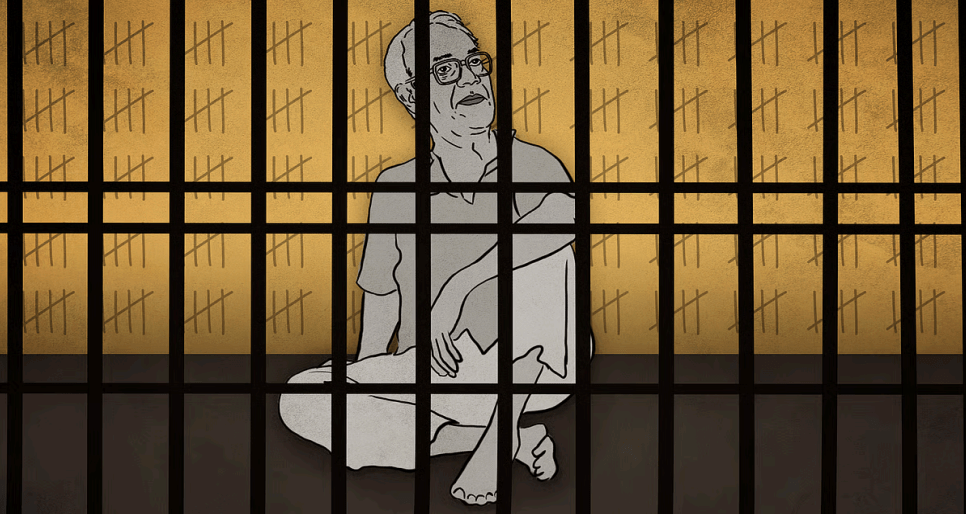
Cells, Codes, and Second Chances
Read more: Cells, Codes, and Second ChancesBy – Hansin Kapoor Abstract This article critically compares the prison law frameworks of Japan and India, examining the evolution of their statutes and prison manuals in relation to prisoners’ rights and rehabilitation. While Japan’s system, historically marked by strict discipline, has moved toward a rehabilitative model, India’s prison regime, rooted in colonial legislation, operates…
-
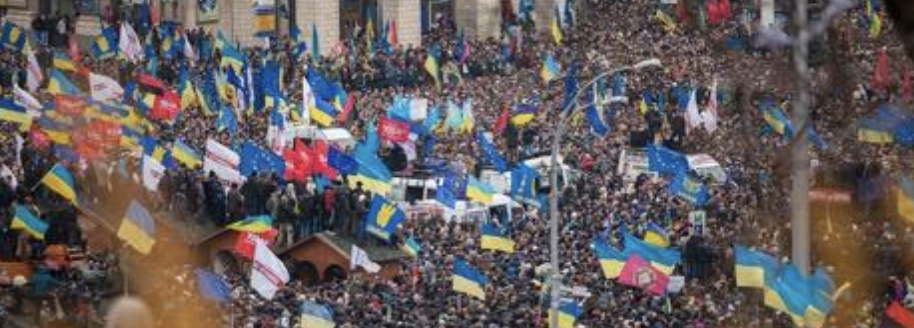
Decolonisation versus De-Westernisation in the Russia-Ukraine War
Read more: Decolonisation versus De-Westernisation in the Russia-Ukraine WarBy – Delisha Clara Rao Essampally Abstract The war between Russia and Ukraine is often framed through the Eurocentric history of International Relations as a classical great-power rivalry between NATO and Russia. This framing diminishes Ukraine to the status of a geopolitical buffer state and distorts the more profound post-imperial relations that shape the war.…
-
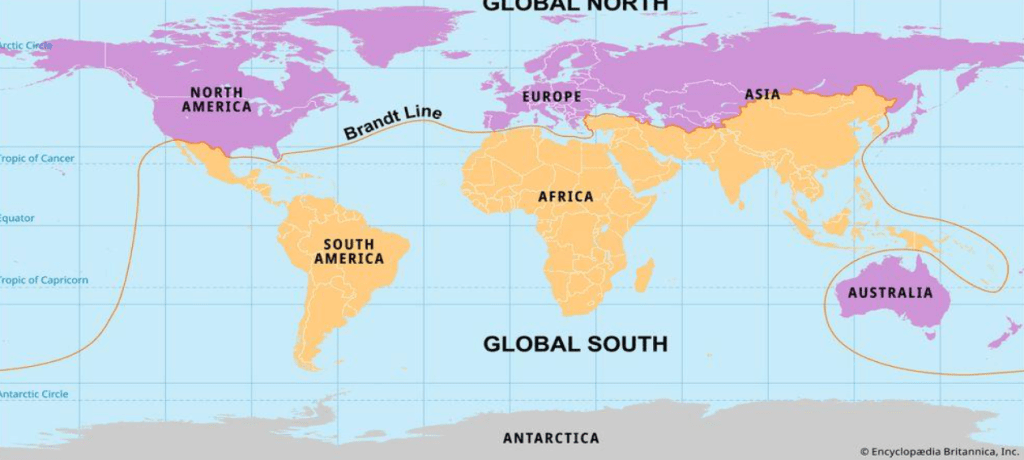
Beyond Eurocentric Universality: Reclaiming Agency of the Global South and Indigenous Groups through Epistemic Pluralism
Read more: Beyond Eurocentric Universality: Reclaiming Agency of the Global South and Indigenous Groups through Epistemic PluralismBy – Rianne Michael Abstract Eurocentric knowledge has historically functioned as the major epistemic framework, creating the view that Western historical experience is universal leading to marginalization of knowledge from the Global South and Indigenous communities. This article argues that Eurocentric knowledge is not also produces structural boundaries of inclusion and exclusion that shape the…
-
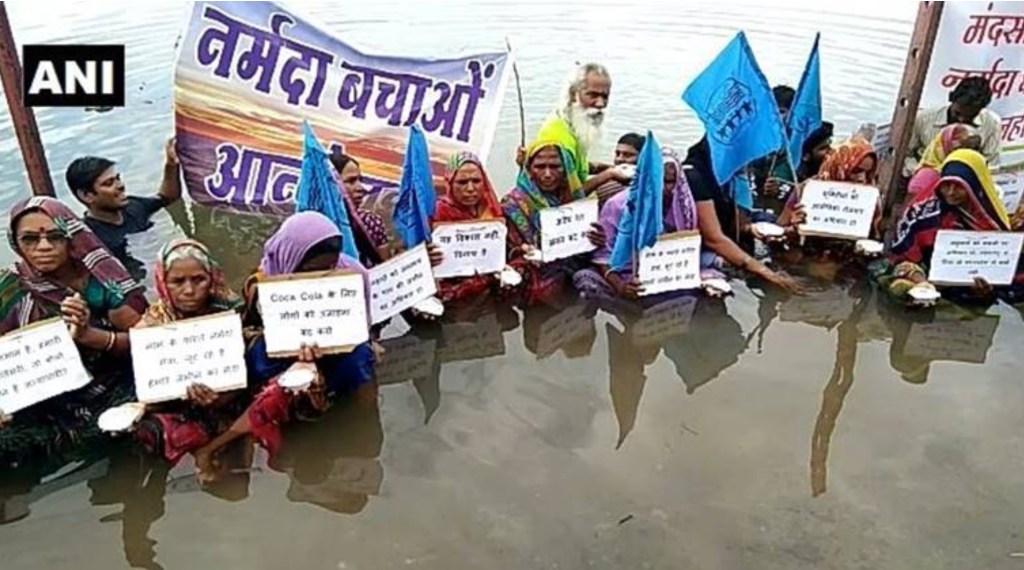
Rivers, Rights, and Resistance: The Narmada Bachao Andolan and India’s Development Paradigm
Read more: Rivers, Rights, and Resistance: The Narmada Bachao Andolan and India’s Development ParadigmBy — Sumedha Abstract This paper critically examines the Narmada Valley Development Project, with particular focus on the Sardar Sarovar Dam, to assess its ecological impacts, social displacement, and the role of judicial intervention. Drawing on environmental assessments, tribunal reports, and court decisions, the study highlights extensive forest submergence, disruption of riverine ecosystems, and the…
-
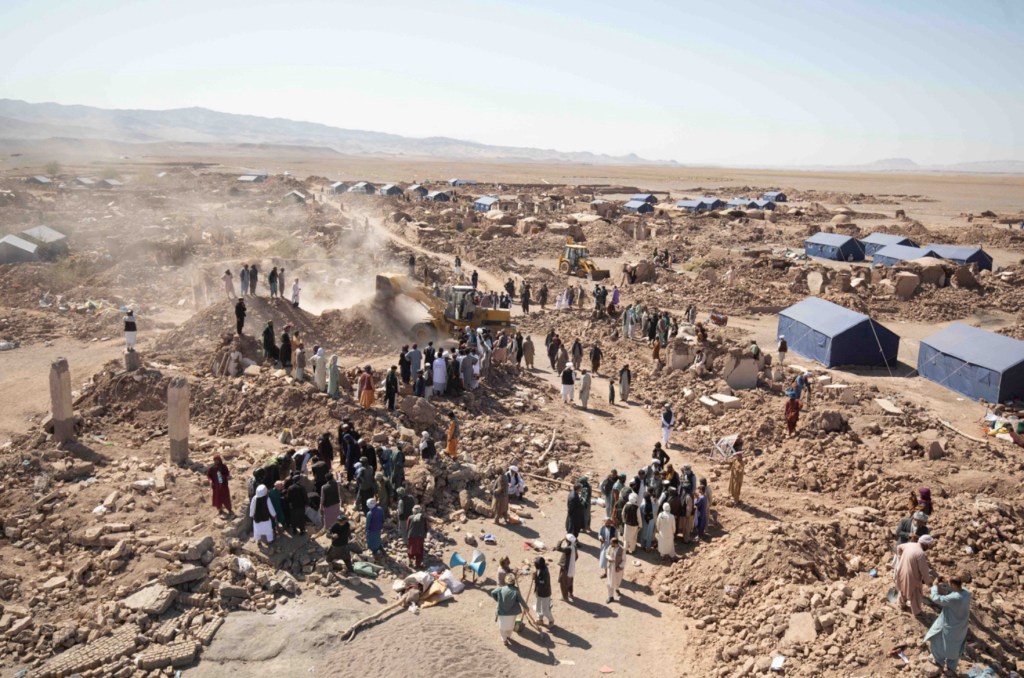
Natural Disasters: The Burden of Inequality Upon Relief Operations
Read more: Natural Disasters: The Burden of Inequality Upon Relief OperationsBy — Sumedha Abstract: Earthquakes are often described as natural disasters, yet their human consequences are profoundly shaped by social, economic, and political structures. This article undertakes a comparative case analysis of Japan’s 2011 Tōhoku earthquake and Afghanistan’s 2023 Herat earthquakes to examine how inequality determines disaster outcomes. Despite comparable seismic hazards, recovery trajectories diverged…
-

CLIMATE TRANSITION- A SHARED RESPONSIBILITY OR AN UNEQUAL BURDEN?
Read more: CLIMATE TRANSITION- A SHARED RESPONSIBILITY OR AN UNEQUAL BURDEN?By — Sumedha Abstract: Climate change, as a raging phenomenon accompanied by deteriorating infrastructure and living warrants change. Be it rampagnt floods in Punjab and Mumbai with drownig infrastucture and human toll or rising extremity of heatwaves in India, countries and the world together as a whole must take on this responsibility of protecting the…

Nickeled & Dimed
Penny for your thoughts?
We are accepting articles on our new email: cnes.ju@gmail.com

 NICKELED AND DIMED