-

Nudging Patriarchy into the Grave of Stereotypes
Read more: Nudging Patriarchy into the Grave of StereotypesThis article aims to analyse how the application of Nudge Theory can turn the failure of the Beti Bachao Beti Padhao initiative into a success by adding a few ‘new nudges’ recommended by me.
-

Understanding Micro-Macro link from the lens of Corona Pandemic
Read more: Understanding Micro-Macro link from the lens of Corona PandemicThis article aims to explain the links between micro and macroeconomics in the context of our present corona pandemic to prove the assertion – the recovery of the global economy is dependent on the revival of specific local systems chosen based on their relational status in the global economy. The proof is constructed by reflecting…
-

The U.S.- Did the use of monetary policy solve inflation or postpone it?
Read more: The U.S.- Did the use of monetary policy solve inflation or postpone it?The dual mandate of the Federal Reserve is to pursue the economic goals of maximum employment and price stability. When the pandemic hit, the Fed were worried about growth and employment. As the economy was recovering from 2 waves of Covid, inflation had already started its upward trend. However, the Fed assumed it was transitory…
-

Women in the gig economy: Mileage or mere facade?
Read more: Women in the gig economy: Mileage or mere facade?Being able to make one’s own decisions is one of the many options that the digital world offers. The gig economy refers to those individuals who work part-time or on a project-by-project basis under their own set of working conditions. Unfortunately, despite how ornate the concept may appear, some of its aspects have been hidden…
-

MID-DAY MEAL SCHEME IN THE GARB OF CASTEISM
Read more: MID-DAY MEAL SCHEME IN THE GARB OF CASTEISMThe mid-day meal scheme is one of the programs undertaken by the central government to provide nutritious food and education to children. Though this scheme has a long history, what is even older is casteism. The roots of casteism are embedded so deeply in society that now they have found their way into the mid-day…
-

Transition to Circular Economy: An Analysis
Read more: Transition to Circular Economy: An AnalysisAlthough people acknowledge that resources are consumed at an alarming rate which jeopardises future supplies and contributes to carbon dioxide accumulation, they consider a circular economy as a trade-off between environment conservation and profits. This article deals with what a circular economy is, its impact on employment, its shortcoming and its reality in India.
-

The Slippery Road of Vegetable Oil
Read more: The Slippery Road of Vegetable OilAs central banks around the world try their best to combat the rising inflation, the global edible oil crisis, caused by a variety of reasons, has unsettled the economic recovery.
-

Quantum-like Modelling and Complex Adaptive Systems: Policy Implications
Read more: Quantum-like Modelling and Complex Adaptive Systems: Policy ImplicationsThe emerging quantum cognition paradigm has both philosophical and modelling implications for decision science and social sciences.
-

Urban Planning and the Curious Case of Indian Cities
Read more: Urban Planning and the Curious Case of Indian CitiesDespite being labelled as dysfunctional, Indian cities are one of the oldest cities with plans. Yet, the contemporary state of Indian cities is worrying.
-

Urban Mobility Crisis: India Needs to Look Beyond Metro Rail Systems
Read more: Urban Mobility Crisis: India Needs to Look Beyond Metro Rail SystemsIn the second of a series of essays on urban mobility in India, Sudarshan and Mukundan systematically gauge the viability of responses by governments across the country to the current urban mobility crisis, focusing on the challenges faced by metro-rail systems in the country.
-

How Post-Harvest Losses Continue to Plague the Agricultural Sector
Read more: How Post-Harvest Losses Continue to Plague the Agricultural SectorThis research article analyses post-harvest losses in India by discussing its causes and impact on the agricultural sector specifically and the economy and environment at large. Post-harvest losses are incurred after harvesting but before final consumption and amount to a staggering 40% of the country’s produce. The article deliberates over the untapped potential of this…
-
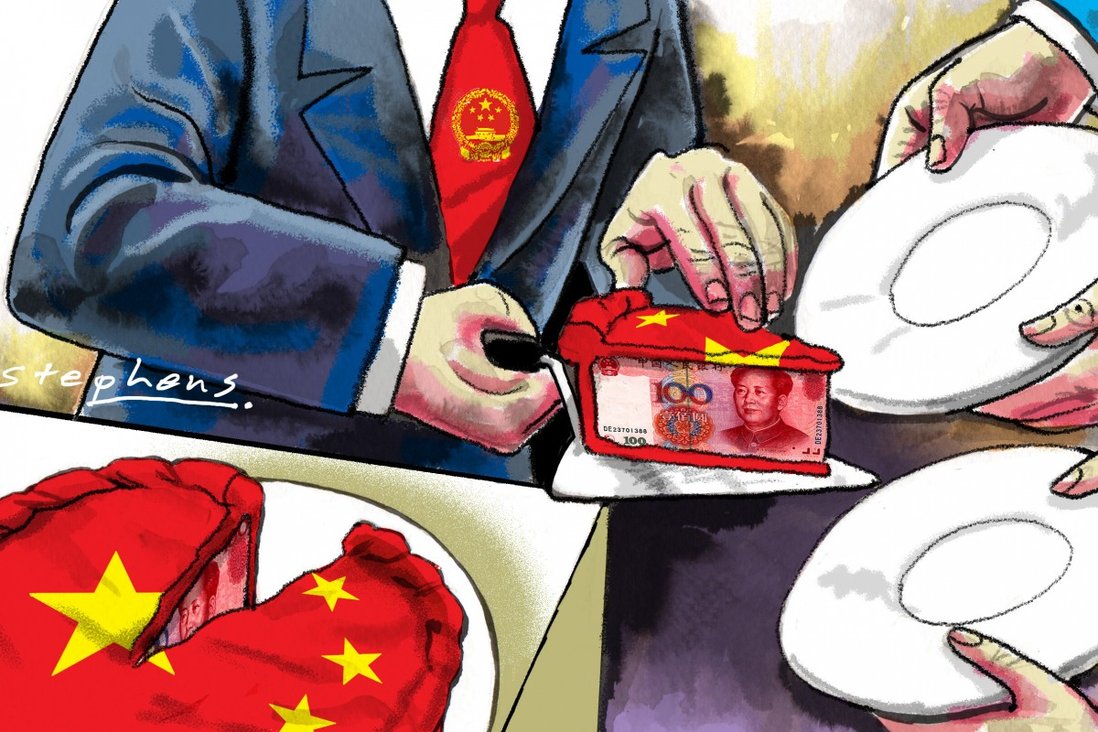
Does Common Prosperity mean Economic Prosperity?
Read more: Does Common Prosperity mean Economic Prosperity?Xi Jinping and the Chinese Communist Party have resolved to make China into a socialist state by putting emphasis on “common prosperity” to combat the yawning wealth gap. This article will examine if such a policy will indeed help to reduce inequality or if China will soon witness an economic tumult. Is this policy a…

Nickeled & Dimed
Penny for your thoughts?
We are accepting articles on our new email: cnes.ju@gmail.com