-

Satish Gujral’s Brushstroke: Portraying Post-Partition Suffering in Punjab
Read more: Satish Gujral’s Brushstroke: Portraying Post-Partition Suffering in PunjabThis article explores Satish Gujral’s powerful artistic response to the Partition of 1947, a traumatic event that profoundly shaped his work. Gujral’s Partition Series, created in the aftermath of this division, is a haunting visual narrative that captures the widespread human suffering and brutality of the time. Through insightful exploration of his paintings—such as “Mourning…
-

Akbar Goes East
Read more: Akbar Goes EastThis article is an examination of a painting from Akbarnama, while engaging in an analytical hermeneutics of the aesthetic objects represented, and using the image as an architectonic to analyse the (emphasised hyphenation) theory-philosophy of then and now – the metaphysics and nature of Indian modernity, exploring proto-Deleuzian themes of deterritorialization, impermanence and narrativity vis…
-

A Life in search of his Mother : M.F Husain’s ‘Mother Teresa’
Read more: A Life in search of his Mother : M.F Husain’s ‘Mother Teresa’“A head”, said Picasso, “is a matter of eyes, nose, mouth, which can be distributed in any way you like”. An image; a head, as his idol put it, with eyes, nose, mouth, distributed in a manner so he might just remember. For the most part of his life, every female figure that M.F Husain…
-
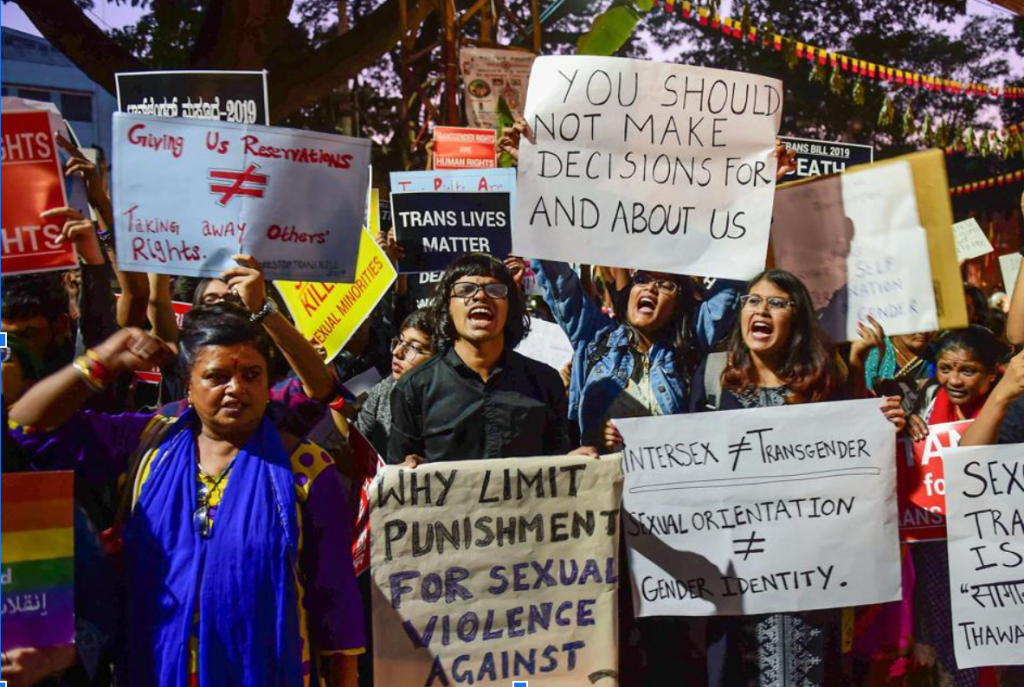
From Colonial Repression to Legal Recognition: The Transgender Struggle for Equality and Recognition in India
Read more: From Colonial Repression to Legal Recognition: The Transgender Struggle for Equality and Recognition in IndiaThe journey of a transgender person is a complex one that spans centuries marked by the very means of oppression, resistance, and discrimination with gradual progress embarking on legal recognition and social acceptance, from the British colonizers’ era, where implementation of discriminatory laws to the contemporary landmark case of the NALSA judgement in 2014, the…
-
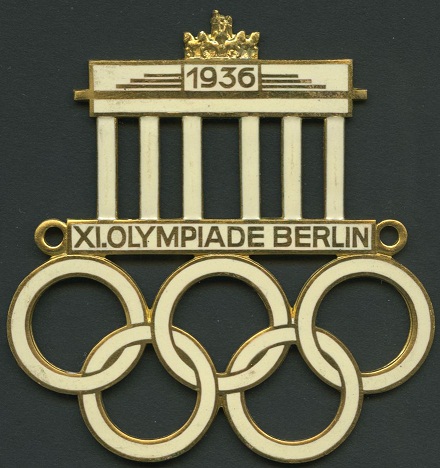
The Nazi Olympics
Read more: The Nazi OlympicsPierre de Coubertin, the founder of the Olympics, believed that the Games were beyond physical and mental displays of excellence. Rather he considered themcapable of acting as a bridge to friendly relationships between states, which can nurture mutual respect and understanding. His revolutionary words still echo in the Olympics slogan played today-‘Excellence, Respect, and Friendship’.…
-

Why The Gates To Ram Rajya Were Truly Unlocked
Read more: Why The Gates To Ram Rajya Were Truly Unlocked‘Taala khulwa do’, the three words that dictated Indian politics for the next four decades inked a new chapter of vote bank politics, creating a new kind of dance India undertook with democracy. The true beauty of the phrase lies not solely in the gravitas it carried, but also in the fact that it was uttered…
-

Unravelling the Timeline: Babri Masjid – Construction to Demolition
Read more: Unravelling the Timeline: Babri Masjid – Construction to DemolitionThe demolition of the Babri Masjid and the ensuing legal disputes have had a significant impact on Indian society, changing both its religious dynamics and socio-political environment. This article traces the origins of the Babri Masjid controversy from the Mughal era to the present and summarises its historical background, construction, legal disputes, and aftermath. The…
-
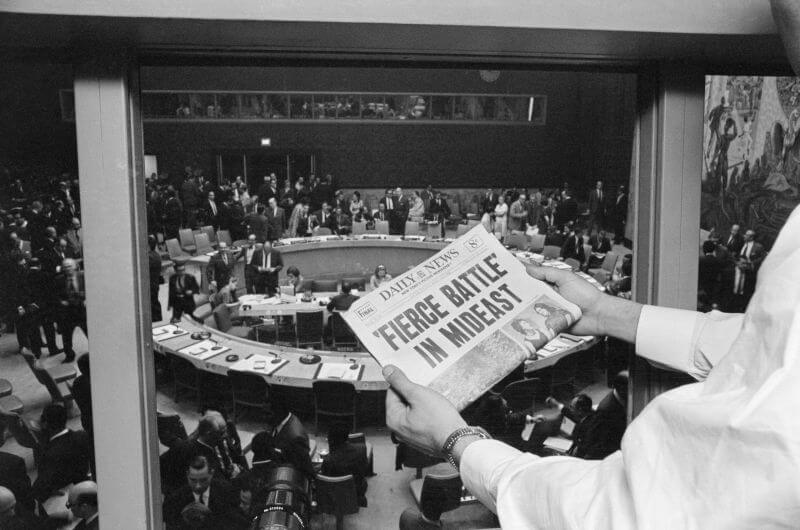
Unravelling the Diplomatic Tapestry: 6-Day War and UN Resolution 242
Read more: Unravelling the Diplomatic Tapestry: 6-Day War and UN Resolution 242This article explores the historical background and current applicability of UN Security Council Resolution 242 in resolving the intricate Arab-Israeli conflict. Established in the aftermath of the 1967 Six-Day War, Resolution 242 is a fundamental component of diplomatic endeavours to accomplish a comprehensive peace deal in the Middle East. The conflict’s history, the diplomatic discussions…
-

The Interplay of Globalisation and Consumerism: Driving Forces and Socio-Cultural Dynamics
Read more: The Interplay of Globalisation and Consumerism: Driving Forces and Socio-Cultural DynamicsGlobalisation is the exchange of ideas, tools, and goods across borders. It has been a driving force of growth throughout history. Dating back to ancient civilisations – the Mesopotamians and Romans – long-distance trade networks facilitated cultural exchange and economic prosperity. This trend continued with the Silk Road and maritime trade routes, fostering cross-pollination of…
-

A Palestinian State or Solution?
Read more: A Palestinian State or Solution?The Israel – Palestine conflict has been ongoing for the past 77 years, with numerous names and faces perishing into specks of dust and border lines being erased and redrawn like lines in a drawing book. Though human history has witnessed many struggles between groups of nations, this particular West Asian (from India’s standpoint) conflict…
-

“Culture as a Class Performance” in Normal People by Sally Rooney
Read more: “Culture as a Class Performance” in Normal People by Sally RooneyThis article explores how cultural capital, in “Normal People” by Sally Rooney, is portrayed as an often misused weapon wielded by characters to formulate pseudo-intellectual discourses within an academic framework. It also goes on to observe how Rooney has let the existence of political, social, cultural and economic conflicts subtly pervade the narrative of the…
-

The Modern Resurrection of Medea
Read more: The Modern Resurrection of MedeaThis article examines the 2014 production of Greek tragedian Euripides’ Medea at the National Theatre in London. It draws parallels between the two and observes how Medea’s narrative is still haunting our imagination after almost a millennium – what makes Medea a timeless reflection of human follies and fascinations?

Nickeled & Dimed
Penny for your thoughts?
We are accepting articles on our new email: cnes.ju@gmail.com
 NICKELED AND DIMED