-

Are Women Getting Any Closer? (Gendered Policy Part 2)
Read more: Are Women Getting Any Closer? (Gendered Policy Part 2)The second part of the gendered policy series looks at pertinent questions regarding the status of women in law and jurisprudence. Has there been a recent change in feminist jurisprudence in the law? Did the monumental Criminal Amendments Act of 2013 live up to its promises? Where is the future of women in the field…
-

Cybersecurity in the Indian Legal Scenario
Read more: Cybersecurity in the Indian Legal ScenarioThis article analyses the status of cybersecurity in India and the recent developments in the cyber world. It also gives a brief context of the relationship between cybercrimes and COVID- 19.
-

Armenia-Azerbaijan lock horns amidst COVID-19
Read more: Armenia-Azerbaijan lock horns amidst COVID-19In this article, Amisha Singh looks at the conflict between Azerbaijan and Armenia over the disputed Nagorno-Karabakh region. The article covers the recent developments and the international responses to the war-like atmosphere in the region.
-
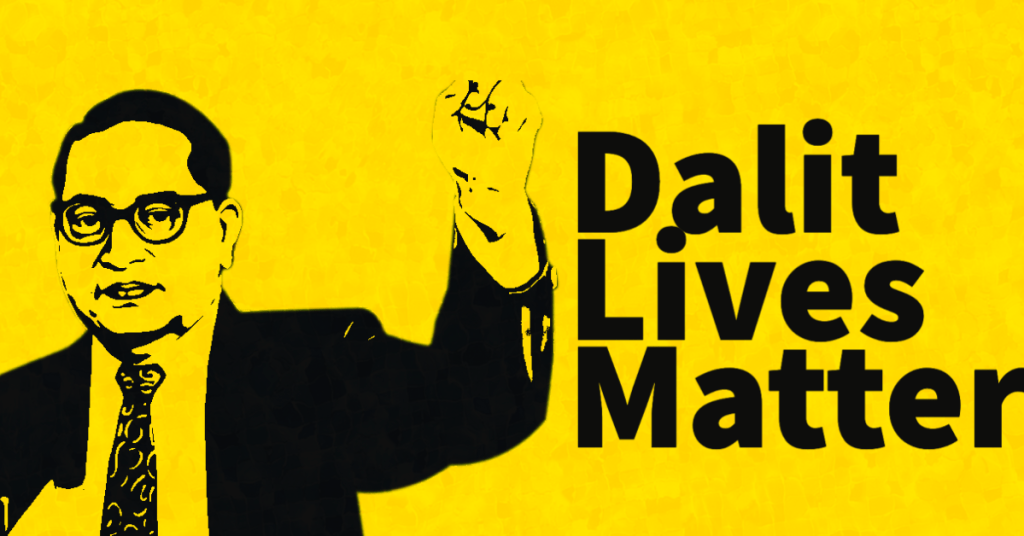
Dalit Lives Matter
Read more: Dalit Lives MatterTW: This article talks about graphic caste and gender based violence and has mentions of rape. Disclaimer: This piece is written in the aftermath of the harrowing Hathras incident, details of which remain etched in our memories. Rest in Peace, Manisha. The fight for justice will go on.
-

PART II: Economic Development, but at what cost?
Read more: PART II: Economic Development, but at what cost?In this article, the author evaluates the economic reforms of 1991 and talks about how they were lopsided as well, focussing on unemployment and exploitation of labour and environment.
-

Exploring gendered narratives within armed conflict
Read more: Exploring gendered narratives within armed conflictThe discourse around gender is a critical aspect of armed conflicts where patriarchal gender norms entrenched in societies magnify gender relations and characteristics
-

River Interlinking: Reflections from the Case Study of the Pattiseema Project
Read more: River Interlinking: Reflections from the Case Study of the Pattiseema ProjectGiven the enthusiasm with which the government seems to fuel the river-interlinking projects has become worrisome. To settle this debate we shall look no further than the rice bowl of India: the Krishna-Godavari delta basin’s Pattiseema Project. This is the last part of this series.
-

The Disconnect between the Stock Market and the Economy
Read more: The Disconnect between the Stock Market and the EconomyThe stock market and the economy are moving in opposite directions.The disconnect between the two is said to be the largest in India— the country having the world’s second-highest number of coronavirus cases.
-

Institutional Illusion: The ‘Flawless Façade’ of IMF’s zero Interest Loans
Read more: Institutional Illusion: The ‘Flawless Façade’ of IMF’s zero Interest LoansThis article analyses the IMF’s 0 interest loans and provides an insight into the structure, lending exercises, and policy governance practices of the IMF. Simultaneously it evaluates the truth in IMF’s claims of uplifting poor/distressed states.
-

Indian Education Market: Evaluation of National Education Policies
Read more: Indian Education Market: Evaluation of National Education PoliciesWith the Union Cabinet recently approving the New Education Policy (2020), that is aiming to make “India a global knowledge superpower”, let us look at how education policies have changed over the years in India.
-

Gendered Policy (Part 1): Universalisation of Women Helpline Scheme
Read more: Gendered Policy (Part 1): Universalisation of Women Helpline SchemeIn the first part of the series on gendered policy, the author analyses the helpline scheme to promote women safety.
-
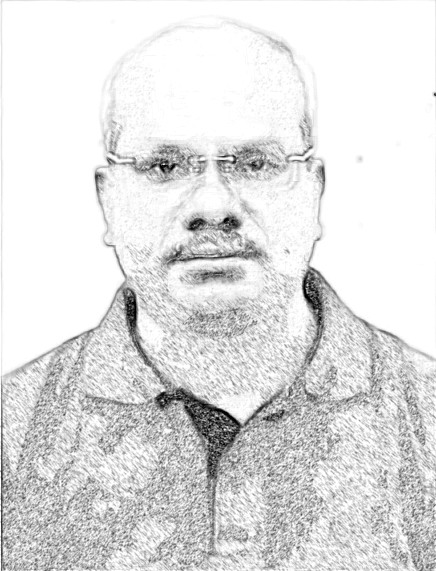
Ghettoization of Dalit experiences in Indian Academia
Read more: Ghettoization of Dalit experiences in Indian AcademiaIn conversation with Prof N. Sukumar, Political Scientist at Delhi University. Q. Constitutional laws on education, in principle, with regards to affirmative action and reservations attempt to bridge the gap between marginalized groups and those in the general category. Despite being implemented, there is a large gap between the numbers of students in the aforementioned…

Nickeled & Dimed
Penny for your thoughts?
We are accepting articles on our new email: cnes.ju@gmail.com
 NICKELED AND DIMED