-
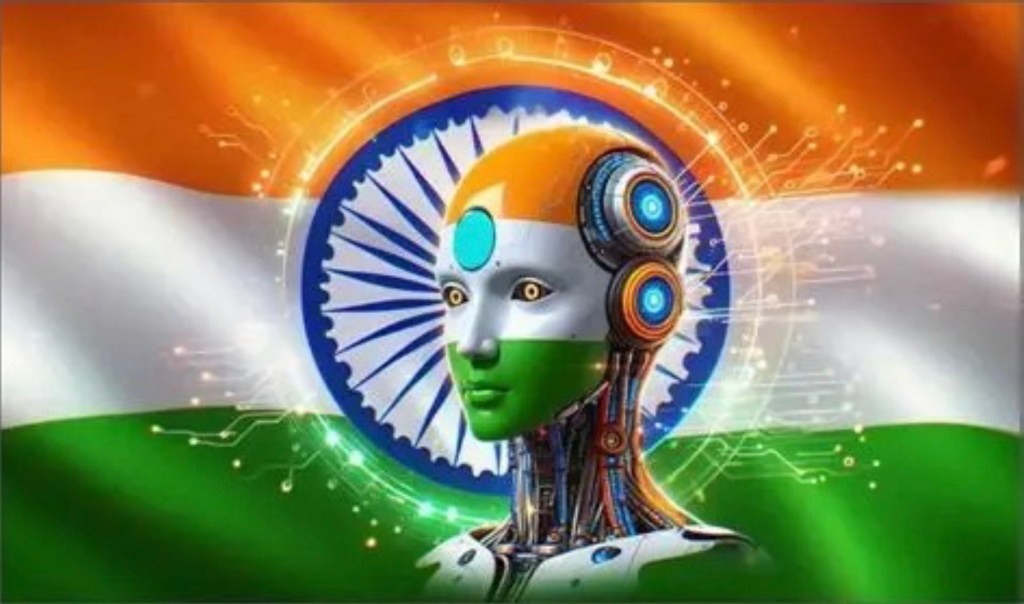
Is AI the New Raj?
Read more: Is AI the New Raj?By — Hansin Kapoor Abstract As India integrates Artificial Intelligence into its digital public infrastructure, a critical tension arises between technological efficiency and cultural plurality. This article examines whether AI is acting as an agent of monoculture by streamlining India’s vast linguistic and social diversity into machine-readable formats. By applying the lens of social…
-
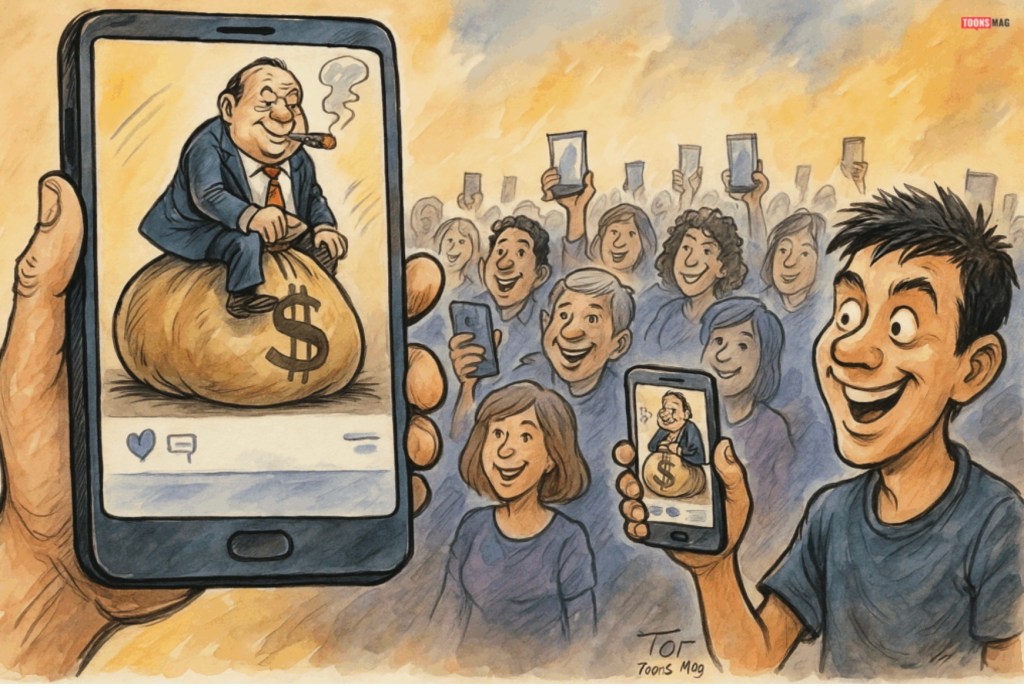
Meme Warfare: How Virality Has Become a Tool of Strategic Influence in Global Politics?
Read more: Meme Warfare: How Virality Has Become a Tool of Strategic Influence in Global Politics?By — Mansi Khetan Abstract From campaign trails to conflict zones, memes have become unlikely instruments of geopolitical influence. What was once dismissed as digital vernacular now shapes legitimacy, public perception, and narrative dominance in real time. This article examines how virality transforms political authority into a performance calibrated for algorithms rather than institutions. It…
-
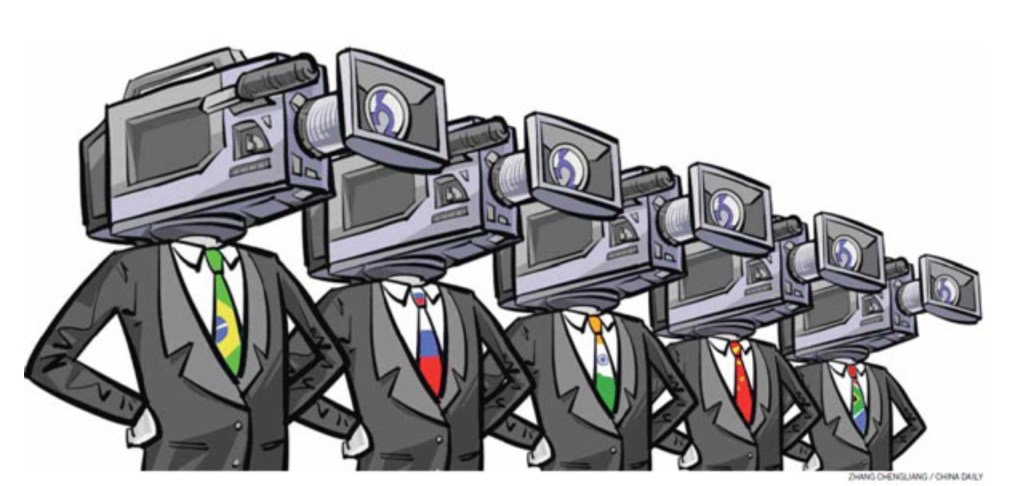
Legitimacy Beyond Borders: Social Media and the Internationalisation of Governance
Read more: Legitimacy Beyond Borders: Social Media and the Internationalisation of GovernanceBy — Mansi Khetan Abstract Social media has transformed how political legitimacy is constructed and contested in contemporary world politics, extending governance beyond territorial borders. This article examines how digital platforms enable political actors to perform and affirm claims of legitimate authority before global audiences. By analysing Ukraine’s digital strategy during the Russia-Ukraine war and…
-
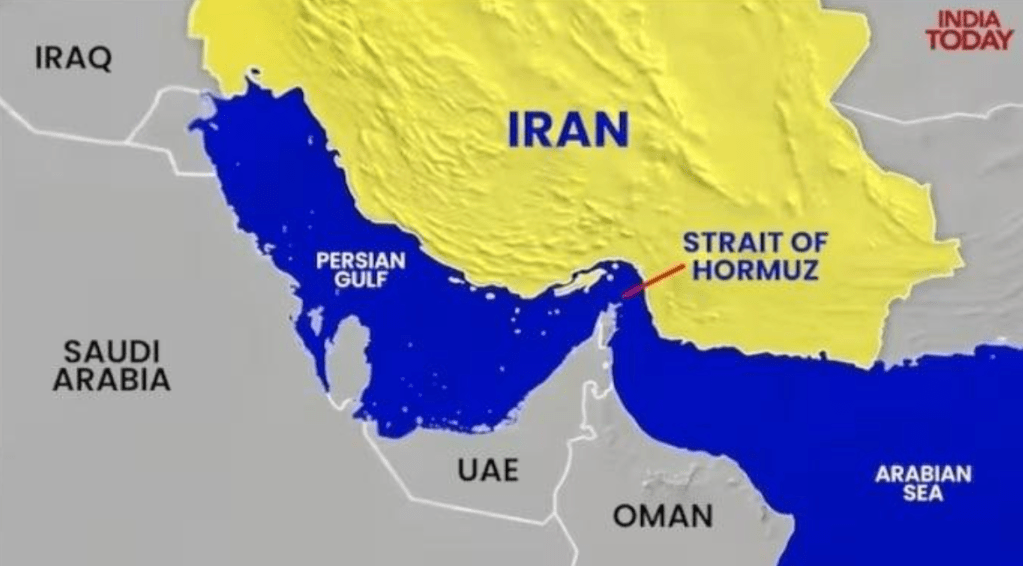
What happens when a Chokepoint becomes a Weapon? The Strait of Hormuz Crisis and the Fragility of the Global Supply Chains
Read more: What happens when a Chokepoint becomes a Weapon? The Strait of Hormuz Crisis and the Fragility of the Global Supply ChainsBy – Rianne Michael Abstract The Strait of Hormuz is one of the most critical maritime chokepoints in the global trading system that facilitates a significant share of the world’s energy and commodity flows. Following the escalation of hostilities between Iran, the United States of America, and Israel in February 2026, threats have been made…
-
Quo Vadis, Diplomacy?
Read more: Quo Vadis, Diplomacy?By – Hansin Kapoor Abstract This article explores the radical transition from policy-based legitimacy to aesthetic resonance in contemporary global politics. As the traditional Westphalian order enters a state of polycrisis, the technical language of international law is increasingly superseded by the affective power of the “Vibe Shift.” By analyzing aesthetic movements such as “Little…
-
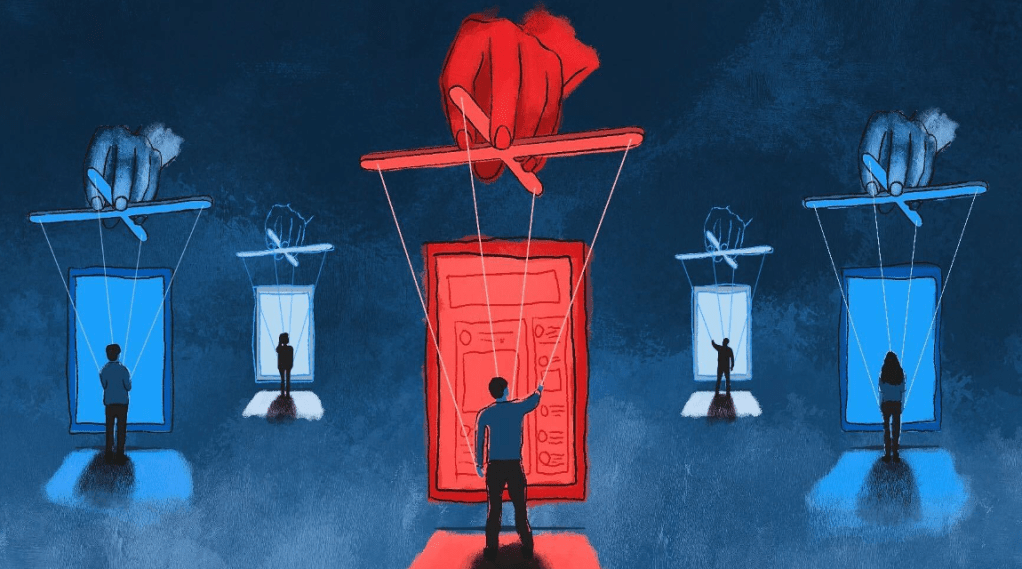
Show Me Your Feed and I’ll Tell You Your Politics
Read more: Show Me Your Feed and I’ll Tell You Your PoliticsBy – Delisha Clara Rao Abstract The shift from traditional news media to social media being the one stop for all news related concerns raises mixed opinions on it being both a boon and a bain. While the increased accessibility of information has expanded public engagement and awareness, this transformation has also exposed significant vulnerabilities…
-
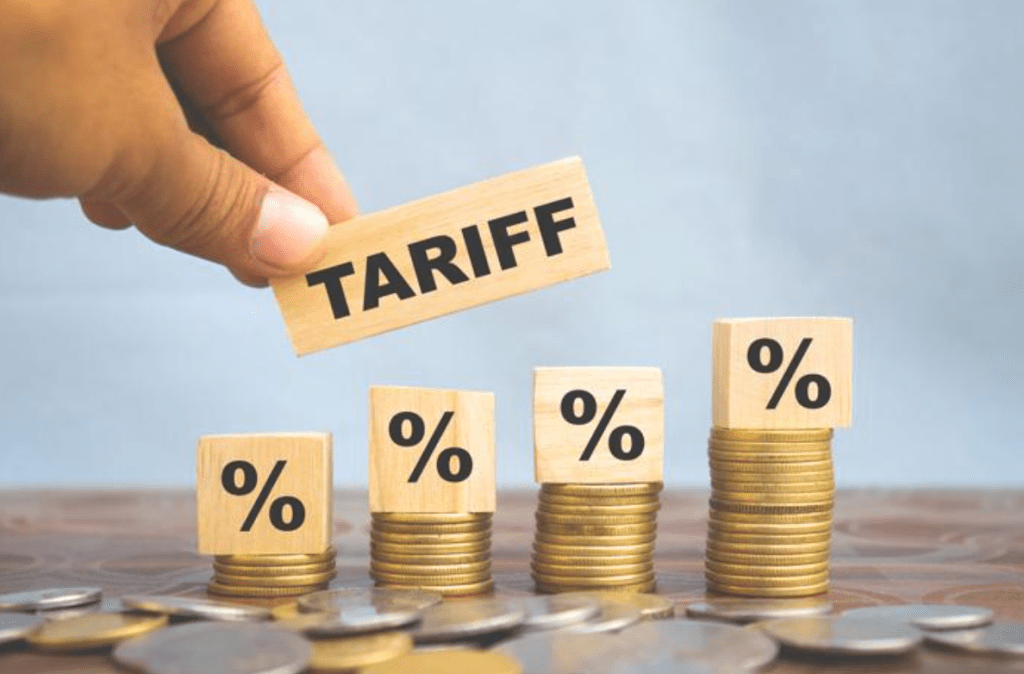
The New Mercantilism: Pax Silica, Sanctions, and the Weaponisation of Trade Law
Read more: The New Mercantilism: Pax Silica, Sanctions, and the Weaponisation of Trade LawBy – Inika Gupta Abstract This article analyses the weaponisation of global trade, where dominant powers use sanctions and semiconductor monopolies (Pax Silica) to coerce nations. Highlighting the hypocrisy of Western sanctions against India and the resulting crisis in WTO law, it details India’s dual strategy of domestic fiscal firewalls and strategic multilateral alignment. Introduction…
-
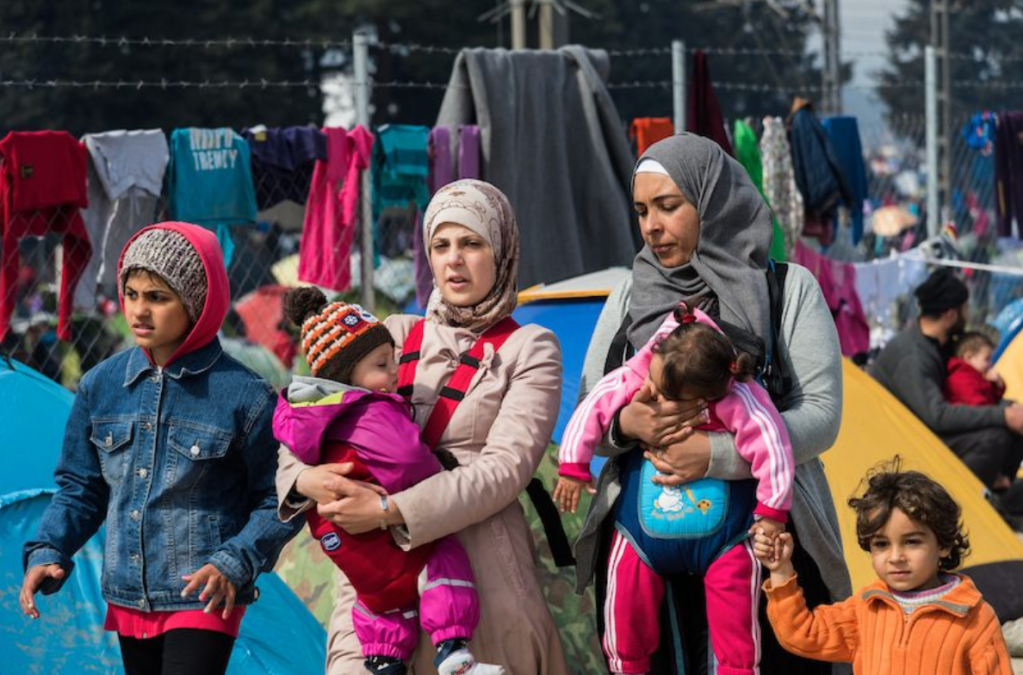
Gendered Borders: Feminizing Vulnerability & Masculizing Threat
Read more: Gendered Borders: Feminizing Vulnerability & Masculizing ThreatBy – Anisha Jyotirmyayee Abstract This article conceptualises borders as gendered social institutions regulating mobility through narratives of protection. It theorises borders as gendered metaphors themselves and characterizes this in the reality of gendered borders of feminizing vulnerability and masculinizing danger. Drawing on the theory of bio politics of Michel Foucault, it argues that the…
-

The Two Genders and Other Administrative Fairy Tales
Read more: The Two Genders and Other Administrative Fairy TalesBy -Siddarth Poola Abstract The modern state insists that it is neutral committed to equality. It also insists, with remarkable confidence, that humanity comes in two neatly packaged options. This article examines how the gender binary functions as a foundational administrative technology of the state, structuring law, policy, data in ways that systematically erase identities…
-

Gold as Strategic Insurance: Why Central Banks Are Buying at Record Levels
Read more: Gold as Strategic Insurance: Why Central Banks Are Buying at Record LevelsBy — Dhruvi Solanki Abstract Central banks across the world are buying gold at the fastest pace in modern history. This shift is not accidental or temporary. It reflects inflation shocks, geopolitical tensions, sanctions risk, diversification away from excessive dollar dependence, and the search for financial credibility in uncertain times. By using real-world data, policy…

Nickeled & Dimed
Penny for your thoughts?
We are accepting articles on our new email: cnes.ju@gmail.com

 NICKELED AND DIMED