-

Reforms, Reductions, and Reinvestments
Read more: Reforms, Reductions, and ReinvestmentsSome budgets make history. Some merely make headlines. India’s Union Budget 2025-26 aspires to do both. It arrives with foreign investment, tax cuts, deregulation, and the ever-reliable promise of “ease of doing business.” But as any seasoned observer of Indian economic policy knows, a budget is often a Rorschach test: what you see depends entirely…
-

Assessing the potential Impact of India’s river linking projects
Read more: Assessing the potential Impact of India’s river linking projectsBy : Shaurya Agarwal Abstract On December 25, 2024, Prime Minister Narendra Modi laid the foundation for the Ken-Betwa River Link Project in an attempt to solve the water scarcity in the Bundelkhand region that covers parts of Uttar Pradesh and Madhya Pradesh. This ₹45,000 crore project was inaugurated despite the objections raised by experts, including…
-
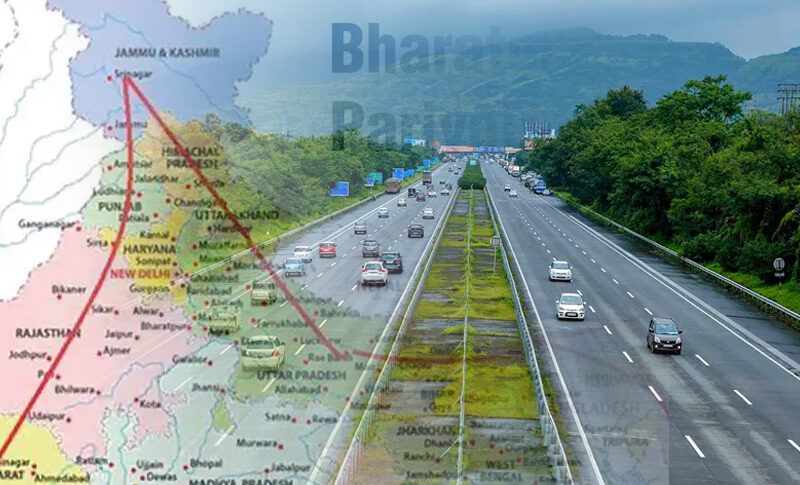
Transforming Roads and Connecting India with ‘The Bharatmala Project’
Read more: Transforming Roads and Connecting India with ‘The Bharatmala Project’Bharatmala Pariyojana, which translates to the Garland of India, is an ambitious highway development initiative launched by the government of India to modernize and expand the country’s road infrastructure. Envisioning the construction of approximately 34,800 kilometres of roadways, the project aims to optimize the movement of freight and passengers, reduce logistics costs, and enhance connectivity…
-

Public Examinations (Unfair Means Prevention) Bill 2024: A Legislative Comment
Read more: Public Examinations (Unfair Means Prevention) Bill 2024: A Legislative CommentWith the number of candidates sitting for competitive examinations increasing exponentially each year, their efficacy is being questioned like never before. The recent controversy around the perusal of unfair means in the National Eligibility cum Entrance Test (NEET) has posed a question on the purported meritocracy of these examinations. Amidst all this, the union government…
-

Analyzing Ambedkar’s Annihilation of Caste in Contemporary Indian Democracy
Read more: Analyzing Ambedkar’s Annihilation of Caste in Contemporary Indian DemocracyBy : Rufaid Imtiaz Abstract: Ambedkar’s annihilation of caste talks about the legacy of unacceptance and a demand for a turnaround. The caste-based structure has found its way to exist over the years. Despite government policies aimed at the eradication of casteism, its existence remains embedded in our country, often manipulated for political benefits or…
-

Colonial Cartoons: Drawing the Line Between Oppressor and the Oppressed
Read more: Colonial Cartoons: Drawing the Line Between Oppressor and the OppressedBy Aditi Lazarus Abstract: This article explores the historical significance and evolution of cartoons as a medium of socio-political commentary in India, particularly during the British colonial rule. Initially introduced by the British through periodicals such as Punch, cartoons often depicted Indians in a stereotypical and negative light. However, Indian publications like the Hindi Punch…
-
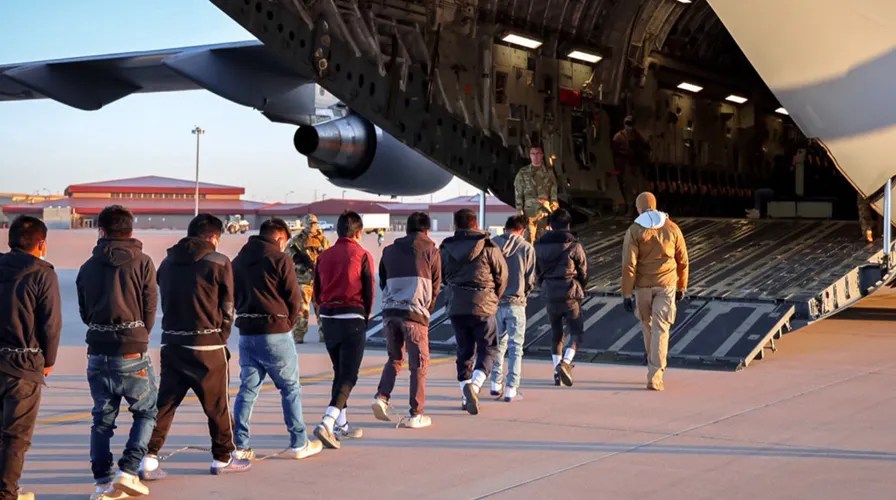
Handcuffs and Deportation: The US-India Immigration Controversy
Read more: Handcuffs and Deportation: The US-India Immigration ControversyOn February 5, 2025 a US C17 military aircraft with 104 Indian nationals, who were illegal immigrants, landed in Amritsar. Amongst the deportees were 19 women and 13 minors. It is likely that 487 Indian nationals are to be deported from the US soon. India’s Foreign Secretary, Vikram Misri in a press conference, on February 7,…
-
Witness Protection in India: Recent Initiatives by the Government and the Impact of New Criminal Laws
Read more: Witness Protection in India: Recent Initiatives by the Government and the Impact of New Criminal LawsThe role of witnesses in criminal trials is indispensable in ensuring the administration and efficacy of the criminal justice system. However, the Government of India and investigating agencies have sometimes fallen short in providing adequate protection to witnesses against the frequent threats, intimidation and coercion which they face. In this article, we examine how this…
-

The Perils and Promises of One Nation, One Election
Read more: The Perils and Promises of One Nation, One Election‘One Nation, One Election’ (ONOE) has become a hotly debated issue of contemporary Indian politics and governance and the proponents of this idea have assumed that this will be a revolution in the functioning of public policies while the opponents are quite wary of the consequences of this policy on the structure of India’s political…
-
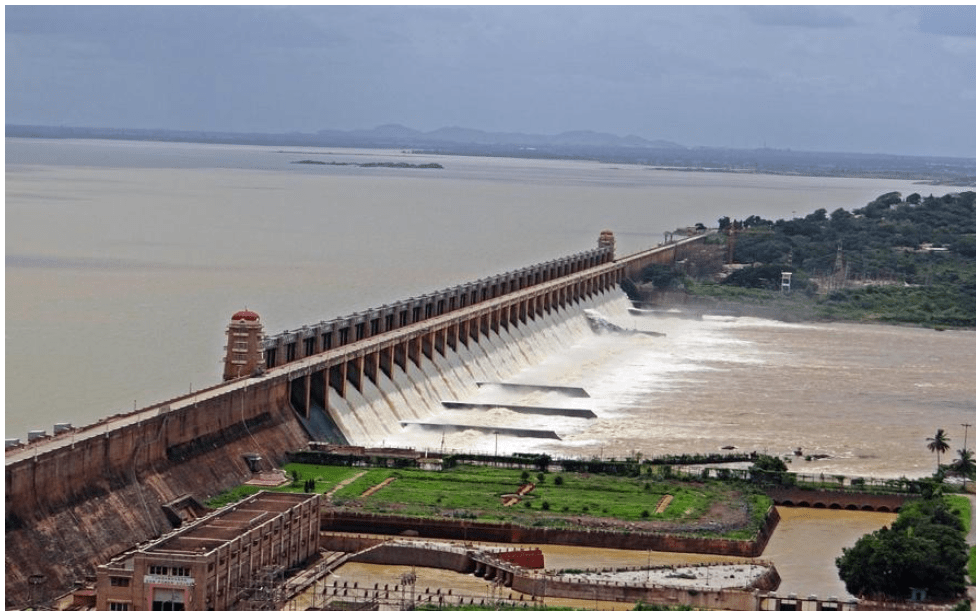
Tribal Rights and The Law
Read more: Tribal Rights and The LawWidespread displacements have been caused by the construction of large dams in India. Considering the historical and geographical setup, majorly the people belonging to tribal communities are affected by such change. There have been promises made and attempts made to formulate a framework legally, to deal with such an issue, however, it has always turned…
-

Delimiting India: Are we ready?
Read more: Delimiting India: Are we ready?As a population control measure, the delimitation of seats was frozen with the 1971 census. The past couple of decades have shown a standoffish result with an uneven explosion of population around the country. Demands for delimitation have risen within the previous few years. However, the 84th Amendment has already extended it to 2026, and…
-
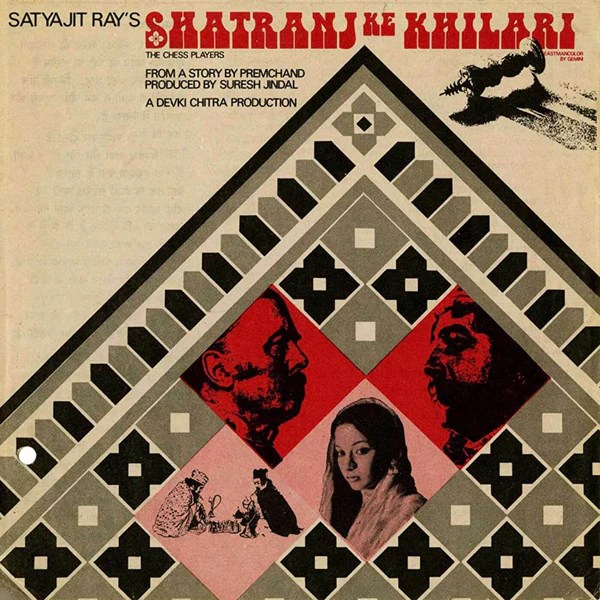
Checkmate of Awadh: The Symbolism of Chess in Satyajit Ray’s Shatranj Ke Khilari
Read more: Checkmate of Awadh: The Symbolism of Chess in Satyajit Ray’s Shatranj Ke KhilariThis article examines Satyajit Ray’s Shatranj Ke Khilari (1977), using the game of chess as a motif for political and cultural power struggles during British colonialism in India. Through the portrayal of characters like Wajid Ali Shah and the apathetic Mirza and Mir, the film critiques the Indian elite’s detachment from political resistance. Ray intertwines…

Nickeled & Dimed
Penny for your thoughts?
We are accepting articles on our new email: cnes.ju@gmail.com
 NICKELED AND DIMED