-

How Post-Harvest Losses Continue to Plague the Agricultural Sector
Read more: How Post-Harvest Losses Continue to Plague the Agricultural SectorThis research article analyses post-harvest losses in India by discussing its causes and impact on the agricultural sector specifically and the economy and environment at large. Post-harvest losses are incurred after harvesting but before final consumption and amount to a staggering 40% of the country’s produce. The article deliberates over the untapped potential of this…
-
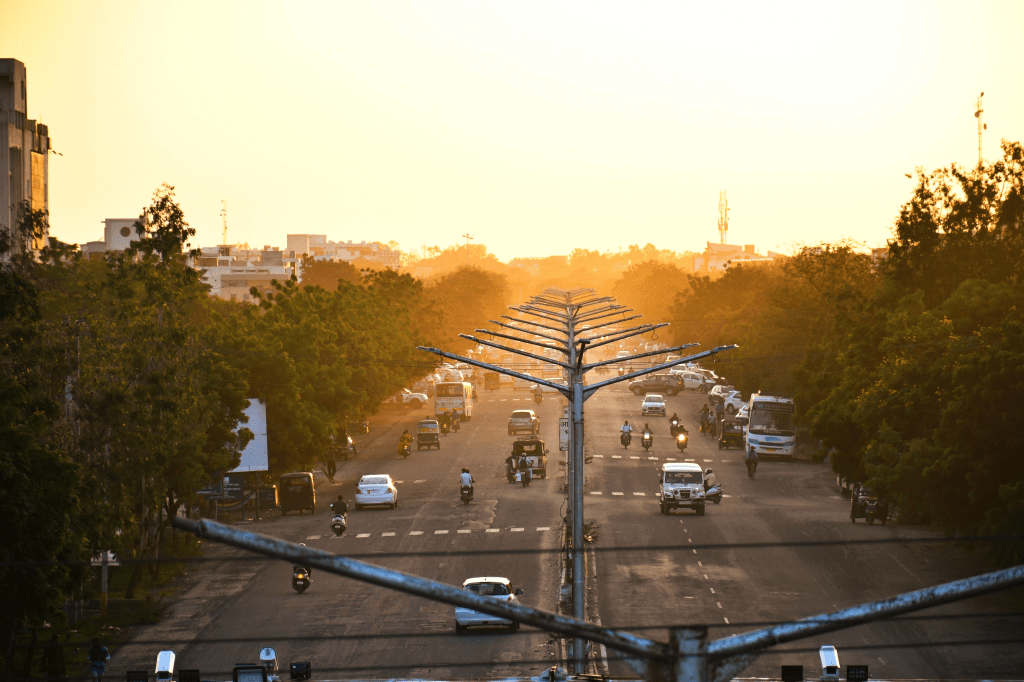
A Choppy Road Ahead: How the Pandemic is Reinventing India’s Urban Mobility Crisis
Read more: A Choppy Road Ahead: How the Pandemic is Reinventing India’s Urban Mobility CrisisIndia has always had its issues with urban mobility. However, the financial, behavioral and commercial trends triggered by the pandemic threaten to complicate these issues in an unprecedented manner. In the first of a series of essays on urban mobility in India, Sudarshan and Mukundan trace some of these complications to unravel the biggest challenges…
-
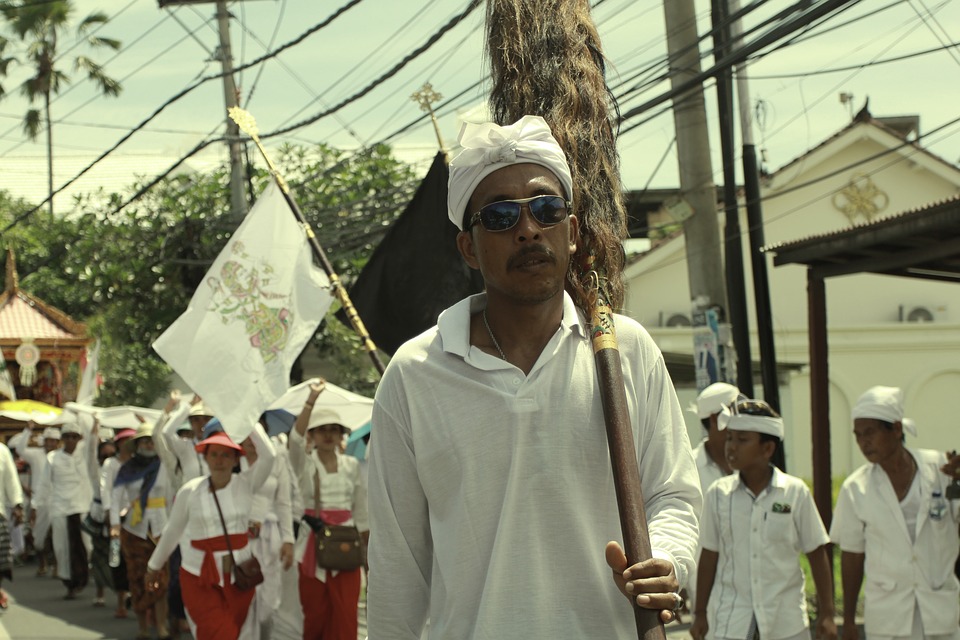
Aesthetics in International Relations: Reportage, Colonialism, and Modernity
Read more: Aesthetics in International Relations: Reportage, Colonialism, and ModernityThis article aims to explore the idea of aesthetics in International Relations. It seeks to find an answer to explain the dominance of Western aesthetics in contemporary discourses through colonialism and highlights the all-pervasiveness of this aesthetic even in non-western contexts.
-
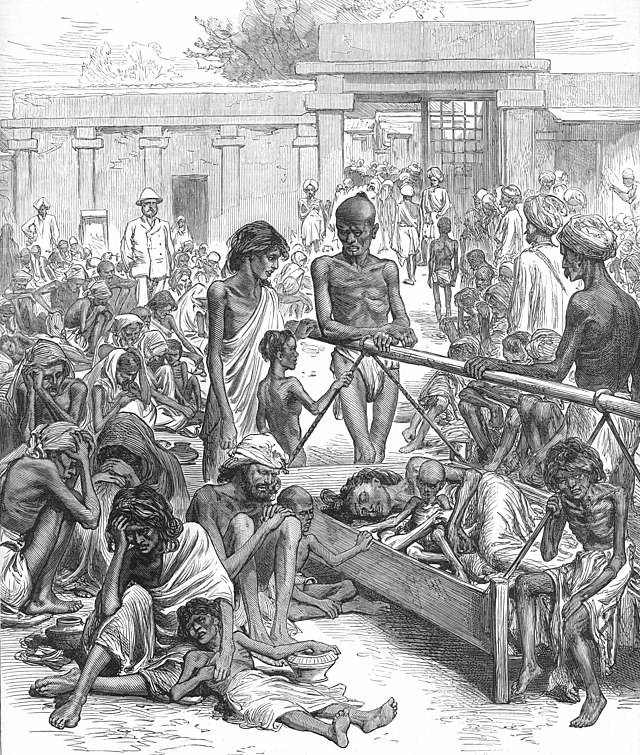
The Third World’s Modern Origins
Read more: The Third World’s Modern OriginsThe genesis of the ‘Third World’ categorization lies in the nature of modernity exported by the First World. Asish Singh explains this with the example of eighteenth-century famines in India.
-
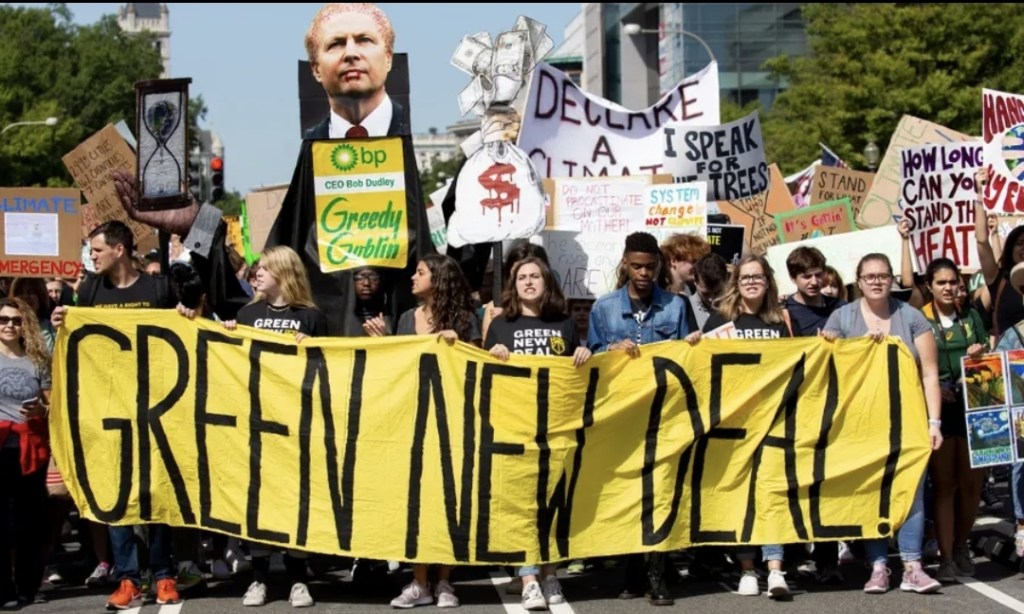
Middle class Environmentalism: Fact or Façade?
Read more: Middle class Environmentalism: Fact or Façade?Ashika questions where the middle class lies in the spectrum of environmentalism on the basis of wealth specific to India and explores the running discourse on the subject. Much like that of the rich and the poor, it is important to understand their attitude towards the environment and its resources.
-

I leave you with two words… Inclusion Rider
Read more: I leave you with two words… Inclusion RiderFrances McDormand’s acceptance speech at the 2018 Academy Awards left the world puzzled about her closing lines –“I have two words to leave you with ladies and gentlemen, Inclusion Rider.” On the further understanding of what an inclusion rider is, the discourse around how the film industry could be modelled into a fair and safe…
-

Should Personal Income Tax be Abolished in India?
Read more: Should Personal Income Tax be Abolished in India?Income tax abolition is a highly debated and controversial proposal in the country today. About one fourth of the central government’s revenue comes from personal income tax collection. While some economists argue that the loss of revenue for the government would be detrimental, others opine that more money in the hands of people would result…
-

Unwrapping “A Plastic Ocean”
Read more: Unwrapping “A Plastic Ocean”The Plastic Ocean is a documentary that brings to light the infamous nature of plastic, opening up our eyes to the necessary solutions and path forward. A one cause, multiple effect situation arises, as the simple use and improper disposal of plastic products finds its way into the tales of animal endangerment, and rise in…
-

Conditional Cash Transfers – How Do They Affect Women?
Read more: Conditional Cash Transfers – How Do They Affect Women?Conditional Cash Transfers are popular poverty alleviation welfare schemes employed by governments across the globe. They have reaped impressive results in improving the conditions of poor households by targeting women as the beneficiaries – but how have they contributed to women’s empowerment? This article explores the impact of CCTs through the gender perspective.
-

Children of Sex Workers: The Tale of Socio-Economic Mobility
Read more: Children of Sex Workers: The Tale of Socio-Economic MobilityThis conversation is a part of Swabhimaan’s latest edition on Midnight Blue.
-

Sports and IR: The Performative Liberation of Refugee Athletes
Read more: Sports and IR: The Performative Liberation of Refugee AthletesPolicymakers and academics have lauded the use of sports as a tool for liberating refugees by helping them integrate into foreign societies or heal from their traumatic experiences. However, this article discusses the many ways in which this notion of liberation of refugee athletes through sports becomes one that is mostly performative.
-
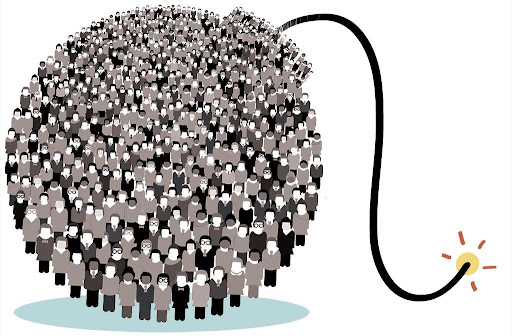
Populationism: Is Population Control Our Only Solution?
Read more: Populationism: Is Population Control Our Only Solution?In this article, Noor Sharma talks about the populationist view with respect to population count, its growth and control. She goes on to refute the argument using examples of the two major consumers of Earth’s resources: the super consumers and the industries. Consumer Sovereignty is challenged using examples too well known, and planned obsoletion and…

Nickeled & Dimed
Penny for your thoughts?
We are accepting articles on our new email: cnes.ju@gmail.com
 NICKELED AND DIMED