-

Penning the Revolution: The Progressive Writers Movement and its impact on India’s Freedom Struggle
Read more: Penning the Revolution: The Progressive Writers Movement and its impact on India’s Freedom StruggleThe Progressive Writers Movement in India was a literary and cultural movement that took place in the early 20th century. It aimed to bring about social and political change through literature by highlighting the problems faced by the working class and marginalised communities. The movement was influenced by Marxist ideas and advocated for a socialist…
-

Safeguarding the Sea: Navigating Microplastic Pollution with WasteLess Auroville
Read more: Safeguarding the Sea: Navigating Microplastic Pollution with WasteLess AurovilleMicroplastics and marine plastic pollution is a global crisis that requires immediate action. Educating people on this issue is essential to ensure that we can effectively combat it. WasteLess Auroville and the Government of Tamil Nadu launched an educational programme to raise awareness of microplastics and marine plastic pollution. This essay will explore why it…
-

Gender and Property Rights in India
Read more: Gender and Property Rights in IndiaWomen’s inability of acquiring land and property is a sheer barbaric and misogynistic representation of India’s age-old ethos. It has been ardently argued by various sections of society that ownership and control over land is a major stepping stone towards attaining greater gender equitability. The orthodox mindsets of people cause these huge gender gaps between…
-

Coral Reefs: Their Importance and Subsequent Destruction
Read more: Coral Reefs: Their Importance and Subsequent DestructionOver the past few decades, due to various human activities, they have come under the threat of extinction. However, recently, coral reefs have bounced back across two-thirds of the Great Barrier Reef.
-
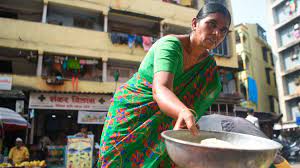
Kaam ki Kadar:The Ill-Treatment of Domestic Workers in Indian Households
Read more: Kaam ki Kadar:The Ill-Treatment of Domestic Workers in Indian HouseholdsDomestic workers operate in an unregulated, over-saturated sector, subjected to frequent exploitation. The historical devaluation of domestic labor in patriarchal societies has resulted in these abject working conditions. This is exacerbated by the caste and class-based discrimination pervading these employer-employee relationships and resulting in complicity with or active participation in inhumane practices. The privilege and…
-

Evolution of queer literature: from Lihaaf to Shikhandi
Read more: Evolution of queer literature: from Lihaaf to ShikhandiAlthough Ismat Chugtai’s Lihaaf is often cited as a beacon of queer indian literature in the early 20th century, a close scrutiny of its sub-texts and narrative shows how this attribute may not be entirely suitable to its premise. Several instances and inter-personal relationships, created by Chugtai, demonize queerness as exploitative, undesireable, and ugly. It’s…
-
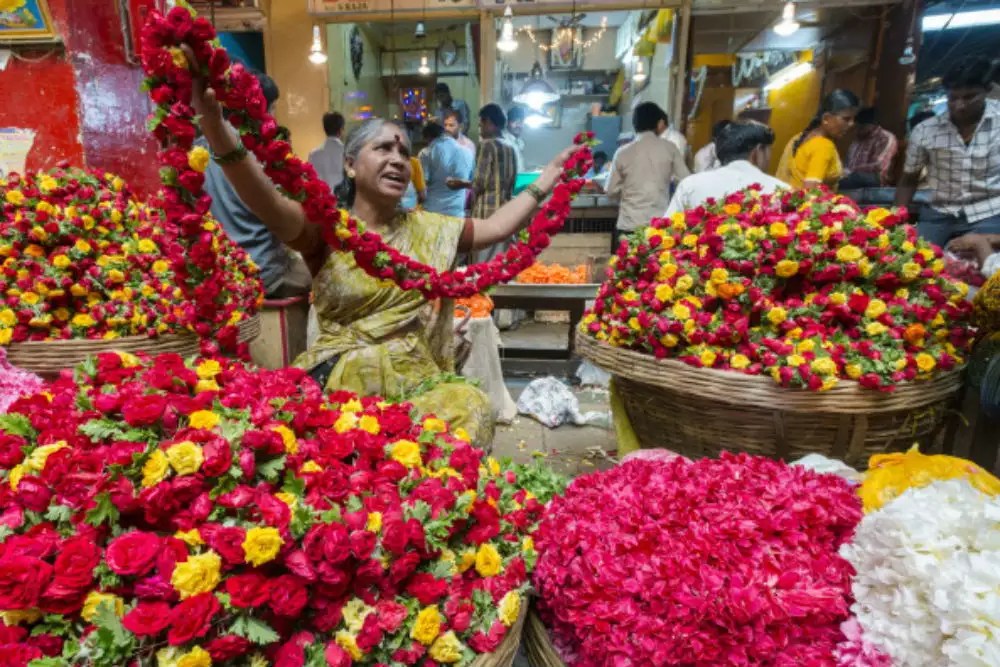
How to Get Away with Bad Policy: Covid-19 Lockdown and its Impact on Street Vendors
Read more: How to Get Away with Bad Policy: Covid-19 Lockdown and its Impact on Street VendorsPeople who form the backbone of a predominantly informal Indian workforce and economy have yet to reveal the full extent of the pandemic. Their hardships necessitate amplification through stories and statistics to paint a picture of what went wrong.
-
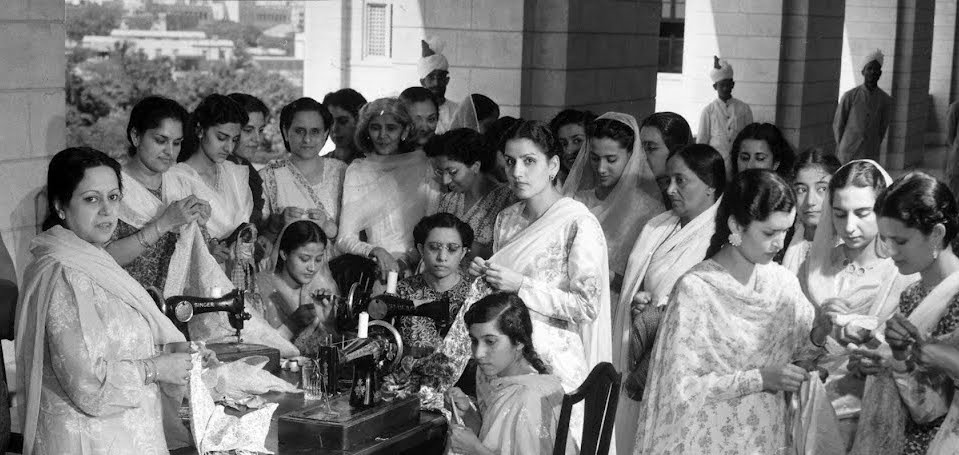
Saadat Hassan Manto: Stories of resistance, partition, and women
Read more: Saadat Hassan Manto: Stories of resistance, partition, and womenDespite the hardships and the trauma of surviving the partition, Manto wrote about women who were involved in the resistance. He wrote not only about women in elite households but also about those who resided on the fringes of society. Most of Manto’s stories contain women who are not dependent on men for their existence…
-
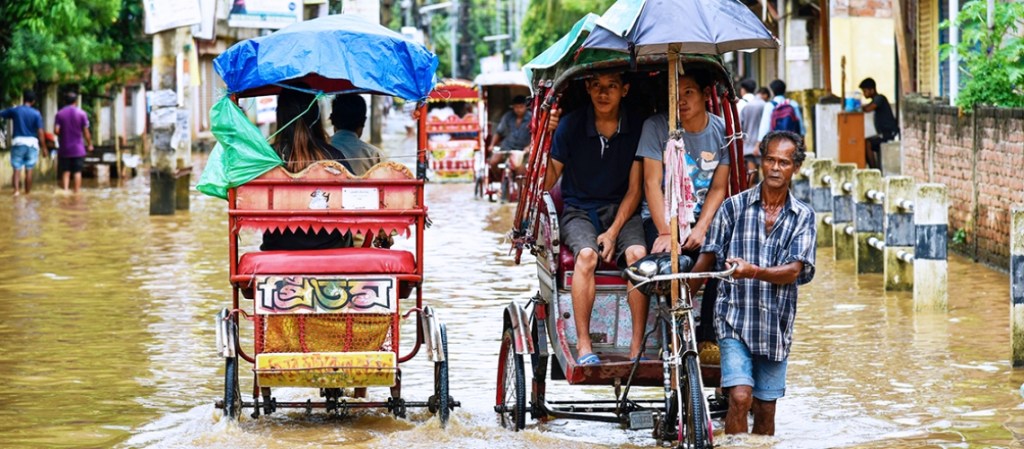
The Unseen Annihilation: A New Narration of the Threats facing South Asia – I
Read more: The Unseen Annihilation: A New Narration of the Threats facing South Asia – INot just the states, but South Asia as a region is facing an existential crisis. The urgency of these threats is underplayed by the gradual nature of their onset. Leaving them unresolved entails doom yet little urgency is observed in tackling them. There is a need for a new language which communicates the urgency of…
-
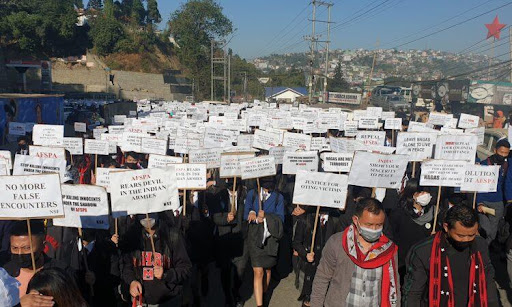
The Land of the Lawless:
Read more: The Land of the Lawless:The “Northeast” as addressed by its western counterparts, stands as an exceptional case against the efforts made by the post-colonial masters of India to build a multi-cultural, multi-religious and a multi-lingual democratic society. India’s tumultuous relations with this region has taken numerous faces in the form of laws, regional militias, ethnic and cultural oppression and…
-

Role of Constitutional Institutions in the persistence of Indian Democracy
Read more: Role of Constitutional Institutions in the persistence of Indian DemocracyIndian democracy has often baffled scholars and academicians, just by merely surviving. It was seen as a feat in itself by the west, particularly when democracy was considered a western concept. The Indian Constitution is often attributed to be one of the major factors contributing to the success of Indian democracy, forming a long and…
-

Ola, Uber and their drivers in Delhi: evaluating industry sustainability and future requirements
Read more: Ola, Uber and their drivers in Delhi: evaluating industry sustainability and future requirementsDespite the rosy picture painted by big MNCs like Ola and Uber for the average working Indian, the shocks and stresses felt by the aggregator taxi industry due to the recent coronavirus lockdown highlighted the need for welfare intervention by the State for the weaker sections.

Nickeled & Dimed
Penny for your thoughts?
We are accepting articles on our new email: cnes.ju@gmail.com
 NICKELED AND DIMED