-

Rethinking the Rupee: Internationalisation of the Indian Currency
Read more: Rethinking the Rupee: Internationalisation of the Indian CurrencyThis article seeks to deconstruct the growing narrative towards the internationalisation of the Indian Rupee as a global currency, situating it within the prevailing geopolitical climate, regulatory considerations, economic causes and impacts. This shall be unravelled with a specific focus on the legal and economic barriers to such implementation, the new Foreign Trade Policy 2023…
-

Contract of Indemnity and Guarantee
Read more: Contract of Indemnity and GuaranteeWhile the concepts of indemnity and guarantee differ in some ways, they are both systems of compensation with identical principles. The parallels and contrasts between the two are examined in this research. Indemnity, as defined under Section 124 of the Indian Contract Act, is a contract to keep a party indemnified against loss. A guarantee…
-

Rustom: Unravelling the Intricacies of Criminal Law in Bollywood’s Blockbuster
Read more: Rustom: Unravelling the Intricacies of Criminal Law in Bollywood’s BlockbusterThis article aims to undertake a comprehensive analysis of the legal implications depicted in a widely acclaimed film, elucidating its contribution to the comprehension of criminal law intricacies. By delving into the film’s narrative, this study seeks to unveil the complexities of criminal law involvement, thereby offering profound insights into its multifaceted dimensions. The film,…
-

Institutionalized Casteism: How Caste Atrocities Undermine Justice in Indian Law
Read more: Institutionalized Casteism: How Caste Atrocities Undermine Justice in Indian Lawhis second installment of a two-part series examines the film ‘Court,’ directed by Chaitanya Tamhane, through the lens of caste-based prejudice within the Indian legal system. Building upon the previous analysis of the film’s characters, this section delves deeper into the issue, unraveling the pervasive nature of institutionalized casteism that obstructs justice. Drawing insights from…
-

Caste, Music, and Poetry: Expressing Dissent and Challenging Institutionalized Casteism Throughout India
Read more: Caste, Music, and Poetry: Expressing Dissent and Challenging Institutionalized Casteism Throughout IndiaThis article explores the role of music and poetry as mediums for dissent against caste-based injustices in India, focusing on Kabir Kala Manch’s activism. It also analyzes the film ‘Court,’ highlighting how it critiques the Indian legal system and caste hierarchy through the trial of a Dalit poet-activist. This dual examination underscores the power of…
-
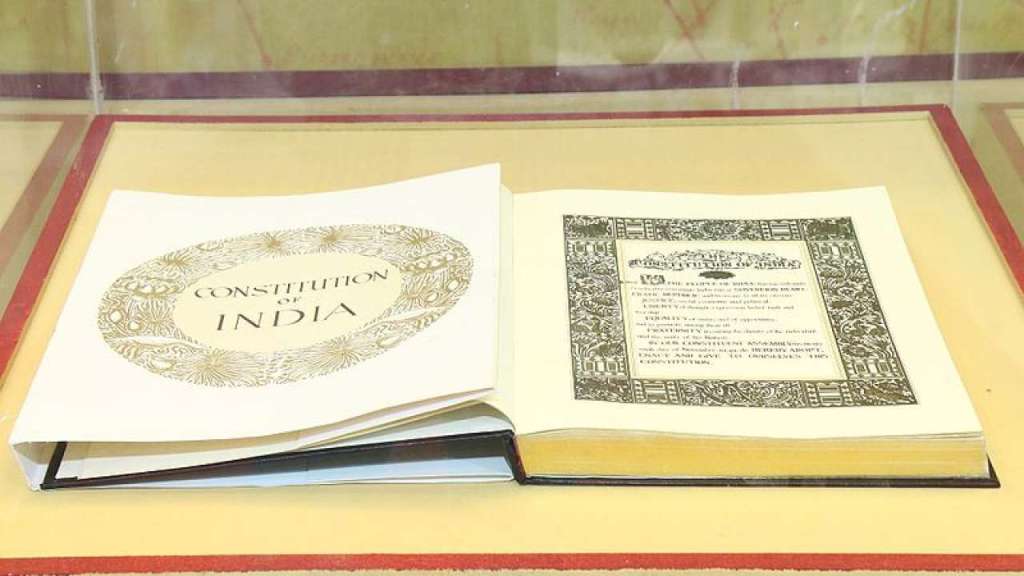
The Doctrine Of Separation Of Powers: Not the Best Course of Action for India?
Read more: The Doctrine Of Separation Of Powers: Not the Best Course of Action for India?The principles of democracy and freedom are ones that are inherently mentioned in the preamble of the Constitution. The makers of the Constitution had enforced a duty on the three organs of the government to uphold the same and to institute change in the society in parallel with societal needs. Throughout the course of this…
-

Applicability of the Registration Act, 1908 and the Property Act, 1882 with respect to the case of Hafeeza Bibi and Ors. v. Farid (2011)
Read more: Applicability of the Registration Act, 1908 and the Property Act, 1882 with respect to the case of Hafeeza Bibi and Ors. v. Farid (2011)Since 600 A.D., the idea of hiba has been recognised in Islamic jurisprudence. The giving of a gift is the act of transferring property. However, The Transfer of Property Act, 1882 is not relevant under Muslim law; rather, Muslim law itself governs the gift transfer. Muslims have a wide range of property division options under…
-

Analyzing the Queer Women Liberation and Dalit and Brahmin Patriarchy Through The Film ‘Geeli Pucchi’
Read more: Analyzing the Queer Women Liberation and Dalit and Brahmin Patriarchy Through The Film ‘Geeli Pucchi’Beginning with a brief explanation of the connections between caste, work, and sexuality, the article draws heavily on the view of a Dalit feminist on the lived experience of caste. As attested by the actor and director in their numerous interviews, it presents the chance to wonder if it is really possible to represent a…
-

Ordinance-Making Power: A Justification or an Abuse
Read more: Ordinance-Making Power: A Justification or an AbuseIn India, laws are enacted by the central and state legislatures, implemented by the national and state governments, and interpreted by the judiciary. The three institutions’ roles and authority, however, are frequently intertwined. The Constitution gives the President legislative power under Article 123, and also the Governors of the States are given legislative power under…
-

American Legal Realism in Contemporary Times
Read more: American Legal Realism in Contemporary TimesOliver Wendell Holmes (1841-1934), who is regarded as the “Spiritual Father of the American Realism Movement”, established the idea of American realism in jurisprudence. He presented the first methodology of realism in the year 1987 in his work “The Path of the Law”.
-

The Practicability of Private Zoos – A Comment on the recent Project by Reliance Industries
Read more: The Practicability of Private Zoos – A Comment on the recent Project by Reliance IndustriesState-owned zoos and other entities are generally deemed to be under more control, and regulated and are accountable to the citizens of the country and other international forums as compared to private bodies that thrive on autonomy. However, state-owned zoos are not the norm now-a-days, and private zoos have emerged as big players of the…
-

Comparative Analysis of RERA: Delhi & Mumbai
Read more: Comparative Analysis of RERA: Delhi & MumbaiThis piece does a comparative analysis of RERA Delhi and Mumbai with the aim to understand the features of both. This highlights the possibility of both acts interacting with each other in a mutually beneficial manner and resolving the issues each act might be facing.

Nickeled & Dimed
Penny for your thoughts?
We are accepting articles on our new email: cnes.ju@gmail.com
 NICKELED AND DIMED