-

Prison Reforms Through the Indian Legal System
Read more: Prison Reforms Through the Indian Legal SystemIt is a popular saying in most courts that if a Judge continuously denies bail or gives harsh punishments, they must be sent for a prison visit. After the Judge comes back, they will surely be more lenient in their verdicts because of the inhumane conditions that the prisoners live in. Many issues come to…
-
ONE NATION, ONE ELECTION: UNIFORMITY OR PLOY?
Read more: ONE NATION, ONE ELECTION: UNIFORMITY OR PLOY?Is the contentious idea of “one nation, one election” by the Ramnath Kovind Committee – the High-Level Committee on Simultaneous Elections on March 14, 2024, a risk worth taking in India? The central apprehension stems from its constitutional vulnerability in the domain of federalism. Under this framework, state legislatures must align their terms with those…
-

Navigating Challenges: Technology in Criminal Trials under BNSS (Bharatiya Nagarik Suraksha Sanhita)
Read more: Navigating Challenges: Technology in Criminal Trials under BNSS (Bharatiya Nagarik Suraksha Sanhita)The newly introduced draft of Bharatiya Nagarik Suraksha Sanhita (BNSS), which might replace CrPC will substantially change the procedure of Indian criminal trials with the inclusion of technology. The BNSS widely mentions the term “electronic communication” and its uses, starting from the pre-trial stage of an “FIR” to the trial stage of “examination of witness.”…
-

Synchronising democracy: Examining the Feasibility and Implications of ‘One Nation One Election’ in India
Read more: Synchronising democracy: Examining the Feasibility and Implications of ‘One Nation One Election’ in IndiaThis article explores the concept of “One Nation, One Election” (ONOE) proposed by the Indian government, aiming to synchronise the electoral cycles of the states with that of the Union. While ONOE promises administrative efficiency and financial savings, its implementation requires extensive constitutional amendments, raising concerns about federalism and democratic principles. The government’s justifications for…
-
Sync or Sink: India’s Simultaneous Election Conundrum
Read more: Sync or Sink: India’s Simultaneous Election ConundrumThe main focus of this article is to explore the existing election laws and procedures in India at both the national and state levels with the connection of examining it from the Government’s proposal ‘One Nation, One election’ which has been discussed many times from different bodies such as the Election Commission, The Law Commission…
-
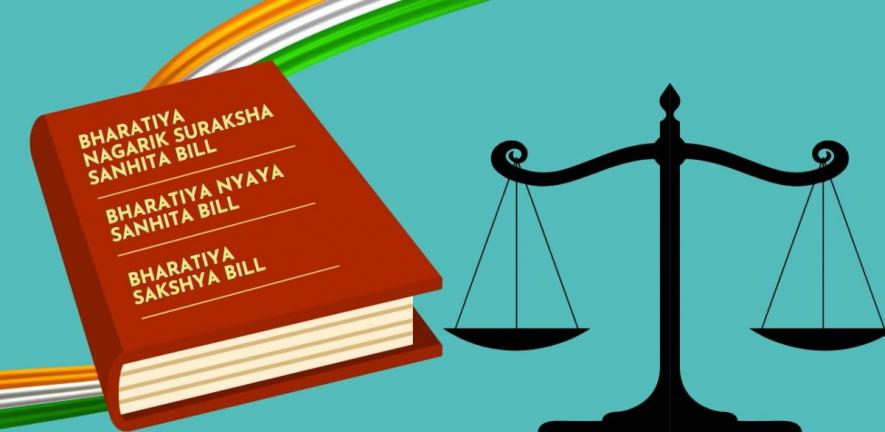
Reviewing the Three New Criminal Law Bills Passed and its Implications
Read more: Reviewing the Three New Criminal Law Bills Passed and its ImplicationsThis article critically analyses the aspects pertaining to the introduction of the three new bills replacing the existing laws which date back to colonial times and their impact in reforming the criminal justice system. The three newly enacted criminal laws – Bharatiya Nyaya Sanhita 2023, Nagarik Suraksha Sanhita 2023 and Bharatiya Sakshya Adhiniyam 2023 will…
-

Legal Reforms in Disarray: Analysing the Bharatiya Nyaya Sanhita Act and Its Democratic Implications
Read more: Legal Reforms in Disarray: Analysing the Bharatiya Nyaya Sanhita Act and Its Democratic ImplicationsAbstract- This essay breaks down recent legislative metamorphoses in India’s criminal justice landscape through the enactment of the Bharatiya Nyaya Sanhita Act, Bharatiya Sakshya Adhiniyam, and Bharatiya Nagarik Suraksha Sanhita. The expedited legislative process, suspension of dissenting voices, and the assimilation of anti-terrorism provisions in the BNS that mirror the UAPA elicit apprehensions as to…
-

Complications With The Three New Bills
Read more: Complications With The Three New BillsThe anticipated introduction of three new bills in India, aimed at reforming the criminal justice system, has sparked a vigorous debate. Advocating for reform is crucial, but upon closer examination, certain drawbacks become apparent. Modifications to evidence standards present risks of privacy invasion and manipulation, and decriminalised offences raise worries about the impact on society.…
-

A Critical Analysis on the European Union’s General Data Protection Regulation
Read more: A Critical Analysis on the European Union’s General Data Protection RegulationThis article traces the origins of the General Data Protection Regulation (GDPR), the toughest privacy and security law in the world, drafted and passed by the European Union, imposing obligations on organisations anywhere as long as they target or collect data regarding people in the European Union. It delves into the reasons for its incorporation…
-

NEWTON- A DAUNTLESS TAKE ON THE DANCE OF DEMOCRACY
Read more: NEWTON- A DAUNTLESS TAKE ON THE DANCE OF DEMOCRACYAmit Masurkar’s 2017 film “Newton” presents a unique exploration of democracy, elections, and governance in the context of rural India, particularly in rural India. This review delves into the exceptional performances, notably Rajkummar Rao as Newton, and the film’s witty writing. The movie skillfully weaves themes of patriarchy, caste, and government indifference into the narrative,…
-

Democracy On Trial- The case of The 1975 National Emergency
Read more: Democracy On Trial- The case of The 1975 National EmergencyAmong countless cases that have shaped Indian jurisprudence, the cases during the tumultuous period of the 1975 emergency, including that of Indira Gandhi v. Raj Narain, have been forever etched in history. A landmark, unprecedented constitutional law judgement reiterating democratic ideals, the case had resounding implications on the declaration of constitutional emergencies in India and,…
-

Live-In Or Live-In-Sin: Maintenance Under Non-Marital Relationships (Pt. II)
Read more: Live-In Or Live-In-Sin: Maintenance Under Non-Marital Relationships (Pt. II)Women can use this section to ask their “husband” or “father of their child” for maintenance. Courts have construed it to encompass women in committed, long-term partnerships that resemble marriage, even though it does not specifically name live-in partners—as long as certain requirements are met. Although this interpretation gives some optimism, it is still up…

Nickeled & Dimed
Penny for your thoughts?
We are accepting articles on our new email: cnes.ju@gmail.com
 NICKELED AND DIMED