-

Gender and Law: Reproductive Rights in Indian Jurisdiction
Read more: Gender and Law: Reproductive Rights in Indian JurisdictionThis article describes the recognition of reproductive rights as essential for women’s equality and has called for respect for women’s rights to autonomy and decision-making concerning pregnancy. The Indian Jurisdiction has developed a robust definition for ‘reproductive rights’ which reflect the term human right standards.
-

Is Capital Punishment Ethical?
Read more: Is Capital Punishment Ethical?The article will describe the status of capital punishment pre and post Independence era and will also discuss the question surrounding capital punishment as a necessity. Additionally, it will discuss the landmark judgment ‘Bachan Singh vs State of Punjab’ wherein the Supreme Court discussed the status of capital punishment and the legislation governing it
-

Fluid Moralities and Navigating Crisis: An explication of Fullerian Natural Law
Read more: Fluid Moralities and Navigating Crisis: An explication of Fullerian Natural LawThe school of thought that presumes an intimate relationship between Morality and Law is regarded as Naturalists with Lon Fuller as one of their key proponents. However, the position of the sovereign-state in Fuller’s conception of the law is undermined, and the severe Covid-19 Pandemic measures taken by different sovereigns have only established the ascendency…
-

Exploring the scope of Article 19(1)(b) in light of the recent protests in India
Read more: Exploring the scope of Article 19(1)(b) in light of the recent protests in IndiaThis article analyses the Article 19(1)(b) of the Constitution of India and its exceptions, in light of the recent protests. Looking at all these protests it tries to establish how the recent year was a year of protests in India; and, why every citizen of the nation should be aware of rights provided by the…
-
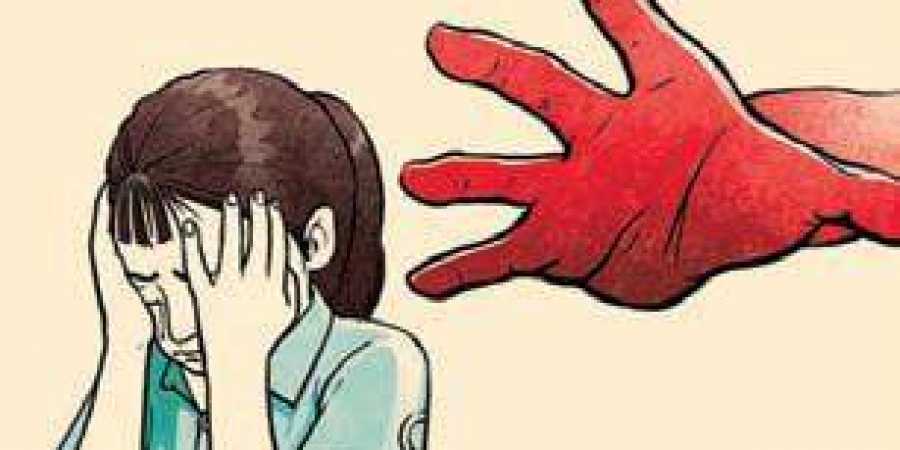
A Critical Analysis of the POCSO Amendment (2019)
Read more: A Critical Analysis of the POCSO Amendment (2019)Trigger Warning- Sexual Abuse, Assault, Rape This article seeks to critically analyse the POCSO amendment of 2019, focusing on the loopholes in the act, particularly critiquing the death penalty and finally looking at long term solutions to reduce child sexual assault.
-

Are the new Farm Bills Exploitative?
Read more: Are the new Farm Bills Exploitative?This article will analyze the Farm Bills 2020, the Essential Commodities (Amendment) Bill, the Agricultural Produce Marketing Committee (APMC) Bypass Bill, and Farmers (Empowerment and Protection) Agreement on Price Assurance and Farm Services Bill. This article seeks to identify if the farm bills are a boon or the bane for the economy.
-

The Ethical Conundrum of Mediation in Domestic Violence Cases
Read more: The Ethical Conundrum of Mediation in Domestic Violence CasesAlternate dispute resolution mechanisms have become an important tool of settlement, owing to their speedy nature of dispensing justice. These mechanisms provide for out of court settlements of matters at the convenience of the parties and with their consent. Mediation has thus gained popularity especially in matters related to family or matrimonial disputes.
-

Dharma: The Progenitor of the Concept of Human Rights
Read more: Dharma: The Progenitor of the Concept of Human RightsThis article critically analyses the Indian concept of Dharma; and relates it to the derivative evolution of the Human Rights Law and its modern ideals.
-
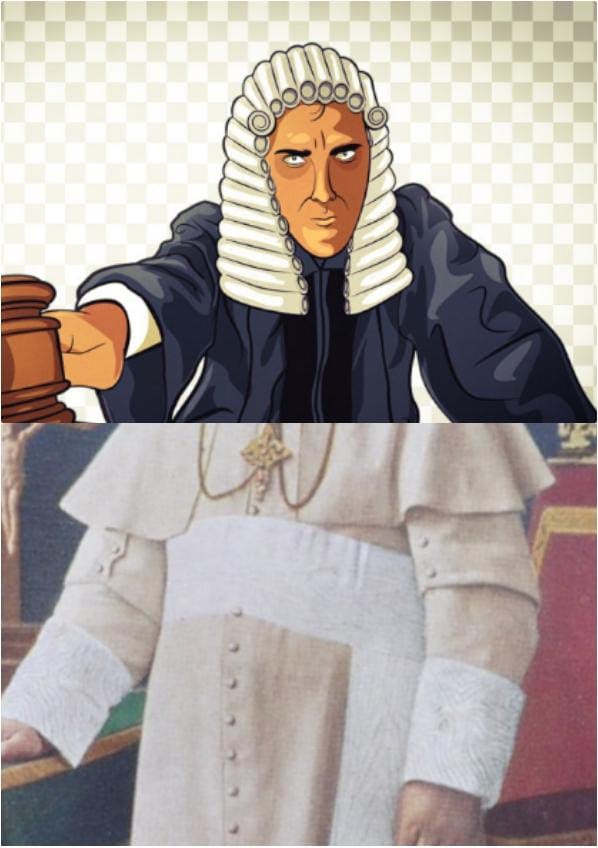
LL.B. pass Judge: a black robe and not a cassock!
Read more: LL.B. pass Judge: a black robe and not a cassock!“May it please Your Lordships, the counsel wants to humbly submit that you are wearing a black robe and not a cassock…” a law student candidly urged the bench in a moot court concerning the doctrine of Essential Religious Practice (“ERP Test”) as the moot point. This article takes us to the long unconcluded debate…
-

THE CONSTITUTIONAL DICHOTOMY OF ARTICLE 19(1)(A) AND ARTICLE 21 OF THE INDIAN CONSTITUTION
Read more: THE CONSTITUTIONAL DICHOTOMY OF ARTICLE 19(1)(A) AND ARTICLE 21 OF THE INDIAN CONSTITUTIONIn this article, the author has addressed a constitutional question that has been recently framed in the case of Kaushal Kishor v. State of U.P. The question is related to the interplay of Article 19(1)(a) and Article 21 of the Indian Constitution. The author has analysed the related jurisprudence and has given his viewpoint regarding…
-

Irretrievable Breakdown of Marriage: Need for a No Fault Principle to Grant Divorce
Read more: Irretrievable Breakdown of Marriage: Need for a No Fault Principle to Grant DivorceThis article analyses the need for ‘irretrievable breakdown of marriage’ as a no-fault principle to grant divorce by deviating from the age-old fault-theory. It also discusses the jurisprudence of this principle laid down by the Supreme Court.
-

Daughter’s Rights to Coparcenary Property
Read more: Daughter’s Rights to Coparcenary PropertyThis article critically analyzes how the recent Supreme Court judgment of coparcenary property rights for women is trying to resolve the patriarchal norm in the society.

Nickeled & Dimed
Penny for your thoughts?
We are accepting articles on our new email: cnes.ju@gmail.com
 NICKELED AND DIMED