-

Fashion Diplomacy: First wives and Fashion Statements
Read more: Fashion Diplomacy: First wives and Fashion StatementsThis article delves into how fashion is used as a tool of diplomacy by First Wives. It uses a comparative analysis between Melania Trump’s and Michelle Obama’s sartorial choices to portray the difference between people’s perceptions of America’s sovereignty.
-
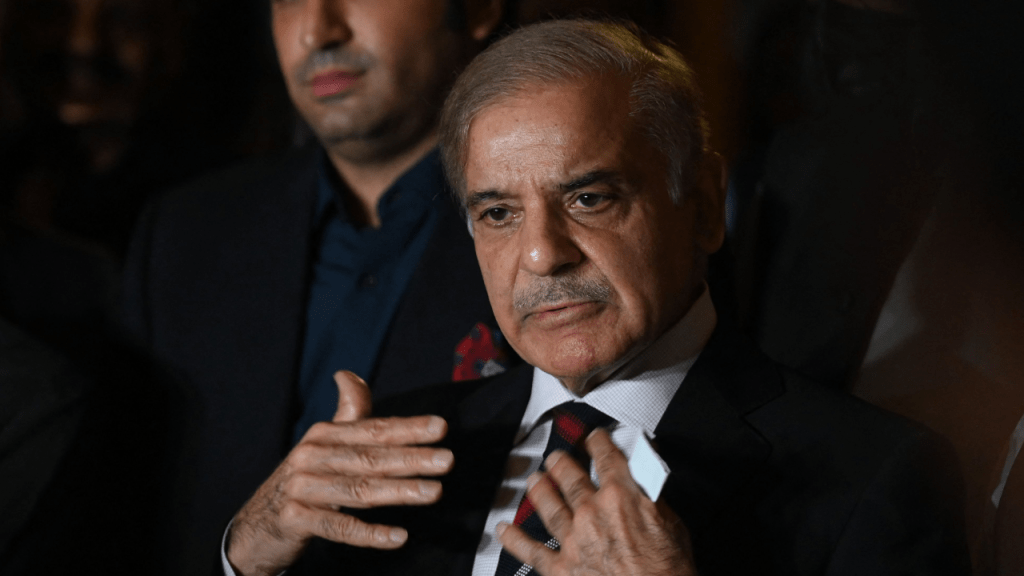
With New PM Shehbaz Sharif Sworn in, a Look at what Lies Ahead for Pakistan
Read more: With New PM Shehbaz Sharif Sworn in, a Look at what Lies Ahead for PakistanNew Pakistan PM, Shehbaz Sharif’s key priorities will be addressing the country’s economic challenges, keeping a disparate coalition of right-wing and left-leaning parties together and a foreign policy less hostile to the west. While with India, people-to-people ties could get a boost and there is scope for resumption of bilateral trade via the Wagah-Attari land…
-
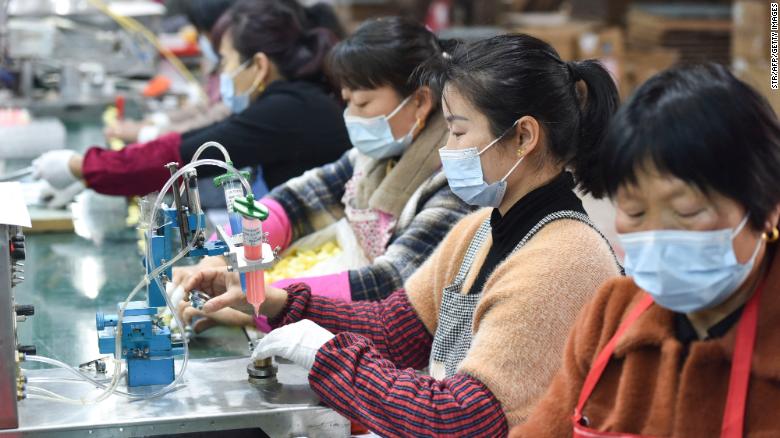
China’s Economic Slowdown and the Likely Impact on its Foreign Policy
Read more: China’s Economic Slowdown and the Likely Impact on its Foreign PolicyChina’s economy has witnessed a slowdown due to a number of reasons – stringent lockdowns to prevent the spread of covid19, some of Xi Jinping’s tough measures pertaining to sectors such as real estate. In recent weeks, there is a realisation that China needs a course correction and senior officials have made statements in this…
-
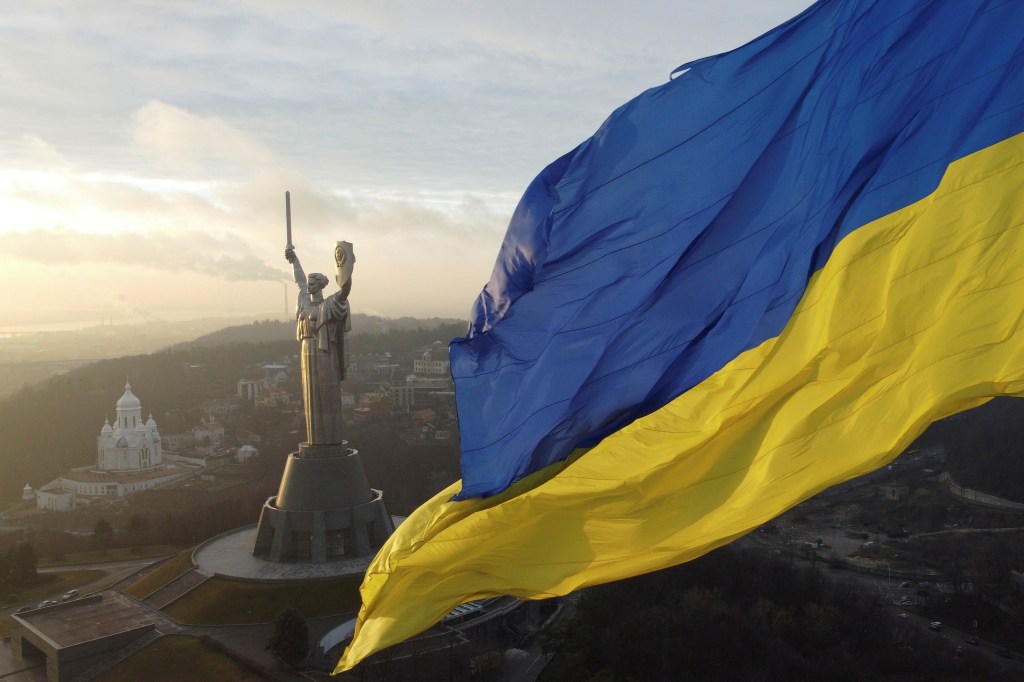
Conflicting Ideas and Contested Geographies: The Role of History in Explaining the Russia-Ukraine Crisis
Read more: Conflicting Ideas and Contested Geographies: The Role of History in Explaining the Russia-Ukraine CrisisThis article takes a historical view of the Russian-Ukraine conflict to understand the idea of nationality, sovereignty, shared geographies. In doing so, it tries to make sense of the ongoing conflict to argue how history plays a dominant role in this conflict.
-

India’s Stance on Ukraine: Will it Impact Quad?
Read more: India’s Stance on Ukraine: Will it Impact Quad?This article examines how India’s stance vis-à-vis Russia, on the Ukraine crisis has been different from other Quad members. While the US has not publicly criticised India it remains to be seen as to how New Delhi’s decision to not criticize Russia and purchase oil will impact the New Delhi-Washington relationship.
-
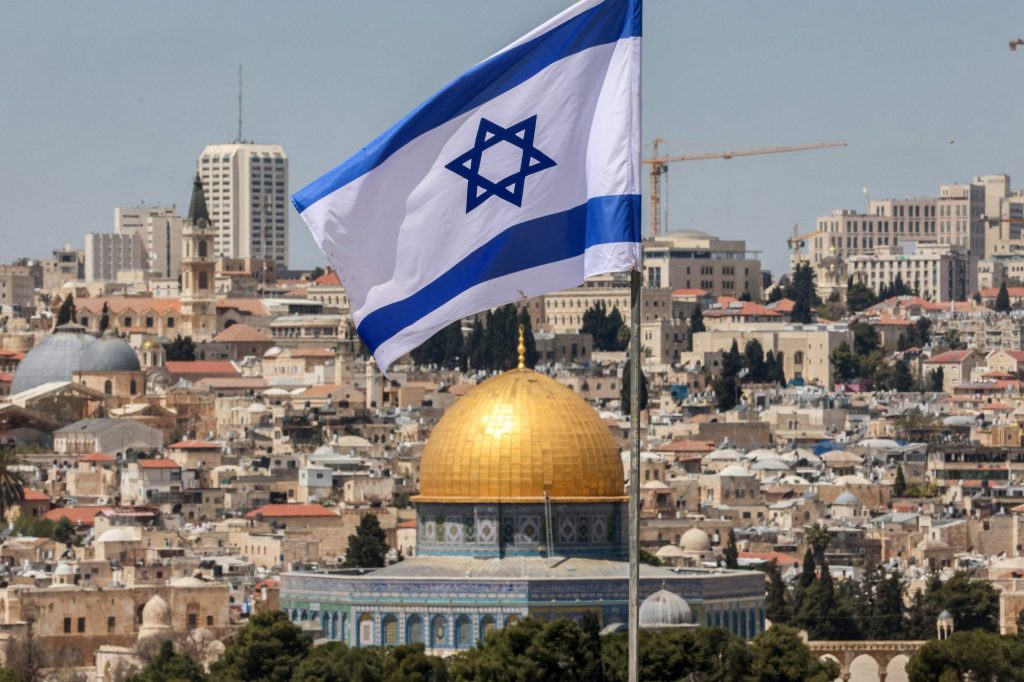
Tracing the Origins of Israel’s Diplomatic Relations and Foreign Policy
Read more: Tracing the Origins of Israel’s Diplomatic Relations and Foreign PolicyThis article looks at the history of Israel’s diplomatic relations dating back to the 1940s during which the Jewish state transformed straight from a non-state entity to an internationally recognized modern nation-state. Additionally, it particularly explores the significance of the strategic partnership between Israel and the United States and its key role in Israel’s foreign…
-
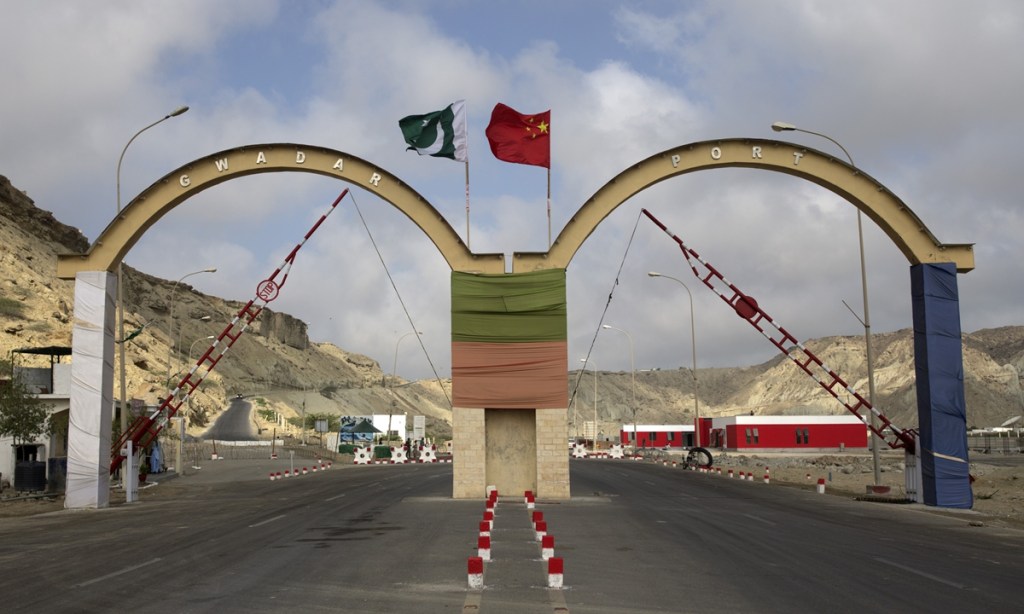
The China Pakistan Economic Corridor – A Game-changer for Pakistan or a Project Doomed to Fail?
Read more: The China Pakistan Economic Corridor – A Game-changer for Pakistan or a Project Doomed to Fail?Given the numerous benefits expected from the megaproject, CPEC, which has been regarded as a “game-changer” for Pakistan and a “corridor that must not fail” for China, it is critical to assess the situation on the ground before making any unrealistic claims about what CPEC can bring about.
-

Pakistan’s Increasingly Strained Relations with the West
Read more: Pakistan’s Increasingly Strained Relations with the WestPakistan’s ties with the US have witnessed a downward slope as a result of its increasing proximity to China in recent years. Pakistan PM, Imran Khan’s decision to visit the US amid the Russia-Ukraine crisis, and its decision to not support a US-sponsored resolution against Russia for its aggression vis-à-vis Ukraine have led to a…
-
Why US Sanctions Work
Read more: Why US Sanctions WorkAn unhyphenated account of how US sanctions came to dominate the international financial order. It touches upon the contingencies that culminated in the concentration of the international political economy around the US and its allies: a major pain point for those lying outside the West’s grace.
-

Qatar-Iran Relations and the Changing Landscape of the Middle East
Read more: Qatar-Iran Relations and the Changing Landscape of the Middle EastIranian President Ebrahim Raisi’s visit to Qatar was important for a number of reasons. It was the first visit to a Gulf country by Raisi, at a time when negotiations related to revival of the Iran Nuclear deal were going on, and days before Russia’s military invasion of Ukraine.
-

Towards De-exceptionalizing the Middle East: Navigating Between Theory and History
Read more: Towards De-exceptionalizing the Middle East: Navigating Between Theory and HistoryWhat is the history of a place? What happens when that history comes into contact with the forces of modernity? The answer to all these questions comprehensively lie in the increased exceptionalization of that place.
-

Threat Perception Posed By Tehrik-e-Taliban Pakistan On Pakistan-Afghanistan Relations
Read more: Threat Perception Posed By Tehrik-e-Taliban Pakistan On Pakistan-Afghanistan RelationsIn this article, the author tries to delve into the historical significance of TTP and how it is raising tensions for Pakistan-Afghanistan Relations.

Nickeled & Dimed
Penny for your thoughts?
We are accepting articles on our new email: cnes.ju@gmail.com
 NICKELED AND DIMED