-
Is AI the New Raj?
Read more: Is AI the New Raj?By — Hansin Kapoor Abstract As India integrates Artificial Intelligence into its digital public infrastructure, a critical tension arises between technological efficiency and cultural plurality. This article examines whether AI is acting as an agent of monoculture by streamlining India’s vast linguistic and social diversity into machine-readable formats. By applying the lens of social…
-

A Recipe for Cultural Transmission Across Time Zones
Read more: A Recipe for Cultural Transmission Across Time ZonesBy – Apoorva Lakshmi Kaipa Abstract In an age of technological disruptions and cultural fragmentation, the post-modernistic households and families learn to work between preservation and adaptation, proximity and distance, tradition and innovation. When my mom is making a specialty dish that she doesn’t normally make she immediately calls my grandma and asks what the…
-
Democracy in Name? An Ambedkarite Analysis
Read more: Democracy in Name? An Ambedkarite AnalysisBy -Chandril Ray Chaudhuri Abstract “Democracy will not work for the simple reason we have got a social structure which is totally incompatible with parliamentary democracy.”-Dr. B.R. Ambedkar Indian democracy is largely treated as a success story based on how elections have been held on time, the people have voted and the constitution has endured…
-
Dissent without Disruption
Read more: Dissent without DisruptionBy — Apoorva Lakshmi Kaipa Abstract Dissent is not a disruption of democracy but is its core value. It supports deliberation, accountability and progress. This article explores why dissent remains essential in today’s world and how it deepens the richness of democratic life. Drawing on historical and modern conditions, it argues that while dissent is…
-

Silk Gloves and Bloodied Hands: The Gentlemen and the Global Underbelly of Aristocratic Crime
Read more: Silk Gloves and Bloodied Hands: The Gentlemen and the Global Underbelly of Aristocratic CrimeBy — Hansin Kapoor Abstract This review offers an interdisciplinary critique of The Gentlemen, examining criminality as an inherited legacy and economic necessity within globalised crime economies. By foregrounding the victim – offender overlap, the series disrupts binary crime narratives and exposes the convergence of legality, privilege, and deviance. Through comparative socio-legal parallels with Bollywood…
-
Learning, Unlearning & Re-learning : On Democracy and Education In India
Read more: Learning, Unlearning & Re-learning : On Democracy and Education In IndiaBy — Poorvanshi Tyagi Abstract Education and democracy go hand in hand when it comes to human emancipation and development. A major chunk of studies suggests positive correlation of liberal democracies with higher literacy and education statistics. How do education and democracy work in the Indian context? Does the Indian education system leave any space…
-
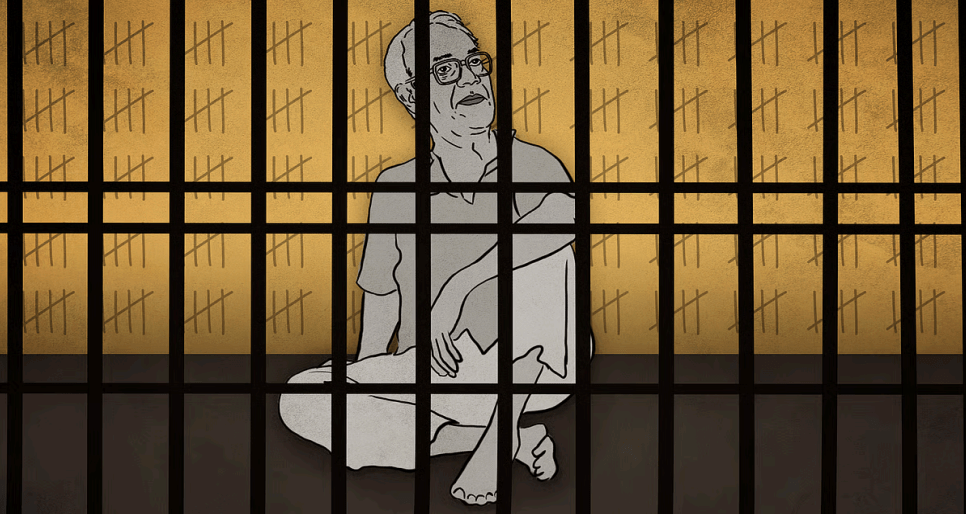
Cells, Codes, and Second Chances
Read more: Cells, Codes, and Second ChancesBy – Hansin Kapoor Abstract This article critically compares the prison law frameworks of Japan and India, examining the evolution of their statutes and prison manuals in relation to prisoners’ rights and rehabilitation. While Japan’s system, historically marked by strict discipline, has moved toward a rehabilitative model, India’s prison regime, rooted in colonial legislation, operates…
-
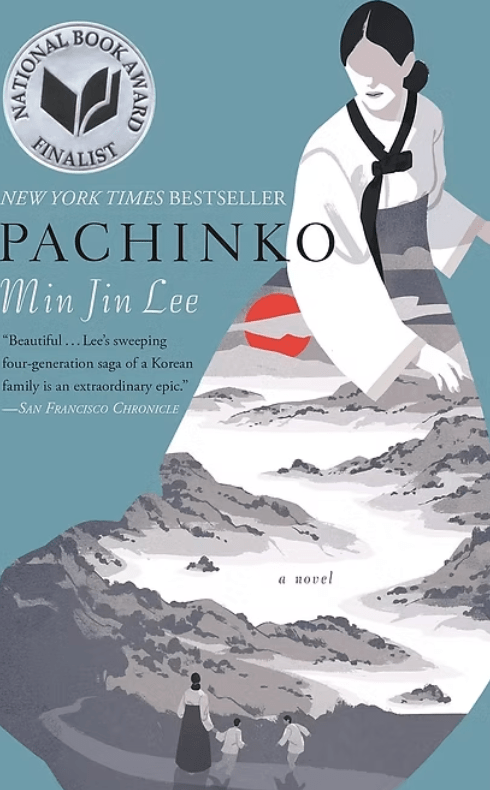
Garlic, Ghettoes and the Myth of Homogeneity : Zainichi Koreans, Structural Marginalisation and Shame in Min Jin Lee’s Pachinko
Read more: Garlic, Ghettoes and the Myth of Homogeneity : Zainichi Koreans, Structural Marginalisation and Shame in Min Jin Lee’s PachinkoBook review – Pachinko by Min Jin Lee By – Apoorva Lakshmi Kaipa About the book/ Abstract The book is a family saga that spans the years 1910-1989. It begins with Yangjin marrying into a family and follows her daughter Sunja, Sunja’s sons Noa and Mozasu, and Mozasu’s son Solomon. It beautifully captures the generational…
-
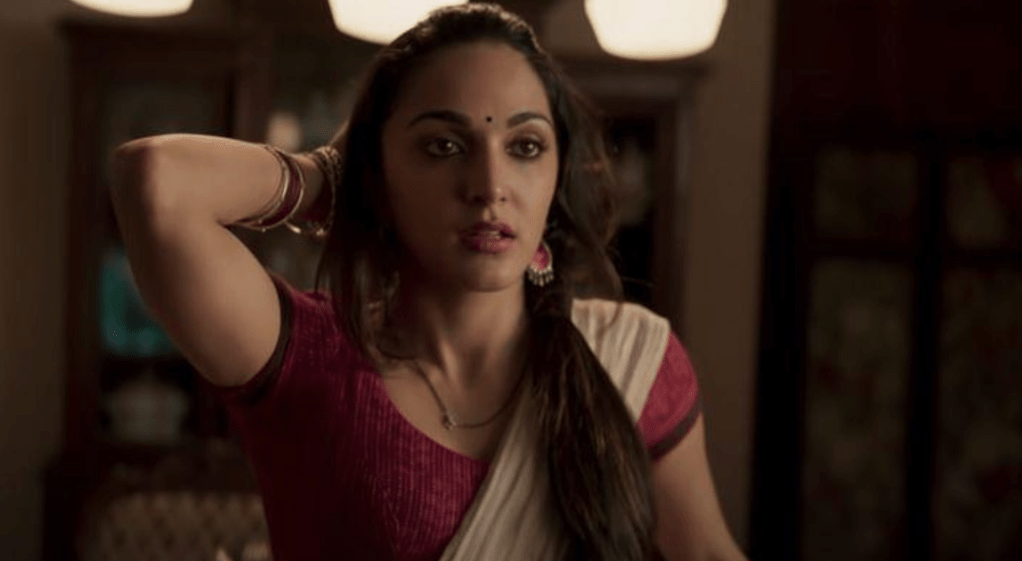
The Unwritten Realities of Desire & Sexuality – On Representation Of Sexual Imagery In Bollywood
Read more: The Unwritten Realities of Desire & Sexuality – On Representation Of Sexual Imagery In BollywoodBy – Poorvanshi Tyagi Abstract Cinema’s interplay with realities of sexual desire and physical intimacy often overlap with cultural notions and societal perceptions of sexuality. The role of cinema in portraying desire and sexual attitudes remains contested in India due to public perception and discourse on the same. This article explores the portrayal of sexed…
-
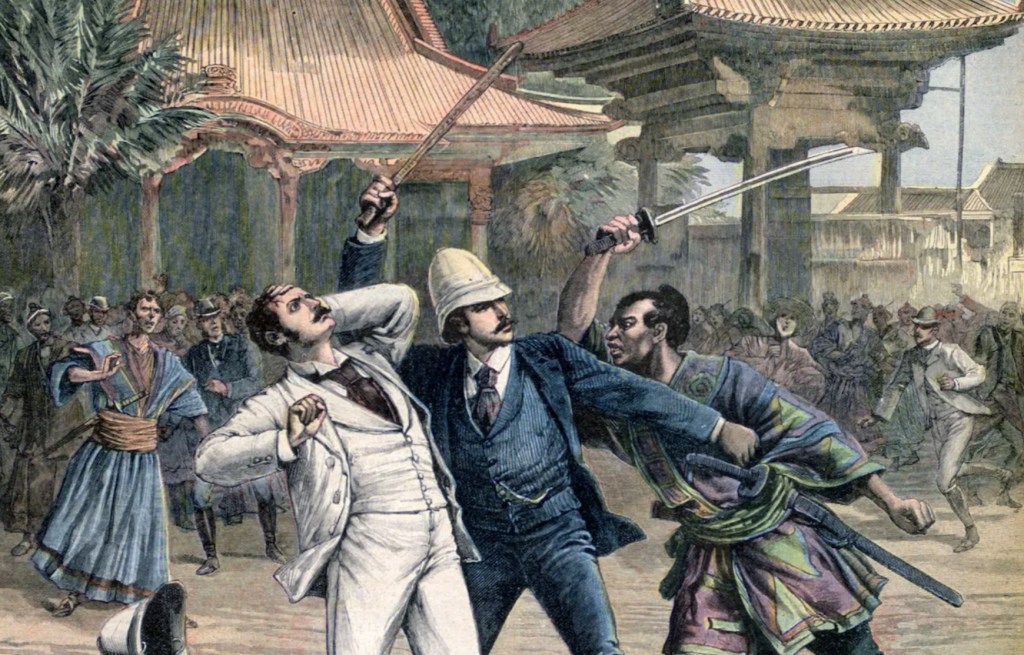
Tsuda Sanzo : The Man who Struck the Tsar
Read more: Tsuda Sanzo : The Man who Struck the TsarBy — Nandini Pandey Abstract The Meiji Empire restored to Japan in the 19th century had ideas that envisioned their nation as the colonial power of Asia, cultivating feelings of nationalism and Japanese superiority over external forces. A product of this sentiment of loyalty of the population towards their nation was Tsuda Sanzo. Devoted to…
-

Who Wins: Law or Lore?
Read more: Who Wins: Law or Lore?By — Hansin Kapoor Abstract India’s police are fighting a battle not only against crime but also against fear, faith and folklore. From the burning of homes in Bihar to daring rescues in Meghalaya, police often find themselves in villages ruled by superstition rather than law. Witch-hunting and black magic killings unveils how belief can…
-
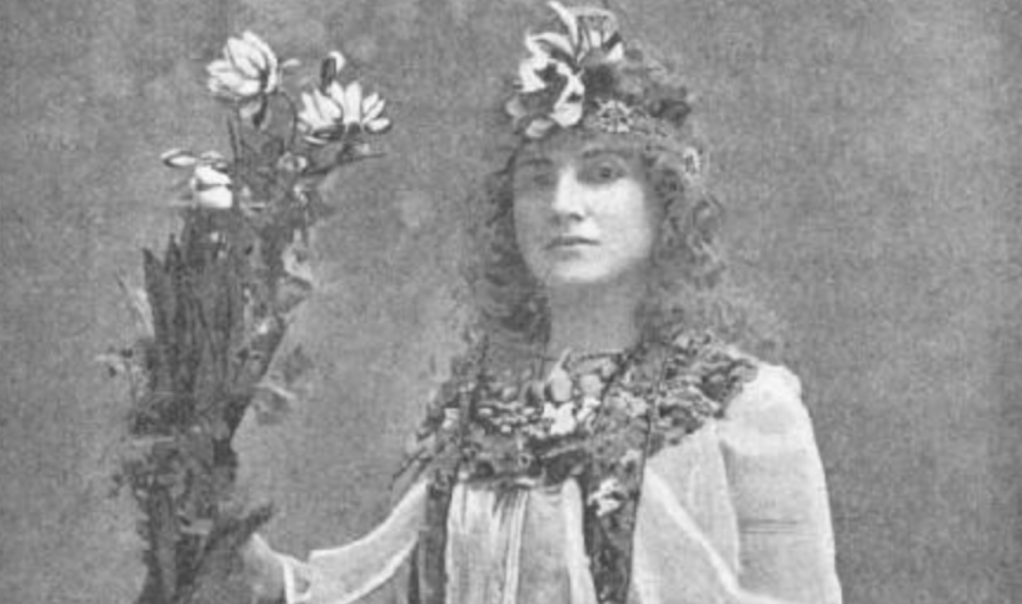
The Magical Empowerment : How Organizations Helped Promote the Women of the Occult
Read more: The Magical Empowerment : How Organizations Helped Promote the Women of the OccultBy – Nandini Pandey Abstract An imbalance in occult practices for centuries had resulted in an oppression towards its women practitioners, who were seen as witches, easily possessed, a threat to society. Such long-drawn oppression and imbalance was countered and repealed by two modern occult groups : The Theosophical Society, and the Hermetic Order of the…

Nickeled & Dimed
Penny for your thoughts?
We are accepting articles on our new email: cnes.ju@gmail.com
 NICKELED AND DIMED