-

Women in Dynastic Politics – The Future?
Read more: Women in Dynastic Politics – The Future?The article explores the curious phenomenon of women in politics in India being from dynasties. It asks the question of how representative this phenomenon can be. It is the second article in the series ‘Women in Politics’.
-

Women in Politics
Read more: Women in PoliticsThis article examines the global underrepresentation of women in the political sphere and highlights the social and economic reasons behind the disparity, as well as the importance of rectifying it. It is the first piece in the series ‘Women in Politics’.
-
Violence Against Rural Women in Relation to Land Rights
Read more: Violence Against Rural Women in Relation to Land RightsAccording to WHO, one in three women worldwide has experienced physical or/and sexual violence. However, Violence against women does not only entail physical or sexual violence but, takes many other forms such as psychological violence, or economical violence that is often overlooked. In this podcast, Dr. Soma and Ms. Poonam would draw the listener’s attention…
-
The Role of the Civil Society: Changing Social Prejudices.
Read more: The Role of the Civil Society: Changing Social Prejudices.Tanya Malik. The focus of the Streedhan Association of Women’s Development is on educational intervention and social advocacy. Prior to this, I worked with an organisation in Mumbai, which dealt with women who face domestic violence in Maharashtra. What I realised with my experience, is that there is an immense knowledge gap when it comes…
-
Deconstructing the Treatment of Women as Property
Read more: Deconstructing the Treatment of Women as PropertyEngagement of women in active paid employment has increased more than tenfold in the past century in the United States. Much of it can be attributed to the feminist propaganda spread by the government to keep the economy of the county afloat while all able bodied men were deployed on the front in the European…
-

Structural Gender Based Violence: Women and Workplace
Read more: Structural Gender Based Violence: Women and WorkplaceIn conversation with Dr. Albeena Shakil. Q. Constitutional laws on the prevention of women’s harassment, in principle, with regards to their treatment in the workplace exist within India, such as the Sexual Harassment of Women at Workplace (Prevention, Prohibition and Redressal) Act. Despite existing, there is a lack of proper implementation, and a plethora of…
-
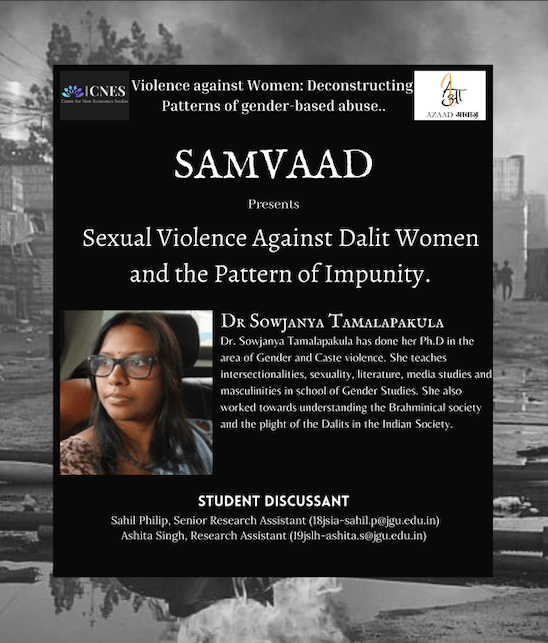
Sexual Violence Against Dalit Women and the Pattern of Impunity
Read more: Sexual Violence Against Dalit Women and the Pattern of ImpunityIn this Samvaad discussion, Dr. Sowjanya Thamalpakula from the Tata Institute of Social Sciences guides us through the sexual violence committed against Dalit women and the pattern of impunity one can observe. She starts with discussing the Nirbhaya case that happened in 2012. In the process, she discusses in length of what might have actually…
-

Understanding Domestic Abuse Signs, Responses & The Way Forward
Read more: Understanding Domestic Abuse Signs, Responses & The Way ForwardPAIGAM Network and Sangh Collective, in conversation with Urvashi Batalia, discussed the issue of the rise in domestic abuse cases as a result of lockdown in India. The COVID-19 pandemic brought the whole world to a halt and forced everyone to lock up and stay home. While this was the only solution available to prevent…
-

BOOK REVIEW: ‘HINDU RULERS, MUSLIM SUBJECTS’ BY DR. MRIDU RAI
Read more: BOOK REVIEW: ‘HINDU RULERS, MUSLIM SUBJECTS’ BY DR. MRIDU RAIMuch of the history of Jammu and Kashmir has been written from the lens of ongoing territorial conflict between the nations of India and Pakistan. Within such a narrative a complex story of the Princely past of the state gets lost and we tend to forget the territorial limits of Indian nationalism as it existed.…
-
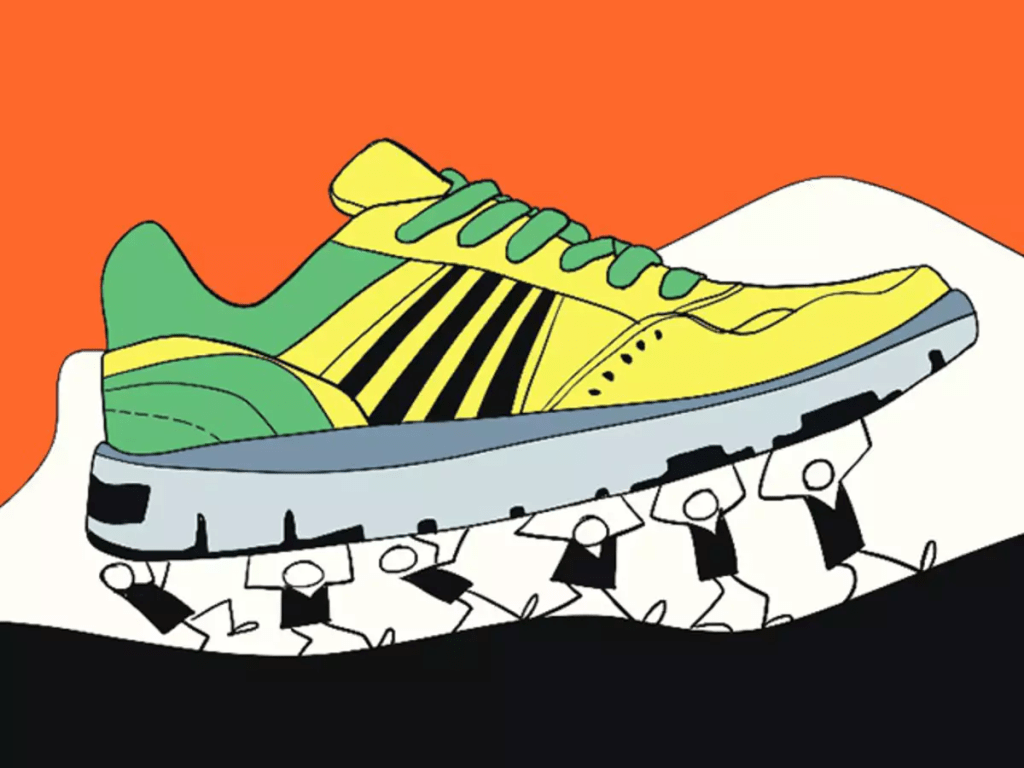
Is the footwear industry putting their best foot forward?
Read more: Is the footwear industry putting their best foot forward?India is the second-largest producer and second-largest consumer of footwear globally. Post-covid demand for formal footwear has been deeply impacted while that of open (casual) footwear has seen a good revival. In this article, Ashu Jain analyses the footwear industry in India.
-

Cooking-Fuel Choice and Time-Use of Women
Read more: Cooking-Fuel Choice and Time-Use of WomenThe article looks at data and the nature of biofuels and other fuel choices for cooking to understand the participation of women in different economic and non-economic activities.
-
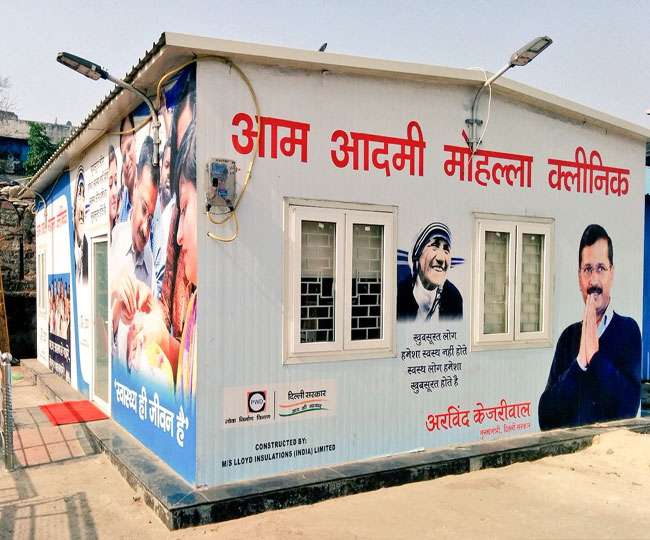
Mohalla Clinics: A way to achieve Universal Health Coverage
Read more: Mohalla Clinics: A way to achieve Universal Health CoverageThis article talks about the Mohalla Clinics, which was initiated by the Aam Aadmi Party Government in New Delhi, with an aim to provide community-level primary healthcare. The authors also discuses its’ basic services offered through the lens of overall coverage of the scheme.

Nickeled & Dimed
Penny for your thoughts?
We are accepting articles on our new email: cnes.ju@gmail.com
 NICKELED AND DIMED