-
Witchcraft in Colonial India: The Politics of the Occult
Read more: Witchcraft in Colonial India: The Politics of the OccultBy – Tanishka Shah Abstract The history of witchcraft in colonial India is not merely a record of superstition and savagery, as British officials often portrayed it. It is a layered history of gendered violence, cultural misunderstanding, and epistemic domination. The figure of the witch was not simply an embodiment of rural superstition but a…
-

The Historical Transformation of Supernatural Beliefs
Read more: The Historical Transformation of Supernatural BeliefsBy -Apoorva Lakshmi Kaipa Abstract This article looks into the history of practices labelled as witchcraft or attributed to supernatural forces that we understand scientifically today. Centred on the Salem witch trials and witch hunts in Europe, the article details how epilepsy, mental illness, and possibly ergot poisoning were wrongly interpreted as diabolical possession or…
-
Personality Rights: A Legal and Social Conundrum
Read more: Personality Rights: A Legal and Social ConundrumBy — Srisoniya Abstract Personality rights safeguard an individual’s identity against unauthorised commercial use. Personality rights attach to an individual, particularly someone well-known in the public eye, such as a celebrity, whose identifiable traits may be misused for monetary gain. This article explores the scope of personality rights through perusing the existing statutory framework and…
-

AI in Mental Health
Read more: AI in Mental HealthBy – Simar Kaur Abstract AI has become more than just a tool; it now operates within the most intimate spaces of our personal lives, offering therapy, companionship, etc. Chatbots like “Replika” and “Character.ai” are marketed as AI companions. While these technologies democratize care by being accessible, affordable and stigma-free, they also carry significant risks.…
-

Decolonising Compliance: How Global South States Reimagine Accountability Beyond Northern Blueprints
Read more: Decolonising Compliance: How Global South States Reimagine Accountability Beyond Northern BlueprintsBy – Vansh Aggarwal Abstract This article examines how the Global North’s fixation on formal compliance frameworks, from human rights monitoring to anti-corruption laws, often misreads the Global South’s contextually rooted mechanisms of accountability. It argues that these Northern paradigms, built on institutional transparency and quantifiable governance indices, fail to capture informal, community-driven, and restorative…
-
Why the Far Left Disagrees with Woke Culture
Read more: Why the Far Left Disagrees with Woke CultureBy – Chandril Ray Chaudhuri Abstract Will the system of oppression persist if social inequalities are solved but not economic disparity? A resounding no is the answer in the far-left school of thought. Whereas an activist can call themselves woke and emphasize identity politics, race, gender, sexuality, and other identifying signs, communists and deep-red theorists…
-
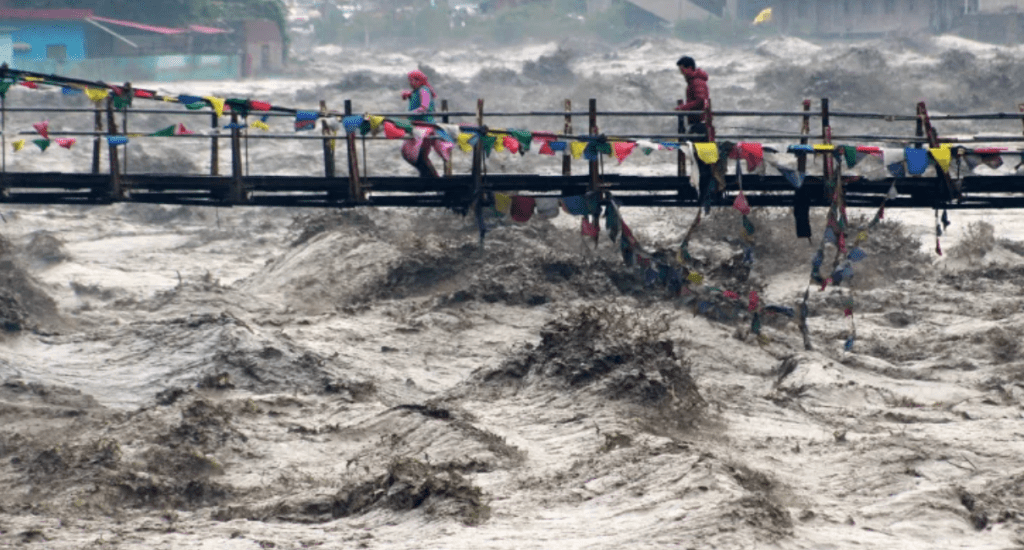
Why “Natural” Disasters in India Are Increasingly Man-Made
Read more: Why “Natural” Disasters in India Are Increasingly Man-MadeBy – Varsha M Introduction In the past month, Punjab, Himachal Pradesh, and Haryana have faced severe flooding after the heavy monsoon rains drove the Sutlej, Beas, Ravi, and Ghaggar rivers to overflow. As a result, over 1,900 villages were submerged, nearly half a million acres of crops were destroyed, and atleast 48 lives were…
-

Realism and Asymmetry in a New Era of India-China Relations
Read more: Realism and Asymmetry in a New Era of India-China RelationsBy – Delisha Clara Rao Abstract India-China relations in 2025 reveal both the persistence of asymmetry and the persistence and resilience of realist logic in international politics. This article examines how strategic interests drive cooperation and competition between the two Asian powers. It situates recent developments ranging from the Galwan clash and trade frictions to…
-
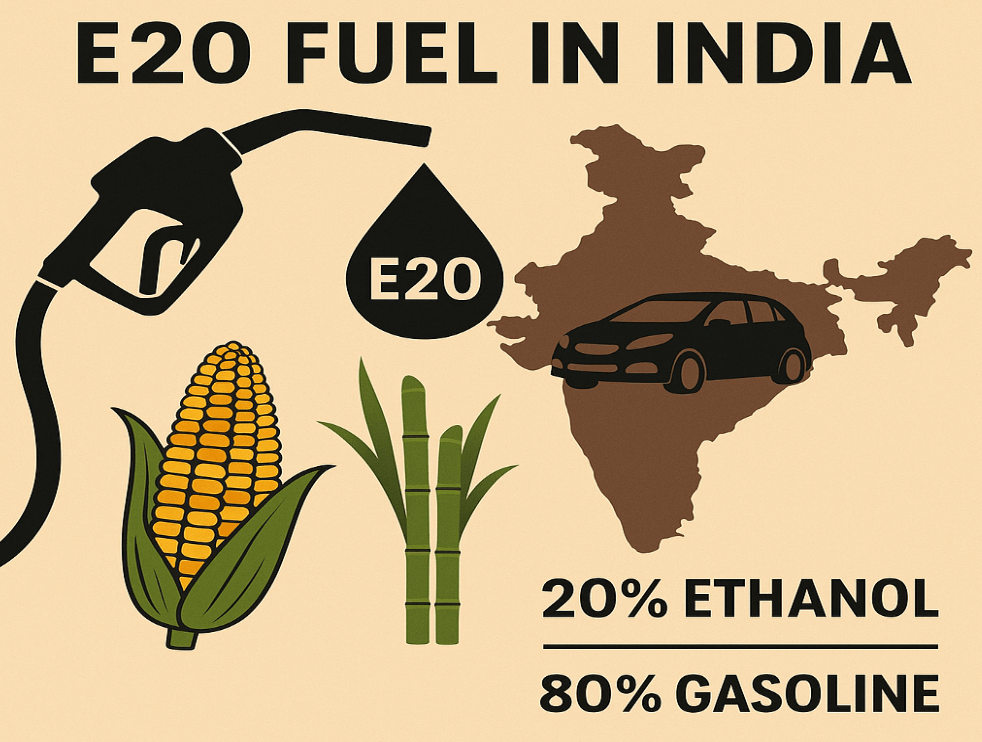
E20 FUEL IN INDIA- A GREEN ROADBLOCK
Read more: E20 FUEL IN INDIA- A GREEN ROADBLOCKBy – Aashrith Rajesh Abstract India’s shift to the E20 blend aims to cut pollution and reduce crude oil imports but faces major economic and practical challenges. Ethanol while being renewable, corrodes fuel systems since the older vehicles are not equipped for this higher ethanol content. On the supply side, diversion of sugarcane for the…
-

Cultural Commodification or Legal Empowerment? WTO’s GI and India’s TKDL
Read more: Cultural Commodification or Legal Empowerment? WTO’s GI and India’s TKDLBy – Srisoniya Subramoniam Abstract Geographical Indications (GIs) are important tools within the World Trade Organization’s framework, as they protect products linked to origin and tradition. While the intention was to safeguard indigenous heritage, debates persist over whether such measures have inadvertently transformed culture into a commercial asset. This article examines this dual nature of…
-

Poor Economics: A Radical Rethinking of the way to fight Global Poverty (Chapter IV: Top of the class)
Read more: Poor Economics: A Radical Rethinking of the way to fight Global Poverty (Chapter IV: Top of the class)By — Ayushmaan Abstract: Chapter IV of Poor Economics: A Radical Thinking of the Way to fight Global Poverty challenges the practice of “One size fits all” education polices that were prominent in Asian Countries. Despite receiving huge budgets and awareness, it remained poor at ensuring learning outcomes and had no significant effect on poor…

Nickeled & Dimed
Penny for your thoughts?
We are accepting articles on our new email: cnes.ju@gmail.com
 NICKELED AND DIMED