-
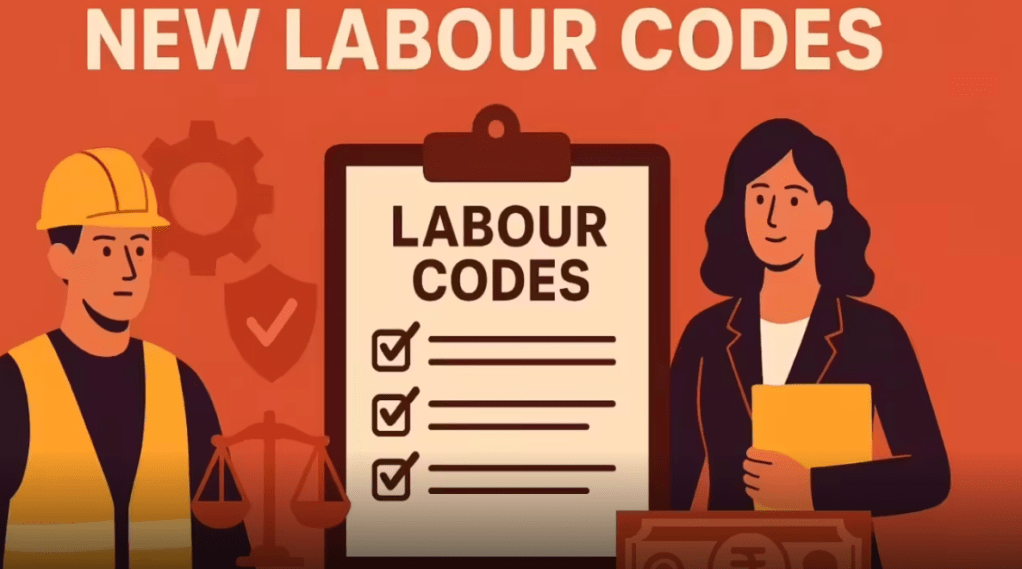
Re-examining Job Security and Labour Flexibility under India’s Industrial Relations Code
Read more: Re-examining Job Security and Labour Flexibility under India’s Industrial Relations CodeBy – Shreya Maheshwari Abstract The four new labour codes, including the Code on Wages, 2019; the Industrial Relations Code, 2020; the Code on Social Security, 2020; and the Occupational Safety, Health and Working Conditions Code, 2020, were introduced to ensure social security and dignity of workers while promoting industry growth. However, the regulations under…
-

The Politics Written on Skin: Reclaiming Bodily Autonomy as Feminist Politics
Read more: The Politics Written on Skin: Reclaiming Bodily Autonomy as Feminist PoliticsBy – Chinmayi J. Abstract A fundamental issue in feminist and gender justice discourse is bodily autonomy. However, concepts such as the state, capitalism, caste, race, religion, and patriarchy all interact to shape this unequal distribution of autonomy. This article explores bodily autonomy as a contentious area within the gender and social spectrum, contending that…
-

Automated Credit Scoring and Its Implications for Financial Inclusion
Read more: Automated Credit Scoring and Its Implications for Financial InclusionBy — Akshara Gupta Abstract In banking, many forces work silently behind the curtains that the layman is not aware of. The credit system plays a major role in the financial system of a country. It acts as a direct catalyst for promoting Economic Growth as it enables individuals to fulfill their long-term prosperity goals.…
-
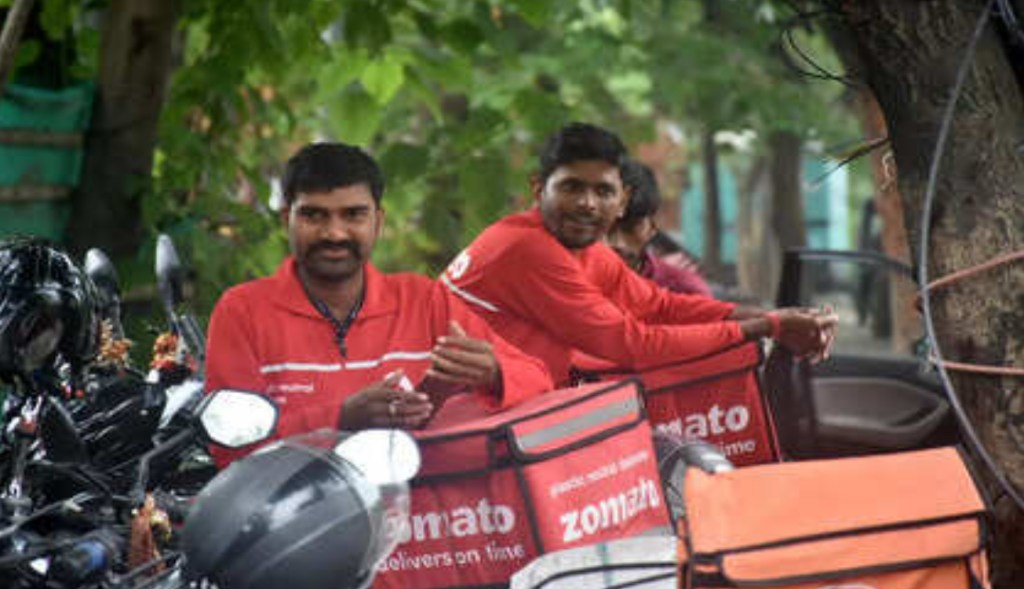
Managed by Metrics: How Rating Systems Govern Gig Workers
Read more: Managed by Metrics: How Rating Systems Govern Gig WorkersBy — Hritika Mishra Abstract Digital labour platforms are increasingly governing gig work through rating algorithms, shaping workers’ income, working hours, and continued access to jobs. This article examines how platforms such as Uber, Swiggy, and Zomato use customer ratings and performance metrics as tools for algorithmic management, thereby exerting employer-like control without the corresponding…
-
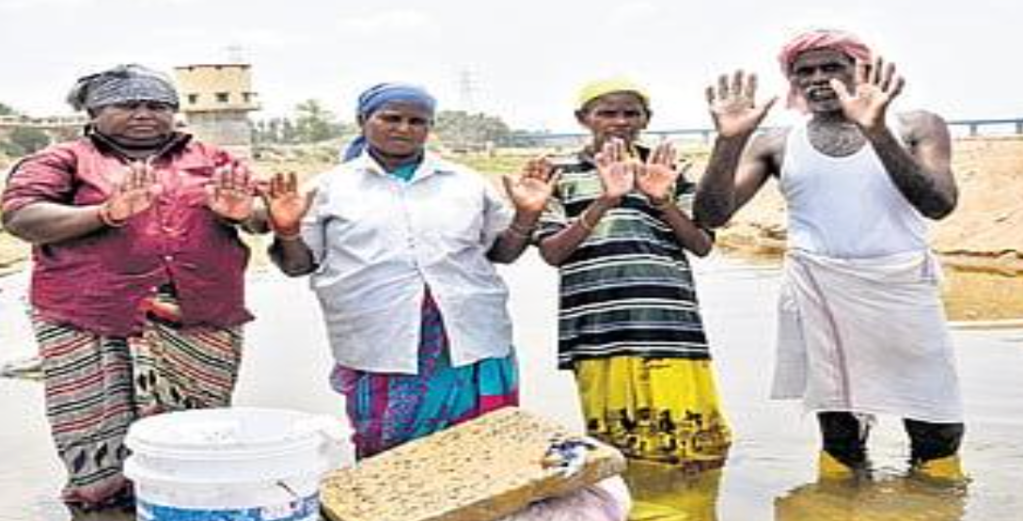
Aadhar and Algorithmic Exclusion from Welfare: Case Study from Jharkhand
Read more: Aadhar and Algorithmic Exclusion from Welfare: Case Study from JharkhandBy: Ayushmaan Abstract: In the recent decade, most public service delivery systems have been linked through Aadhar identification. The system brought the necessity of timely public service delivery to a greater extent; however, it placed more reliance upon the three-level algorithmic identification system, which relies on a poor quality of data, especially for the Below…
-
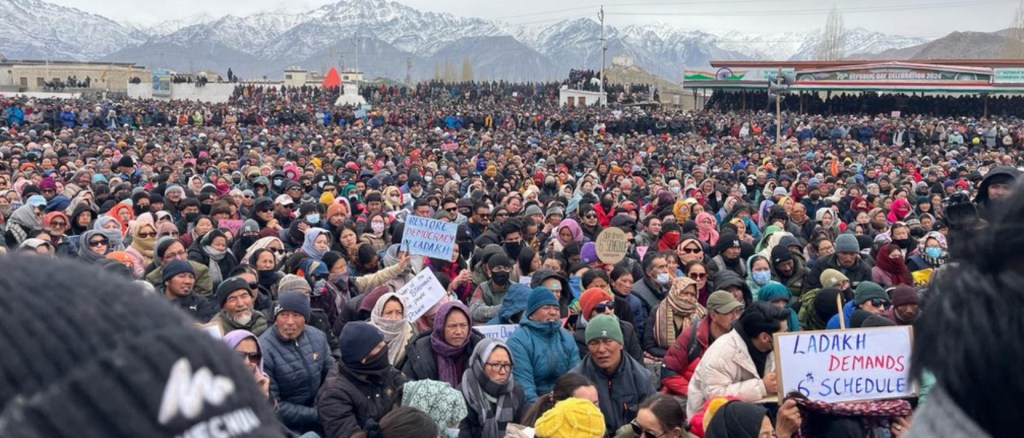
Ladakh’s Fight: Autonomy, Ecology, and Indigenous Rights
Read more: Ladakh’s Fight: Autonomy, Ecology, and Indigenous RightsBy — Varsha M Abstract: The separation of Ladakh from Jammu and Kashmir in 2019 was initially welcomed by the local people. However, Ladakh’s indigenous majority population was left without any significant legislative authority and essential ecological protections, leaving its fragile Himalayan ecosystem vulnerable to the escalations in unsustainable tourism, militarisation, and climate change. The…
-

Intellectual Property in Startup Exit Strategies: Legal Dimensions of M&A, Acquisitions, and IPOs
Read more: Intellectual Property in Startup Exit Strategies: Legal Dimensions of M&A, Acquisitions, and IPOsBy – Sai Ruchitha Abstract: This article evaluates the central role of intellectual property in shaping the success of startup exit mechanisms in India. It highlights how IP maturity influences deal valuation, regulatory approval, and investor decision-making in M&A transactions and IPOs. By examining statutory requirements, due diligence practices, and cross-jurisdictional contrasts, the study shows…
-

India’s Mediation Act, 2023: Symbolic Reform or Structural Change
Read more: India’s Mediation Act, 2023: Symbolic Reform or Structural ChangeBy – Shreya Maheshwari Abstract The Indian Mediation Act, 2023, was a legislative step by the government for transforming Indian dispute resolution mechanisms. While it is a progressive reform for reducing the backlog of overburdened Indian judiciary, having nearly 50 million pending cases, along with promoting collaborative and cost-effective justice in the country, compared to…
-

Who Wins: Law or Lore?
Read more: Who Wins: Law or Lore?By — Hansin Kapoor Abstract India’s police are fighting a battle not only against crime but also against fear, faith and folklore. From the burning of homes in Bihar to daring rescues in Meghalaya, police often find themselves in villages ruled by superstition rather than law. Witch-hunting and black magic killings unveils how belief can…
-

When the Rupee slips but the Economy runs
Read more: When the Rupee slips but the Economy runsBy — Aashrith Rajesh Abstract The Indian Rupee’s fall to record lows against the USD in 2025 has coincided with strong economic growth, giving rise to questions as to what is actually happening. This article argues that such coexistence is common in emerging markets where real outputs and incomes continue to rise despite nominal currency…
-

The Magical Empowerment : How Organizations Helped Promote the Women of the Occult
Read more: The Magical Empowerment : How Organizations Helped Promote the Women of the OccultBy – Nandini Pandey Abstract An imbalance in occult practices for centuries had resulted in an oppression towards its women practitioners, who were seen as witches, easily possessed, a threat to society. Such long-drawn oppression and imbalance was countered and repealed by two modern occult groups : The Theosophical Society, and the Hermetic Order of the…
-

Evanescing Traditions & The Post-Industrial Era : On tea-leaf reading in the modern age
Read more: Evanescing Traditions & The Post-Industrial Era : On tea-leaf reading in the modern ageBy – Poorvanshi Tyagi Abstract Tea-leaf reading or Tasseography is the practice of reading patterns left by ta leaves as a way to provide insights or guidance for the future. This article aims to trace the inter-cultural history of the tradition as well as explore its position in the modern post-industrial age, with respect to…

Nickeled & Dimed
Penny for your thoughts?
We are accepting articles on our new email: cnes.ju@gmail.com
 NICKELED AND DIMED