-

Diagnosing Injustice: The Intersection of Gender Bias, Apathy, and Medical Misdiagnosis Cases
Read more: Diagnosing Injustice: The Intersection of Gender Bias, Apathy, and Medical Misdiagnosis CasesGender bias and healthcare disparities are known factors that cause misdiagnosis in women. For instance, symptoms of heart attacks in women may differ from those in men; unfortunately, many healthcare providers are not trained to recognise these differences. Additionally, women’s pain is often dismissed or not taken seriously, leading to delays in diagnosis and treatment.…
-

Code vs. Crime: The Synergy of Technology in Countering Money Laundering
Read more: Code vs. Crime: The Synergy of Technology in Countering Money LaunderingThis article analyses the interaction of technology and anti-money laundering solutions, with a focus on the roles of Artificial Intelligence (AI), regulatory frameworks, Credit Rating Agencies (CRAs), and developing technologies. It explores AI’s role in identifying fraudulent financial activity using machine learning and big data analytics, focusing on its capacity to recognise abnormalities and trends…
-

Democracy On Trial- The case of The 1975 National Emergency
Read more: Democracy On Trial- The case of The 1975 National EmergencyAmong countless cases that have shaped Indian jurisprudence, the cases during the tumultuous period of the 1975 emergency, including that of Indira Gandhi v. Raj Narain, have been forever etched in history. A landmark, unprecedented constitutional law judgement reiterating democratic ideals, the case had resounding implications on the declaration of constitutional emergencies in India and,…
-

Climate – Induced Migrants In The Indian Sundarbans: A Growing Concern and Its Global Impact
Read more: Climate – Induced Migrants In The Indian Sundarbans: A Growing Concern and Its Global ImpactThe growing certainties of climate change pave a path towards an evolving refugee crisis in the contemporary realms of the Anthropocene. The vulnerable communities of ecologically sensitive regions are often the neglected casualties of natural hazards. However, due to a lack of recognition and legal protection, climate refugees are at major risk. Amidst the challenges…
-

Aravalli’s Hills: Nature VS Urban
Read more: Aravalli’s Hills: Nature VS UrbanAravalli hills are crucial for maintaining ecological equilibrium intact for urban and rural regions of NCR. The quality of forest cover of Aravalli hills in Delhi and Gurugram is disappearing to meet the material interests of elites and the government. The recent urban developments have exacerbated ecological conditions, causing a drastic shift in socio-ecological balance.…
-

Why Won’t Indians Give Up Their Cars? Unconventional Roadblocks to Sustainable Transport In India
Read more: Why Won’t Indians Give Up Their Cars? Unconventional Roadblocks to Sustainable Transport In IndiaDelving into India’s rapid urbanization, this article explores the challenges hindering a shift towards sustainable urban mobility. With over 326.3 million registered vehicles and soaring pollution levels, the complex interplay of economic, cultural, and societal factors contributes to the reluctance of Indians to relinquish their private cars. From inadequate public transport to the societal status…
-

Live-In Or Live-In-Sin: Maintenance Under Non-Marital Relationships (Pt. II)
Read more: Live-In Or Live-In-Sin: Maintenance Under Non-Marital Relationships (Pt. II)Women can use this section to ask their “husband” or “father of their child” for maintenance. Courts have construed it to encompass women in committed, long-term partnerships that resemble marriage, even though it does not specifically name live-in partners—as long as certain requirements are met. Although this interpretation gives some optimism, it is still up…
-
Live-In Or Live-In-Sin: Maintenance Under Non-Marital Relationships (Pt. I)
Read more: Live-In Or Live-In-Sin: Maintenance Under Non-Marital Relationships (Pt. I)The upkeep of live-in relationships is still a complicated and developing topic in India. While there is no specific statute that governs maintenance in these types of relationships, courts have construed existing laws, such as the Domestic Violence Act and Section 125 of the Code of Criminal Procedure, to offer some protection. However, the burden…
-
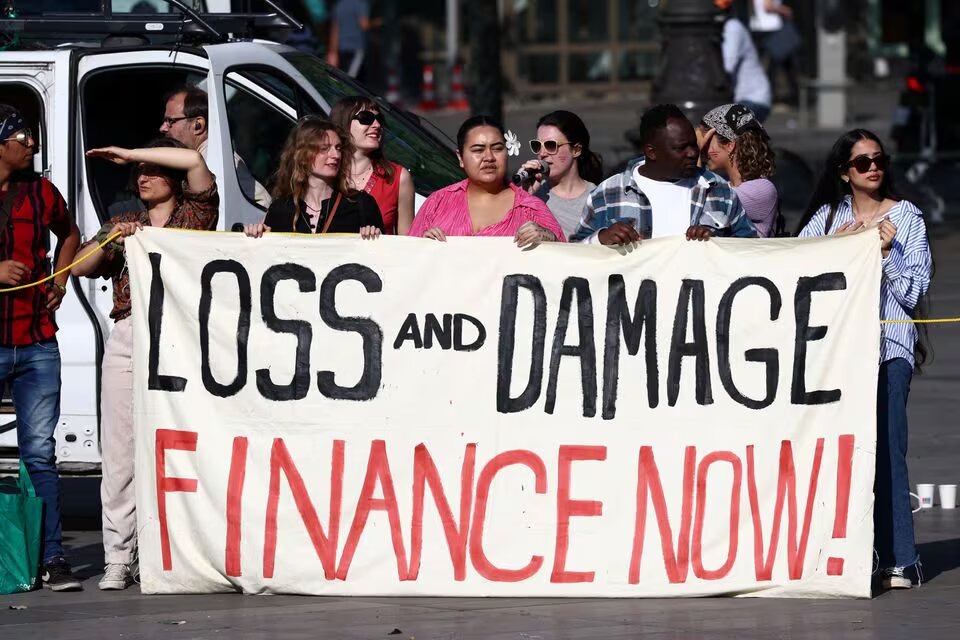
Crisis Unresolved: The Looming Questions of the Loss and Damage Fund
Read more: Crisis Unresolved: The Looming Questions of the Loss and Damage FundThis article explores the recently approved Loss and Damage Fund (LDF) in the context of climate change mitigation and adaptation. It delves into the challenges associated with defining climate-induced loss and damage and ensuring the additionality of climate finance. Additionally, it highlights the progress made throughout all these years and the current developments, as well…
-

Women In National Service: An Exploration of the Relationship between Gender and National Services
Read more: Women In National Service: An Exploration of the Relationship between Gender and National ServicesThis article explores the complex relationship between gender and national services, emphasising the state of Singapore. The main arguments rely upon the nature of the proposed national service for women by Ms Tan, the state’s inability to champion women’s empowerment outside of a tool for nation-building, and whether including women in combat roles in the…
-
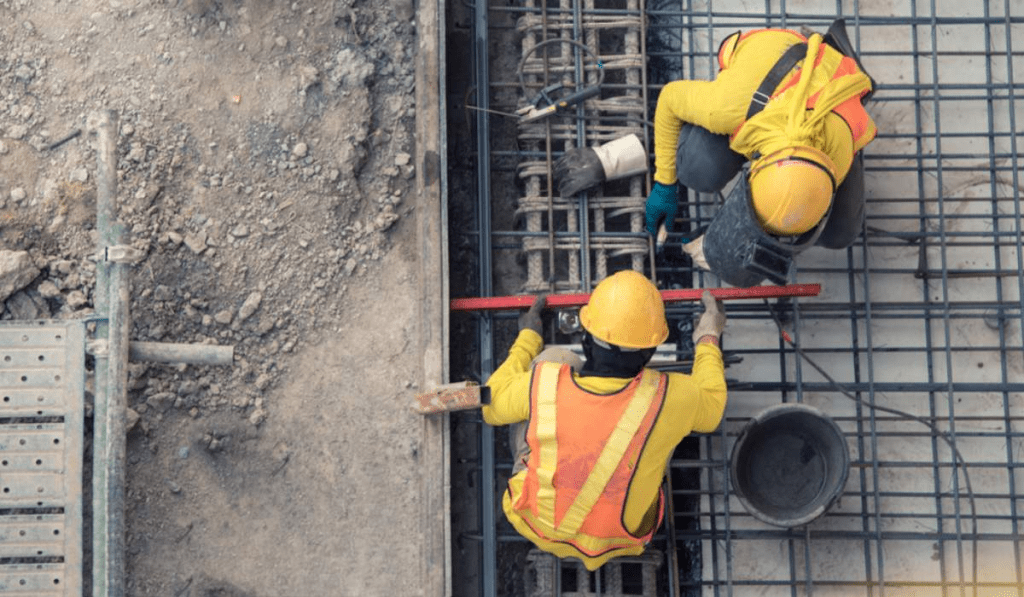
Rising Giants: Unveiling the Engine of India’s Economic Resurgence in Manufacturing and Construction Sectors
Read more: Rising Giants: Unveiling the Engine of India’s Economic Resurgence in Manufacturing and Construction SectorsThe upward revision in India’s economic growth projection for FY23-24 by the Reserve Bank of India is fueled by robust performances in the manufacturing and construction sectors. Positive trends in the Index of Industrial Production (IIP) over two quarters support this, with manufacturing displaying consistent growth and construction exhibiting a remarkable surge. The convergence of…
-

Evolution Of Gender Roles: An Analysis Through A Comparison Of Literary Works From The Victorian Era and 21st Century
Read more: Evolution Of Gender Roles: An Analysis Through A Comparison Of Literary Works From The Victorian Era and 21st CenturyThis article examines the evolution of gender roles through references and ideas discussed in Henrik Ibsen’s, A Doll’s House, and an advertisement campaign by the organisation PPS, that features advertisements with words used to devalue women in a manner that reflects their value, potential and power. It aims to reappropriate phrases of prejudice and paternalism…

Nickeled & Dimed
Penny for your thoughts?
We are accepting articles on our new email: cnes.ju@gmail.com
 NICKELED AND DIMED