-

Delhi Election 2025: The Way Forward
Read more: Delhi Election 2025: The Way ForwardBy : S Gopalakrishnan Abstract The results of the Delhi elections has given a new opportunity for the Centre and State to work together. This article delves into the pollution and healthcare crisis to explain the ways that opportunity can be utilised to revitalise the national capital. Introduction The administration of Delhi has long been…
-

Enforcing corporate accountability in the climate change regime
Read more: Enforcing corporate accountability in the climate change regimeBy : Smruti Tripathy Abstract: The climate crisis has intensified the need for corporate accountability, given that a small number of fossil fuel companies have disproportionately contributed to global emissions. While multinational corporations (MNCs) continue to profit, their actions violate fundamental human rights, leaving vulnerable communities to bear the consequences. The challenge lies in regulating…
-

Family Courts and Women: Examining its Unintended Consequences
Read more: Family Courts and Women: Examining its Unintended ConsequencesBy : Manav Chakraborty Abstract The Family Courts Act of 1984, was introduced in India to provide a specialised and sensitive forum for resolving family disputes with a focus on gender justice and the welfare of women. However, its implementation has revealed significant unintended consequences. This paper critically examines how the Act’s objectives—such as prioritising…
-
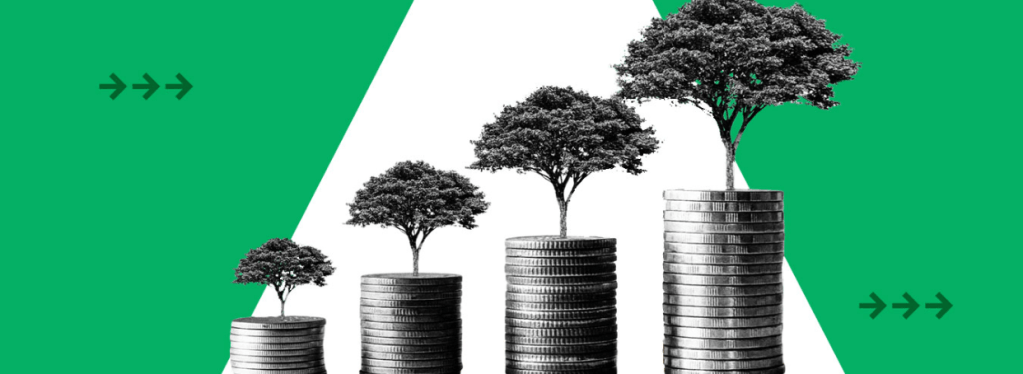
Regulating Greenwashing: A deep dive into the Guidelines on Prevention and Misleading Environmental Claims 2024
Read more: Regulating Greenwashing: A deep dive into the Guidelines on Prevention and Misleading Environmental Claims 2024By : Arpita Sondhi Abstract With sustainability slowly becoming a key factor influencing consumer choices, greenwashing has become a tactic for companies and businesses to boost their image. In order to curb this, the Central Consumer Protection Authority of India issued the Guidelines on Prevention and Misleading Environmental Claims mandating transparency, substantiation, and accountability from…
-

MEDITARI, MEDITATIO, MEDIATION: Tackling Non-Starter Cases —Lessons from the Italian Model
Read more: MEDITARI, MEDITATIO, MEDIATION: Tackling Non-Starter Cases —Lessons from the Italian ModelBy : Anandi Katiyar Abstract Mediation in commercial disputes is a cost-effective alternative to litigation, yet India’s framework faces significant hurdles, particularly the issue of non-starter cases where parties fail to engage meaningfully. This paper explores how India can address this challenge by adopting Italy’s successful “carrot-and-stick” approach. Italy’s mediation reforms of 2023 incentivise participation…
-

The Absence Of a Legal Mandate For Paternity Leave In India
Read more: The Absence Of a Legal Mandate For Paternity Leave In IndiaBy : Manya Singh Abstract Paternity leave remains an overlooked aspect of India’s labour laws. Unlike maternity leave, which is a legal entitlement, paternity leave lacks a statutory mandate, leaving new fathers with limited support. This article explores the absence of a legal framework for paternity leave, its implications on gender roles, workplace equality, and…
-

The Doctrine of Temporal Unreasonableness: Unravelling the Contentious Dissent in In re: Section 6A of the Citizenship Act, 1955
Read more: The Doctrine of Temporal Unreasonableness: Unravelling the Contentious Dissent in In re: Section 6A of the Citizenship Act, 1955Last year, the Supreme Court, In re: Section 6A of the Citizenship Act, 1955, upheld the constitutionality of Section 6A of the Citizenship Act, 1955 by a 4:1 majority. The dissenting opinion rendered by Justice Pardiwala deployed the doctrine of temporal unreasonableness to argue that the provision has outlived its purpose and thereby ought to…
-

Riches, Rags and Repercussions
Read more: Riches, Rags and RepercussionsFast fashion is not just about affordable clothing; it is a global crisis driven by waste, exploitation, and environmental destruction. Brands like Shein, Zara, and H&M flood the market with cheaply made, trendy clothes that quickly end up in landfills, pollute water bodies, and contribute to rising carbon emissions. This industry thrives on overconsumption and…
-
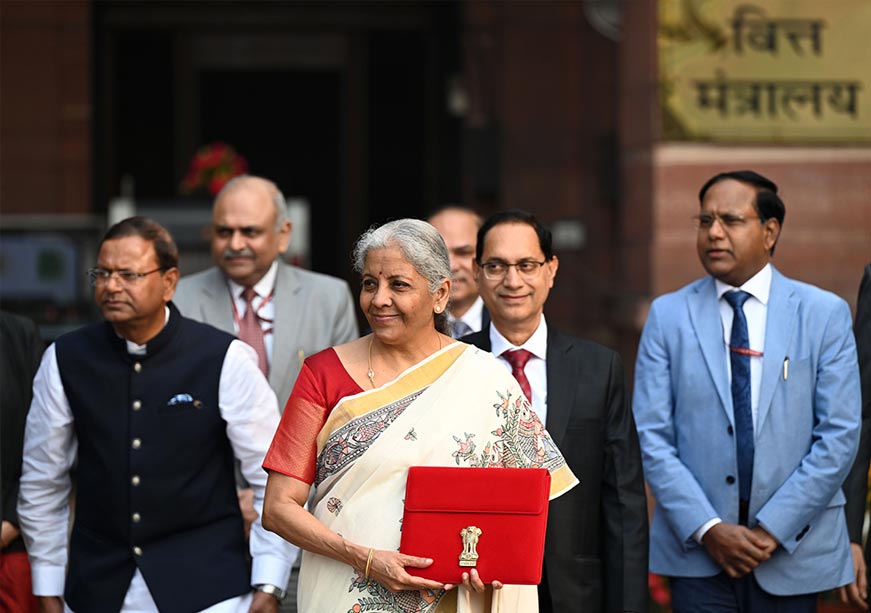
The Green Push in Budget 2025: Strong Enough for India’s Climate Goals?
Read more: The Green Push in Budget 2025: Strong Enough for India’s Climate Goals?The Union Budget 2025 has been met with mixed reactions, particularly regarding its environmental commitments. While the government has introduced significant reforms and financial allocations to accelerate the transition to clean energy, the budget also highlights contradictions in India’s climate policy. With continued support for fossil fuels, insufficient adaptation financing, and an uneven approach to…
-

Legitimacy of Traditions and Customs under Hindu Marriages: A Feminist Approach
Read more: Legitimacy of Traditions and Customs under Hindu Marriages: A Feminist ApproachThis article examines the evolution of judicial interpretations of restitution of conjugal rights under Section 9 of the Hindu Marriage Act, 1955 in India, highlighting its patriarchal roots and impact on women’s autonomy. Through cases like Swaraj Garg v. K.M. Garg, it explores shifting legal perspectives on matrimonial domestice decisions. While progressive rulings have challenged…
-

UAE’s Soft Power Surge: A Global Influence Strategy
Read more: UAE’s Soft Power Surge: A Global Influence StrategySoft power is the ability to co-opt rather than coerce (in contrast with hard power). It involves shaping the preferences of others through appeal and attraction. Soft power is non-coercive, using culture, political values, and foreign policies to enact change. According to the Global Soft Power Index brought out by Brand Finance, in February 2025, UAE was…
-

The Fall of Triple Talaq: A Legal Victory?
Read more: The Fall of Triple Talaq: A Legal Victory?The year 2017 witnessed a pivotal landmark in the legal- and social struggles- of Muslim women’s rights through the Shayara Bano v. Union of India case which led to the abolition of talaq-e-bid’ah (triple talaq) in the nation. This article looks closely at the monumental case’s background, Shayara Bano’s petition along with the Supreme Court’s…

Nickeled & Dimed
Penny for your thoughts?
We are accepting articles on our new email: cnes.ju@gmail.com
 NICKELED AND DIMED