-

The Militarization of the Seas
Read more: The Militarization of the SeasGlobal oceans are rapidly transforming from neutral commons into contested, militarized arenas driven by intensifying geopolitical rivalries. This shift is evident in persistent U.S. naval deployments through key chokepoints and China’s fortification of artificial islands in the South China Sea. Regional powers like Vietnam, Japan, and the Philippines are also modernising their navies, adding to…
-

Drowning in Ambiguity: The Status of Islands in Maritime Law
Read more: Drowning in Ambiguity: The Status of Islands in Maritime LawWhile maritime law is an expansive body of law, one aspect often goes underappreciated – the struggle over the ambiguity of the legal status of islands. This issue has profound geopolitical implications, particularly for Small Island Developing States (SIDS). This article explores how international conventions, especially the United Nations Convention on the Law of the…
-

Sati, Savitri and the Modern Hindu Woman
Read more: Sati, Savitri and the Modern Hindu WomanMyth breathes in the fabric of everyday life, binding Hindu women to the timeless figures of Sita, Draupadi, and Savitri. In a world that celebrates their endurance while silencing their dissent, mythology becomes less a source of inspiration and more a mirror of control. This article explores how ancient ideals persist under modern guises, shaping…
-

ASEAN’s Economic Landscape and Digital Transformation: A look into SMEs, E-Commerce and the Asian Financial Crisis
Read more: ASEAN’s Economic Landscape and Digital Transformation: A look into SMEs, E-Commerce and the Asian Financial CrisisASEAN’s economic landscape is undergoing a significant transformation; the evolution is often credited to hurdles such as the Asian Financial Crisis of 1997-98, exposing systemic vulnerabilities. The focus on economic growth and integration is driven by digitalisation and the resilience of micro, small, and medium-sized enterprises (MSMEs). This article is set to explore the same…
-
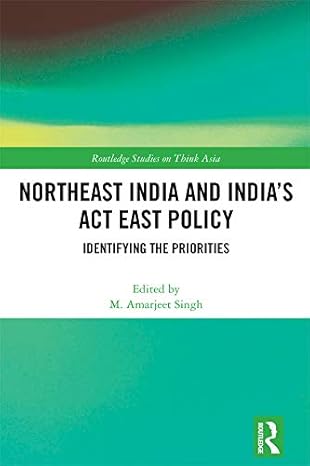
The Key Pillars and Priorities of India’s Act East Policy and Examining it’s Northeast Region: A Book Review
Read more: The Key Pillars and Priorities of India’s Act East Policy and Examining it’s Northeast Region: A Book ReviewThis article is set to critically review the book Northeast India and India’s Act East Policy, edited by Amarjeet Singh and examine it’s arguments. The book delves into India’s evolving engagement with Southeast and East Asia and the central role of it’s Northeast region owing to it’s proximity. The book discusses the shift from the…
-

Beauty & The City: Beautification Drives in Indian Urban Spaces
Read more: Beauty & The City: Beautification Drives in Indian Urban SpacesIn the guise of modernization and beauty, cities in India often undergo beautification campaigns that hide a more profound politics of exclusion. From flyovers painted with murals to sanitized lakefronts, these initiatives tend to hide the displacement of slums, the eviction of street vendors, and the criminalization of urban poverty. This paper critically analyses the…
-
Reforming Waqf Governance: Striking a Balance Between Faith and Fairness
Read more: Reforming Waqf Governance: Striking a Balance Between Faith and Fairness“Public policy is not about choosing between right and wrong but about navigating between competing rights.”
-
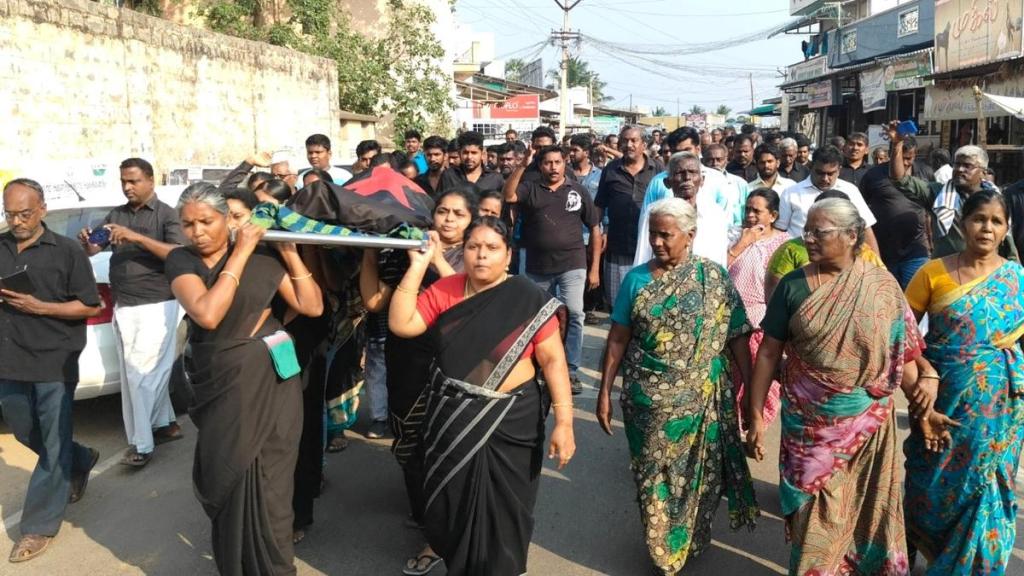
Rituals of Resistance: Women, Funeral Rites, and the Challenge to Patriarchy
Read more: Rituals of Resistance: Women, Funeral Rites, and the Challenge to PatriarchyThis article examines how funeral sites in India are deeply gendered spaces and argues that women’s participation in traditionally male funeral roles acts as an everyday form of resistance to patriarchy. Using the example of the Salem District’s Dravidar Viduthalai Kazhagam (DVK) women, it explores how the feminization of rituals can drive meaningful structural change.…
-

Governance Feminism and the Paradox of Institutional Power: Janet Halley’s Challenge to Feminist Praxis
Read more: Governance Feminism and the Paradox of Institutional Power: Janet Halley’s Challenge to Feminist PraxisJanet Halley’s Governance Feminism examines feminism’s paradoxical institutionalization as it transitions from radical movement to governing authority. Analyzing cases like Twyman v. Twyman, this blog reveals how feminist legal achievements risk entrenching punitive systems, marginalizing dissent, and legitimizing exclusionary power. Halley advocates a strategic pause from feminist frameworks to confront institutional complicity and rekindle transformative…
-

AI is “Thirsty”! How Big Tech is Straining Water and Power
Read more: AI is “Thirsty”! How Big Tech is Straining Water and PowerThe rapid expansion of artificial intelligence (AI) has led to a significant increase in energy and water consumption, raising concerns about its environmental sustainability. AI models, such as ChatGPT, require vast computing power, leading to immense heat generation in data centres.
-

The Dharavi Dilemma and Adani’s Stake in Redevelopment
Read more: The Dharavi Dilemma and Adani’s Stake in RedevelopmentThis article critically examines the redevelopment of Dharavi—Asia’s largest slum—through the Navbharat Mega Developers project, a joint venture between the Maharashtra Government and the Adani Group.

Nickeled & Dimed
Penny for your thoughts?
We are accepting articles on our new email: cnes.ju@gmail.com
 NICKELED AND DIMED