-
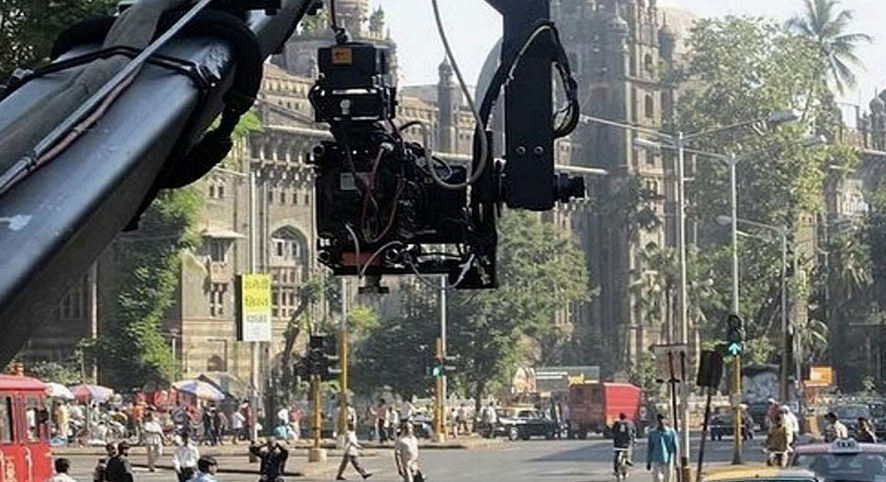
The Hidden Environmental Cost of Bollywood’s Big Screen Productions
Read more: The Hidden Environmental Cost of Bollywood’s Big Screen ProductionsBy – Arpita Sondhi Abstract From the colorful sets of the Bollywood movies to the vibrant landscapes of regional cinema, filmmaking in India is a massive and influential operation. However, behind the glitz and glamour of the industry lies a pressing issue that often goes unnoticed- the environmental footprint of creating a film. Each stage…
-

Liberal Feminism and Economic Hegemony – A Critical Analysis of Sydney Sweeney’s Bath Soap, the Commodification of Sex and Patriarchal Desire in Late Capitalist Markets
Read more: Liberal Feminism and Economic Hegemony – A Critical Analysis of Sydney Sweeney’s Bath Soap, the Commodification of Sex and Patriarchal Desire in Late Capitalist MarketsBy – K.S. Prathignya Abstract This article examines the commodification of women’s bodies under liberal feminism, using critical frameworks to correlate it with the recent controversy of Sydney Sweeney’s ‘bath-water soap’. This article argues that liberal feminism places ‘empowerment of a woman’ on her body, however her body is sold for the male gaze. This…
-

Biometric Schooling: Are We Normalising Surveillance for an Entire Generation?
Read more: Biometric Schooling: Are We Normalising Surveillance for an Entire Generation?By – Ann George Abstract As biometric technologies become increasingly embedded in educational settings, from facial recognition for attendance to emotion-detecting AI, the school is no longer just a site of learning but one of surveillance. This article critically examines the growing normalisation of biometric surveillance in schools and its psychological, behavioural, and legal implications…
-
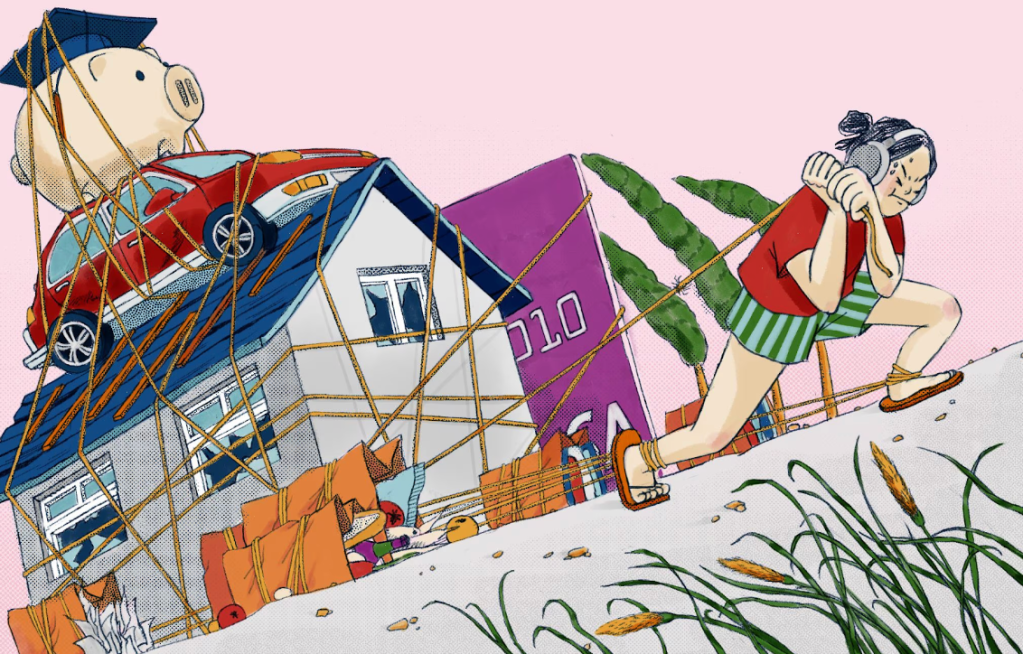
The Broke Generation: Why Gen Z’s Economic Reality Is Nothing Like What Boomers Think
Read more: The Broke Generation: Why Gen Z’s Economic Reality Is Nothing Like What Boomers ThinkBy – Ann George Abstract This paper challenges prevailing stereotypes that label Generation Z as “lazy” or “entitled” by exploring the distinct economic challenges they face in contrast to previous generations. Factors such as soaring housing costs, stagnant wages, overwhelming student debt, and insecure labor markets, exacerbated by technological changes like AI, have created significant…
-

Quiet Quitting the City: Should Public Policy Support Digital Nomadism?
Read more: Quiet Quitting the City: Should Public Policy Support Digital Nomadism?By – Ann George Abstract Digital nomadism, a growing lifestyle enabled by advances in remote work and digital technology, is reshaping traditional notions of home, work, and mobility, particularly among younger generations such as Generation Z and Millennials. This paper explores the complexities of digital nomadism, highlighting its appeal alongside significant global inequalities rooted in…
-

The Price of India’s White Gold
Read more: The Price of India’s White GoldBy – Apoorva Lakshmi Kaipa Abstract This article examines how the industrialisation of dairy has transformed a culturally sacred practice into a system marked by cruelty, pharmaceutical manipulation, and consumer deception. It will explore the intersection of bioeconomics, cultural tradition, and ethical consumption through the lens of India’s dairy industry and the emerging vegan movement.…
-

AGRITECH: PRO-LIFE OR PRO-PROFITS?
Read more: AGRITECH: PRO-LIFE OR PRO-PROFITS?By – Mani Meghana Godavarthi Abstract Agriculture was always considered a sustainable practice, but it is also a cause of environmental degradation and resource depletion. While agriculture remains the backbone of India’s rural economy and global food security, historical and modern practices have contributed to biodiversity loss, soil erosion, and pollution. Despite the promise of…
-

The Power of Being Counted: Caste Census and the Future of Indian Governance
Read more: The Power of Being Counted: Caste Census and the Future of Indian GovernanceBy -Vansh Aggarwal Introduction: “Justice has always evoked ideas of equality… But equality requires the absence of special privileges.” – Dr. B.R. Ambedkar. For a country that often speaks of caste-based injustice, its governance remains oddly blind to the actual numbers that define its social landscape. The last comprehensive caste enumeration was conducted in 1931,…
-
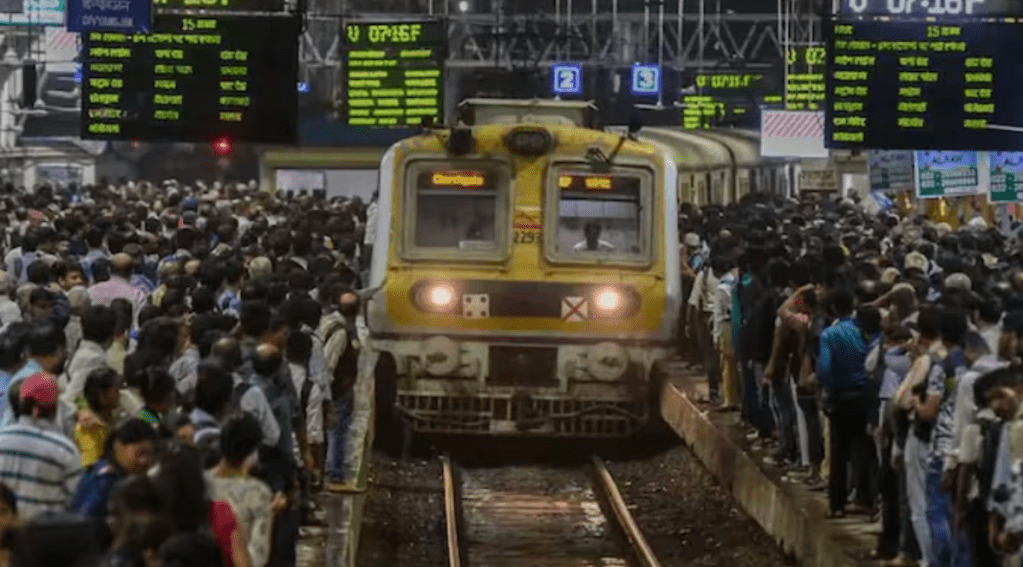
Who and what drives the Great Indian Public Transport
Read more: Who and what drives the Great Indian Public TransportBy – Anubhi Srivastava Abstract India’s public transport system stands at a crossroads. While public systems ensure affordability, they often suffer from inefficiency and poor service. Privatisation brings innovation but risks inequity and exclusion. Drawing from global models and domestic public-private partnerships, this paper argues for a hybrid and regulated approach that integrates equity, environmental…
-

Rivers? More like Sewers!
Read more: Rivers? More like Sewers!By – Mani Meghana Godavarthi Abstract Water is essential for survival; however, one of the biggest concerns that the world is facing today is that of river pollution. This article utilises secondary data to establish that regardless of how a river is perceived, it inevitably falls at the mercy of the polluters using secondary data.…
-

Lessons from God’s Own Country
Read more: Lessons from God’s Own CountryBy — Mani Meghana Godavarthi Abstract Kerala is considered the most sustainable state of India, and it has successfully taken steps to ensure that it protects its biodiversity. However, these intra-state measures are heavily negated by external factors and nationwide problems, which act as a counter to the state’s efforts. It is essential to learn…
-
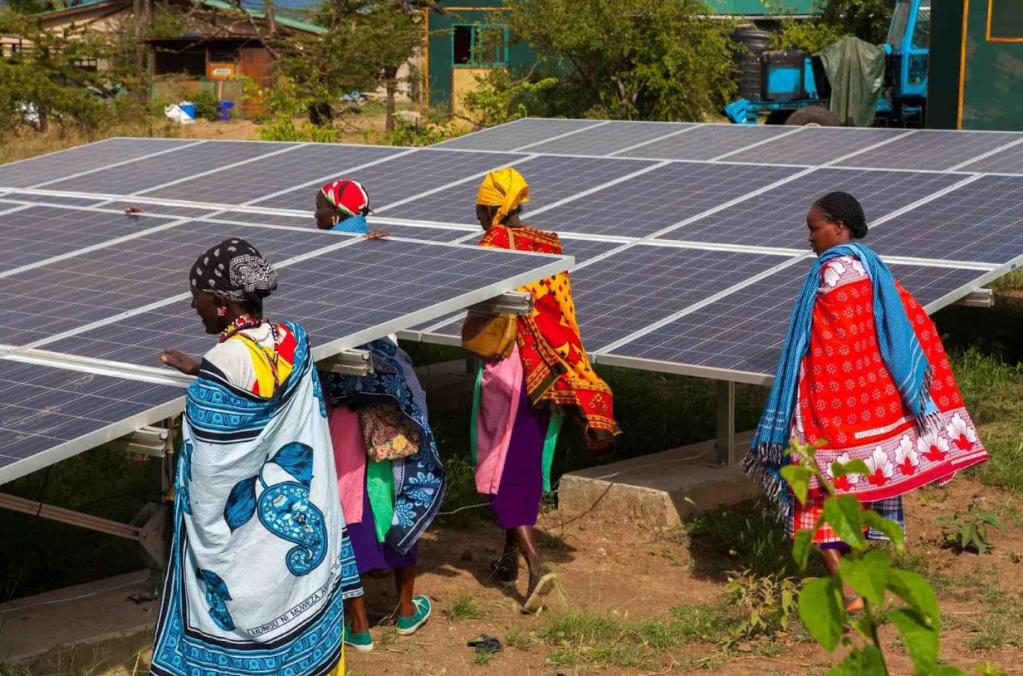
THE INVESTMENT PARADOX: AFRICA’S UNTAPPED GREEN ENERGY POTENTIAL
Read more: THE INVESTMENT PARADOX: AFRICA’S UNTAPPED GREEN ENERGY POTENTIALBy – Mani Meghana Godavarthi Abstract Africa is rich in natural resources and has an exceptional potential to become a global leader in the renewable energy sector. However, the situation in this region is highly paradoxical, as despite its high potential, it attracts very low investment. Low investment caused by poor local development has led…

Nickeled & Dimed
Penny for your thoughts?
We are accepting articles on our new email: cnes.ju@gmail.com
 NICKELED AND DIMED