-

A VOID EXISTENCE: THE LEGAL VACUUM SURROUNDING CLIMATE REFUGEES
Read more: A VOID EXISTENCE: THE LEGAL VACUUM SURROUNDING CLIMATE REFUGEESBy — Sumedha Sahoo Abstract: As the onslaught of climate change on the world intensifies day by day, millions of people are being displaced from their homes. This paper examines how ‘climate refugees’, people who have been displaced due to the destructive effects of climate change, are treated. It primarily focuses on the lack of…
-

Welfare in the Age of Algorithms: AI and the Future of Public Policy in India
Read more: Welfare in the Age of Algorithms: AI and the Future of Public Policy in IndiaBy -Vansh Aggarwal Abstract: This article explores how AI is reshaping public policy in India, focusing on welfare schemes like MGNREGA and PM-JAY. Drawing lessons from DigiYatra, FASTag, and CoWIN, it examines both the efficiency gains and the risks of privacy loss and bias. The article also proposes integrating AI with Aadhaar to build smarter,…
-

Over Socialisation mistaken for empathy: A critical analysis of the portrayal femininity in film
Read more: Over Socialisation mistaken for empathy: A critical analysis of the portrayal femininity in filmBy – K.S. Prathignya Abstract This article examines how cinema portrays and promotes qualities of over socialisation as a part of feminine standards, but often describes it as empathy instead. It argues that this internalisation of gender norms is a gradual process. Through a cross comparison between two forms of cinema, there is a connection…
-

Tamil Nadu’s Struggle for Language and Culture
Read more: Tamil Nadu’s Struggle for Language and CultureBy – Apoorva Lakshmi Kaipa Abstract This article examines the indirect legacies of Partition in Tamil Nadu, focusing on the Dravidian movement, anti-Hindi agitations, and linguistic state formation. Drawing on scholarly and journalistic sources, the article highlights how Tamil politics developed unique strategies in response to the post-partition centralisation and language imposition. Introduction Partition is…
-

Protection or Exclusion: Does India Gain from Its Refugee Policy Change?
Read more: Protection or Exclusion: Does India Gain from Its Refugee Policy Change?By – Ayushmaan Abstract This piece examines the historical shift in the Indian Government’s approach to the rising refugee population in India with respect to recent security concerns from the neighbouring countries of India. History is evident; India adopted non-refoulement towards refugees. without any specific obligation, neither domestic nor international. The past decade presents India’s…
-
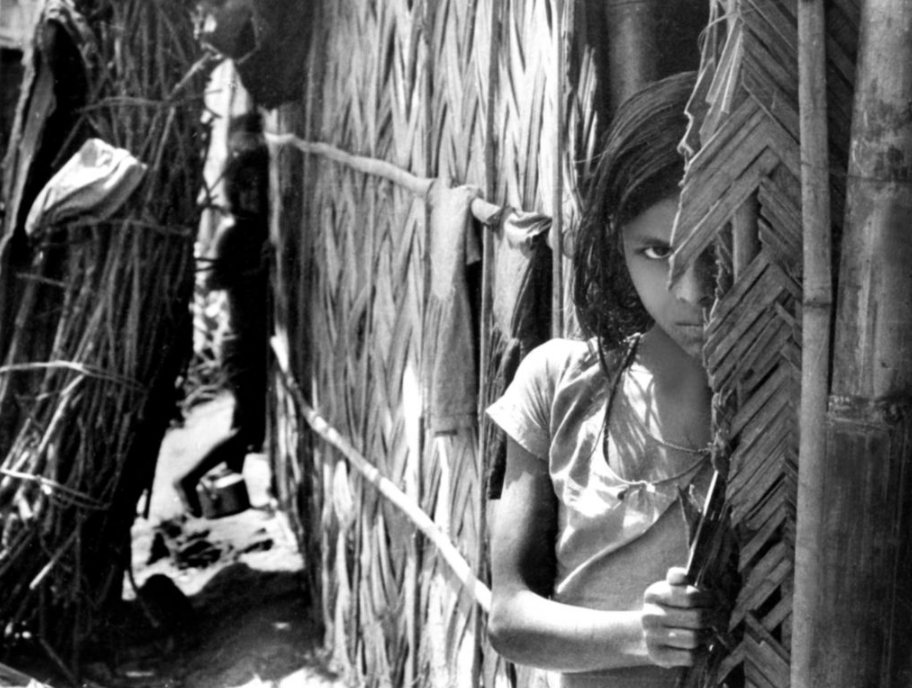
Namasudra Refugees: Caste, Partition, and the Marichjhapi Tragedy
Read more: Namasudra Refugees: Caste, Partition, and the Marichjhapi TragedyBy:- Tanishka Shah Abstract While Partition is conventionally narrated as a conflict of religions, for Dalit Namasudra refugees it was equally a story of caste marginalisation. From their pre-partition mobilisation and Jogendranath Mandal’s alliance with Muslims, to their subsequent displacement, relocation to Dandakaranya, and the violence of the Marichjhapi massacre in 1979, the Namasudra…
-
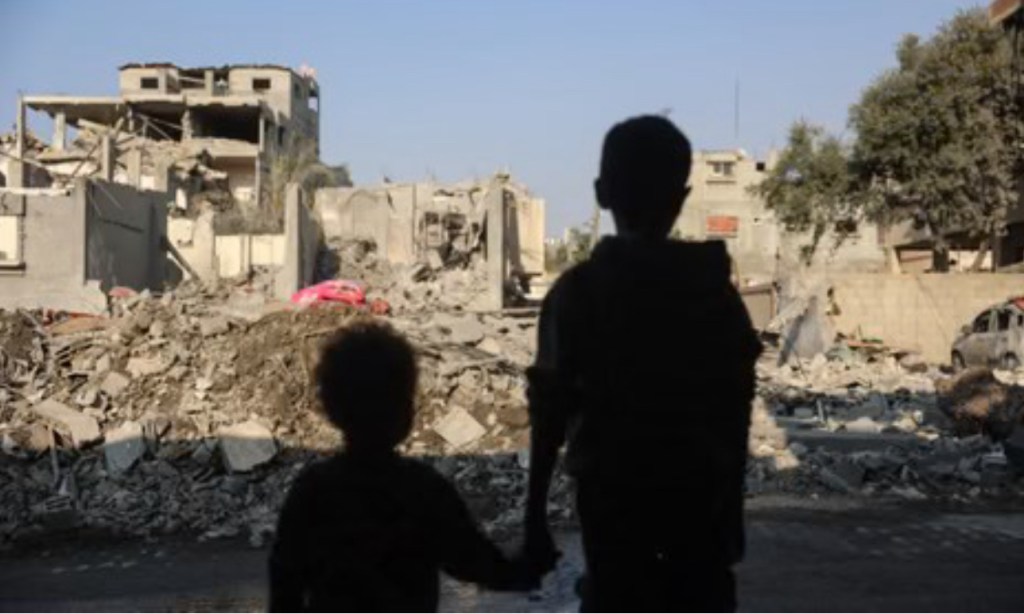
War as a Business Model: Global Investment in Gaza’s Erasure
Read more: War as a Business Model: Global Investment in Gaza’s ErasureBy — Bhavya Shivhare Abstract: In the age of algorithmic warfare, corporations have become embedded in the machinery of conflict, not as observers, but as financiers and enablers. This article traces how dual-use technologies, research subsidies, and private capital sustain the AI-driven assault on Gaza, revealing a war economy where destruction generates dividends and the…
-

Urdu, Hindi & Tapering Cultures : Reimagining the nation-state post Partition
Read more: Urdu, Hindi & Tapering Cultures : Reimagining the nation-state post PartitionBy – Poorvanshi Tyagi Abstract The Partition of 1947 finds its legacies in the geography, culture and traditions of India and Pakistan today. Partition memory plays an important role in shaping the Indian nation-state with respect to its imagined sense of belonging, homogeneity and national identity. The prominence of sanskritised Hindi and consequent erasure of…
-

The Constitutional Boundaries of Mercy Power and the Mandate for Timely Disposal
Read more: The Constitutional Boundaries of Mercy Power and the Mandate for Timely DisposalBy – Mani Meghana Godavarthi Abstract The article explores the constitutional boundaries of executive mercy powers under Articles 72 and 161 of the Constitution of India. It emphasises the imperative for their timely exercise by considering Article 21 (the right to life). It focus is on the implications of procedural delays on the fundamental rights…
-

GUARDIANS OF THE FOREST, BEARERS OF THE SCARS
Read more: GUARDIANS OF THE FOREST, BEARERS OF THE SCARSBy – Akshita Abstract: This piece delves deep into the world of Adivasi displacement, a crisis they endure in silence, hidden from the illusion of normalcy we have carved out for ourselves. This article examines how those who have become the fierce protectors of the forest are not only pushed out from their homeland by…

Nickeled & Dimed
Penny for your thoughts?
We are accepting articles on our new email: cnes.ju@gmail.com
 NICKELED AND DIMED