
By — Hansin Kapoor
Abstract
In India, comedy often straddles a fine line between critiquing authority and reinforcing social hierarchies. This article examines how comedy deploys abusive and even gory language to target caste, class, gender, and regional minorities. by drawing on Goffman’ s concept of stigma, Durkheim’ s theory of deviance, Foucault’ s discourse-power nexus, and Bourdieu’ s cultural capital, this article argues that such humour usually “punches down” by reinforcing dominant groups’ superiority, even as it pretends to challenge norms. Furthermore, we ask why comedians use demeaning slurs and shock tactics, what function this serves and how it harms the dignity of marginalized people. The role of audiences is explored, which suggests that laughter can signal complicity or subtle critique.
Comedy, Power, and “Punching Down”
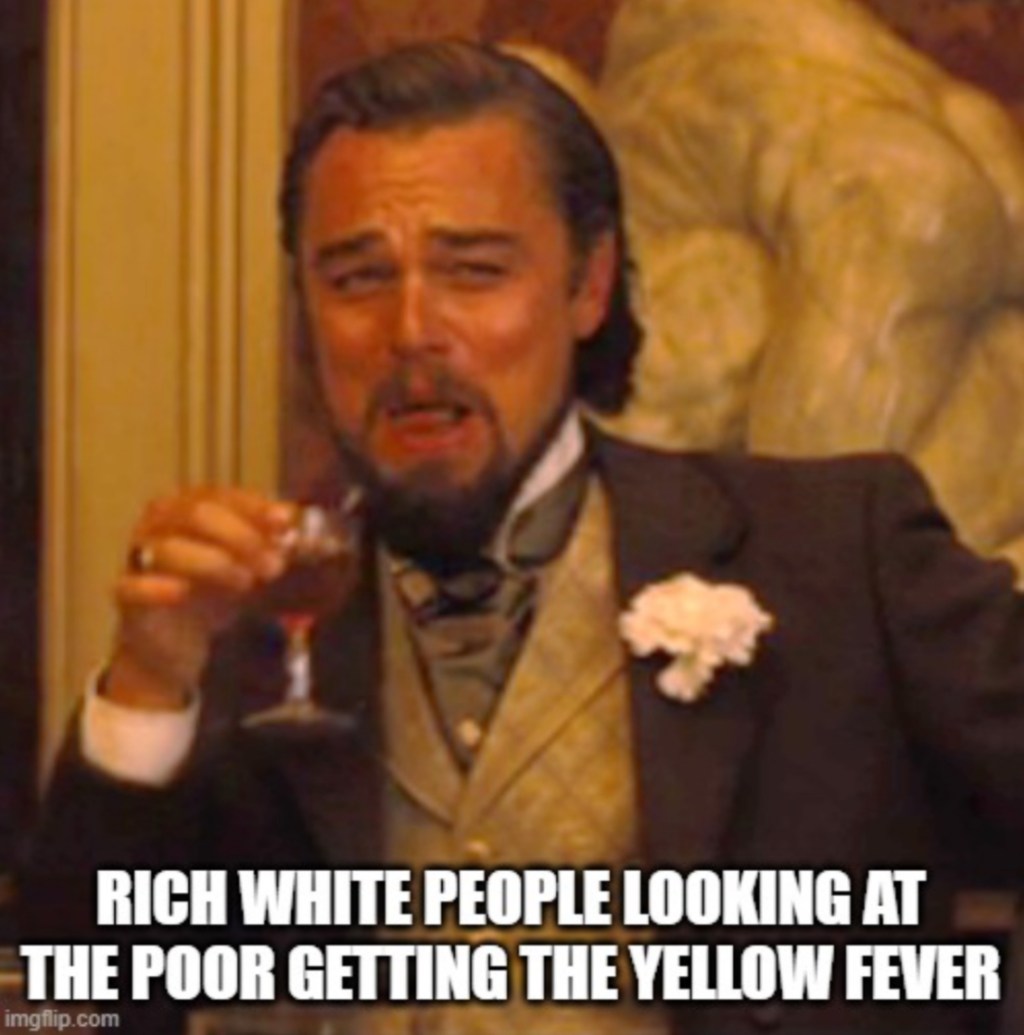
Comedy in India often reflects and reinforces existing power structures. Upper-caste, male comedians dominate Hindi stand-up, Bollywood, and mainstream memes, so their humor naturally reflects the privileges of their group. As many prominent comics feel “unquestionably entitled to the audience’s laughter,” with caste privilege “shielding” them from controversy. This dynamic means that jokes habitually punch down, mocking Dalits, Muslims, women, or “dark” bodies, are normalised as harmless banter, whereas making fun of upper-caste or male figures is taboo. One survey of stand-up controversies found a “pattern of punching down on lower castes”, by mocking reservation policies, ridiculing traditional Dalit occupations, and even abusing political leaders like Mayawati. These slurs are not random; they signal and bolster existing hierarchies. In Bourdieu’s terms, languagehere is a form of cultural capital that “reproduces the class structure in society and also legitimizes that class structure”. The joke-teller’s ability to hurl obscene casteist slurs becomes a badge of belonging to the dominant class, whereas minorities are marked as the butt of jokes.
Crude language and taboo imagery offer shock value but also comfort, as Durkheim’s classic view reminds us that deviance, the norm-violating behavior, is “functional, normal and inevitable,” serving to clarify boundaries. In this frame, boundary-pushing comedy can momentarily release tension that taboo jokes act as a “safety valve” for social frustrations. The shared outrage or laughter reinforces group solidarity, as our shared disapproval of deviant behavior strengthens our social solidarity. In practice, when an audience laughs at a misogynistic punchline, it tacitly agrees on what shouldn’t be said in polite company, thereby tightening the norms. However, this “release” is double-edged, as jokes that seem to satirize society often rely on the very prejudices the purport claim to expose. Notable satirists warn that humor “is best explained as a complex relation of discourse and power”, it is not apolitical, but a power-laden discourse formation. In short, when mainstream Indian comedy mocks the poor, dark-skinned, or gay, it may claim to push back against “political correctness” , but it typically reinforces the status quo of upper-caste values.
Foucault’s insight on power and discourse is instructive, who gets to speak? what can be said are governed by social forces? In India, the “discourse of laughter” is scripted by dominant ideology as one analysis of stand-up argues that humor cannot be left unregulated, because it is “potentially dangerous”, it crystallizes and spreads societal attitudes in a powerful way. Indeed, these jokes often embed casteist or sexist tropes so seamlessly that they feel normal. When Kapil Sharma’s TV show mockingly parades an overweight, elderly woman character, or uses the Bengali word babu or the Marathi bhangi as punchlines, it “reinforces and recycles” dominant regional biases. In short, comedy at the center carries cultural capital, it sets the norms for what language and images are acceptable to laugh at and only at the margins does laughter aim to challenge the ruling discourse.
Gender, Sexuality, and Comedic Harassment
Abusive humor in India is not limited to caste or class. Bollywood and stand-up also weaponize gender and sexuality. Mainstream comedy routinely objectifies or shames women. A long lineage of misogynistic dialogues from “Tum ladki me sabse pehle kya dekhte ho?” (Kya Super Kool Hain Hum) to romanticise violence or imply that a woman’s shyness makes her suitable only for love not sexual freedom (Yeh Jawaani Hai Deewani). Even recent films like Animal draw criticism for remarks like “Koi ladki jhukhti hai tohmain usse check out karta hoon”. As this list notes, such lines are “disgusting,” “ridiculous,” and simply contribute to the prevailing misogyny in our society.
Stand-up comedians mirror these tropes. The Statesman reports that Kaviraj Singh delivered the punchline in a way that clearly insulted women. The audience laughed at the derogatory implication, not at any insightful commentary, showing how misogyny is presented as harmless fun. Even well-regarded comics have been caught with sexist material: Zakir Khan’s portrayal of the “Sakht Launda” persona has been criticized for reinforcing misogynistic stereotypes. In short, comedy often reflects the patriarchal “habitus” of Indian society, where many men absorb and recycle regressive gender roles under the guise of humour.
Why do performers use this language? Some claim it’s “satire” or pushing boundaries, while others defend it as free speech: “When the right-wing attacks comics, they come up with ‘freedom of speech’, but when a comic does it, they come up with calls for ban”. Yet many women and progressive voices see such jokes as gratuitous. Activist Aman Pandey argued that claiming misogynistic humor is just free speech ignores its harmful effects: “Right to free speech is not everything; there is right to safety, right to dignity… It’s about creating a safer space”. In other words, even within the comedy community, there is a debate about whether raw jokes on “women, homosexuals, fat and dark people” are punching up at unjust norms or punching down on vulnerable groups. The prevailing consensus among critics is that much Indian humor sadly does the latter.
Laughter as Complicity or Catharsis
The role of the audience is crucial as laughter can be complicity; by laughing, listeners endorse the joke’s premise. When a crowd chuckles at a Dalit slur, they signal that the insult is acceptable. Stigma theory reminds us that a group’s reaction “depends on another individual perceiving and knowing about the stigmatized trait”. The audience’s response validates the stigma. Indeed, comedian Manjeet Sarkar likens the situation to David versus Goliath: comedians are tiny critics while the audience can crucify them. Radhika Vaz charges the public with “complicity,” pointing out that people protest censorship only when “their team” is targeted.
Yet laughter can also be cathartic or subversive as some argue that humor about taboo topics lets people voice frustrations indirectly. Dalit theorist Waghmore finds that marginalized groups sometimes use humor to build solidarity as dalit audiences reclaim agency and “create a shared space of solidarity”. In this sense, laughter becomes a survival mechanism, “finding moments… in the pleasures of joy through unbounded laughter” even amid suffering. However, because most Indian comedy airs through mainstream platforms, subversive humor rarely reaches those in power, instead, the powerful listen when their own perspective is affirmed in comedy.
The fine line of response was apparent in a recent Supreme Court hearing as justices explicitly asked a YouTuber if he had a “license” to use such language. Audience perception even matters for legal consequences as after Ranveer Allahbadia’s infamously explicit joke, the Maharashtra Chief Minister declared that “everyone has freedom of speech, but this freedom ends when we encroach upon others’ freedom. Everyone has limits”. The implication is that if audiences find it obscene, the state must act. Conversely, if only a niche outrage exists, the punchline “slips the leash” of public accountability. Thus, laughter is only part of the verdict as it resonates within wider cultural norms, media discourse, and even judicial scrutiny in deciding whether humour is tolerated or curbed.
Conclusion
Humor is never neutral as it is a social act that shapes discourse. Moreover, repeated jibes at marginalized communities do more than provoke giggles as they cement prejudice and each sneer chips away at dignity, adding to spoiled identity and punishing such deviance“reinforces the collective conscience” by reaffirming shared norms laughter becomes a strange form of moral enforcement. As Molly Ivens put it, satire is “the weapon of the powerless against the powerful… when satire is aimed at the powerless… it’s vulgar”. Yet many audience members feel comedians have a “comic licence” to break taboos tolerating racist or sexist gags as only ‘part of the show.’ The privileged comedians often get laughs with crude stereotypes, while marginalized voices lack safe platforms to respond or reshape the narrative. If our humor veers off this high wire and stomps on the vulnerable, laughter ceases to be joy and becomes stone-throwing. The last laugh belongs not to cruelty but to empathy, let comedy reflect our shared humanity, not the hierarchy we inherited.
About the Author
Hansin Kapoor is a third-year law student who dissects justice with a victim’s eye, using criminology to challenge the blind spots and silences the law prefers to ignore.
Image Source: https://imgflip.com/i/67796b
 NICKELED AND DIMED