
By – Simar Kaur
Abstract
Diplomatic immunity, as it is codified in the Vienna Convention on Diplomatic Relations (1961), is one of the most important weapons of international law. Founded on both representative and functional necessity theories of foreign states, this instrument shields diplomacy but also creates vast loopholes. Particularly, cases of abuse of domestic workers have also revealed how immunity is sometimes misused at the expense of the victims, raising concerns about impunity and denial of justice. In case laws, courts have at times been able to challenge the blanket use of immunity, indicating that immunity cannot be a license for abuse. This article explores the scope, difficulties, and mechanisms of accountability in the current legal order, examining the tension between state sovereignty and human rights obligations. It argues that reforms like greater reliance on waivers, monitoring by sending states, and international coordination that maintain the functional integrity of diplomacy without abusing it are necessary.
Introduction
Diplomatic immunity is an essential element of international relations. It is designed to protect diplomats for the smooth sailing of diplomacy. Diplomatic immunity can be traced back as early as ancient Greece, when envoys were protected from harm by the receiving state due to possible reprisal by the sending state and retaliation by the gods. There is a silent sway from immunity to impunity through the Vienna Convention on Diplomatic Relations (1961). This convention works as a double-edged sword, where diplomats are offered immunity, but the violations of human rights through this immunity are left unsaid. Diplomatic immunity has been asserted in many cases to prevent liability from attaching to a diplomats’s crime or otherwise illegal behaviour.
The scope of diplomatic immunity
The Vienna Convention is the foundational stone of modern diplomatic law. Article 29 provides diplomats with the principle of inviolability, which ensures that diplomats cannot be arrested or detained. Article 31 ensures their immunity from the criminal jurisdiction of the receiving state. Furthermore, there are Civil and administrative immunities which are also provided, subject to limited exceptions such as private commercial activities. This framework shows us the functional necessity of immunity, that is, diplomats must act independently and without intimidation from host states to safeguard international dialogue. Along with that, family members and mission staff often benefit from derivative immunity under Article 37. While essential to diplomacy, these protections are extensive, raising questions about proportionality and fairness when diplomats engage in misconduct.
Diplomatic immunity is based on two major theories, which are the representative theory and the functional necessity theory. The representative theory views diplomats as representatives of their sovereign states as if they are a direct extension of the state they represent. This theory, therefore, emphasises that they are untouchable by foreign jurisdiction. In contrast, the functional necessity theory states that immunity exists only to enable diplomats to carry out their duty in an effective manner. The Vienna conventions, keeping both of these theories in mind, reflect a hybrid approach which recognises both sovereignty and necessity. In reality, immunity holds a bigger angle than what necessity demands. While the intention behind the Vienna Convention was to maintain international peace and cooperation, it can sometimes conflict with principles of justice and accountability.
Challenges
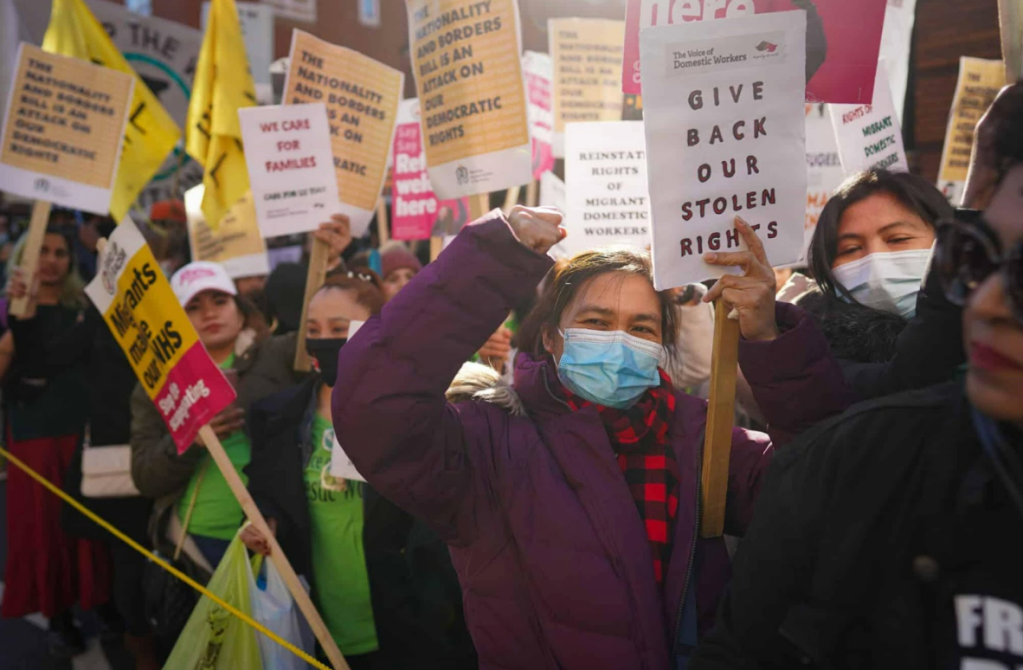
Despite its noble foundations, diplomatic immunity still has major loopholes. Domestic worker cases are particularly vulnerable to claims of diplomatic immunity. The case of Shamela Begum, who was a migrant domestic worker, found herself in an abusive and humiliating environment where she worked long hours and received well below the minimum wages common to domestic employees working for foreign government officials on special temporary work visas. Like many other cases involving diplomats, cases brought by abused domestic workers have often been dismissed for lack of jurisdiction on account of diplomatic immunity asserted by the diplomat being charged, or otherwise have been unsuccessful for the domestic worker plaintiffs. In some cases, the use of the diplomatic immunity defence has been justified on policy grounds. There are only 2 cases, Ahmed v. Hoque and Paredes v. Vila, where we can see that diplomats were prosecuted. These two illustrations show us that while immunity is a strong shield of the Vienna conventions, courts have occasionally shown that there is no blanket license of abuse.
International Norms & Human Rights
Aside from treaty-based immunity, there is a need to acknowledge that international labour and human rights mechanisms are increasingly reforming the way states and courts handle diplomatic immunity in domestic-worker cases. The Palermo Protocol on trafficking in persons requires states to criminalise and prosecute human trafficking, even where victims have a favoured status. In the same vein, the ILO Domestic Workers Convention mandates member states to uphold just terms of employment, decent working conditions, and effective legal protection against abuse for domestic workers, some of whom are working in diplomatic residences. Together, these tools point towards a consensus that immunity should not be used to protect violations of jus cogens norms. Enacting such standards in domestic adjudication and policy reforms guarantees that the balance between diplomatic responsibilities and human dignity is maintained.
Mechanisms and accountability
To address the misuse, the Vienna Convention addresses these issues through articles 9 and 32. Article 32 allows the sending states to waive immunity, which further enables the host states to prosecute the diplomats. Under Article 9, diplomats may be declared persona non grata. A key thing to keep in mind is that these remedies are politically sensitive, as states are reluctant to waive immunity for fear of the same treatment received by their diplomats abroad. The whole conversation of diplomatic immunity is to strike a balance. The balance between international necessity and domestic accountability. While immunity ensures that the diplomatic channels work smoothly in times of conflict, the misuse of immunity shakes the confidence of the public and challenges the rule of law. Methods like strengthening internal oversight by sending states or voluntary waivers of immunity in cases which involve serious offences, as well as fostering transparency, may serve as a middle path.
Conclusion
Diplomatic immunity is one of the pillars of international relations, enabling states to maintain communication with each other even during times of war. The same architecture that makes international collaboration possible also leaves it vulnerable to a critical failure of accountability when immunity is used beyond its original purpose. The Vienna Convention was never meant to protect individuals from liability for serious misconduct. Its purpose was diplomatic immunity during conflicts. Still, its provisions have frequently been used in cases of exploitation and abuse. Although occasionally pierced by courts, as in Ahmed v. Hoque and Paredes v. Vila, such cases are still few and far between and insufficient to discourage widespread abuse.
To proceed, a strategy is required, one that maintains the protection of the functional autonomy of diplomacy while preventing immunity from being translated into impunity. Waivers of immunity, stronger internal accountability mechanisms, and a need for closer alignment with international human rights standards are required steps. These reforms are needed to maintain the legitimacy of the Vienna framework while also strengthening its vulnerabilities.
About the author
Simar Kaur is a second-year B.Com. LL.B. student at Jindal Global Law School, with an academic interest spanning international law, human rights, and global justice. She is passionate about uncovering stories through legal and political narratives that often go unspoken.
Image source: https://tlblog.org/no-immunity-for-diplomats-who-hold-domestic-workers-in-conditions-of-modern-slavery/
 NICKELED AND DIMED