
By – Poorvanshi Tyagi
Abstract
The year 2012 brought Over The Top(OTT) platforms to the forefront of India’s Media & Entertainment industry. Though relatively unknown in its formative years, OTT platforms managed to attract millions of Indian users with the onset of the pandemic, growing into a large-scale industry. This article sheds light on the rise of OTT platforms in India with respect to the birth of digital space in the state, and its impact on traditional television economy and soap opera production. It also explores the changes in consumer perceptions and choices that drove the OTT industry to success.
Introduction
The relatively stagnant Indian television industry of today withholds a long history tracing back to the late 1950s, which accounts for its rise and decline within the realm of media and entertainment. Television production was invited into a newly independent India as a means for advancing education and entertainment. It sought to reach the rural, unprivileged masses, as a tool for development communication.
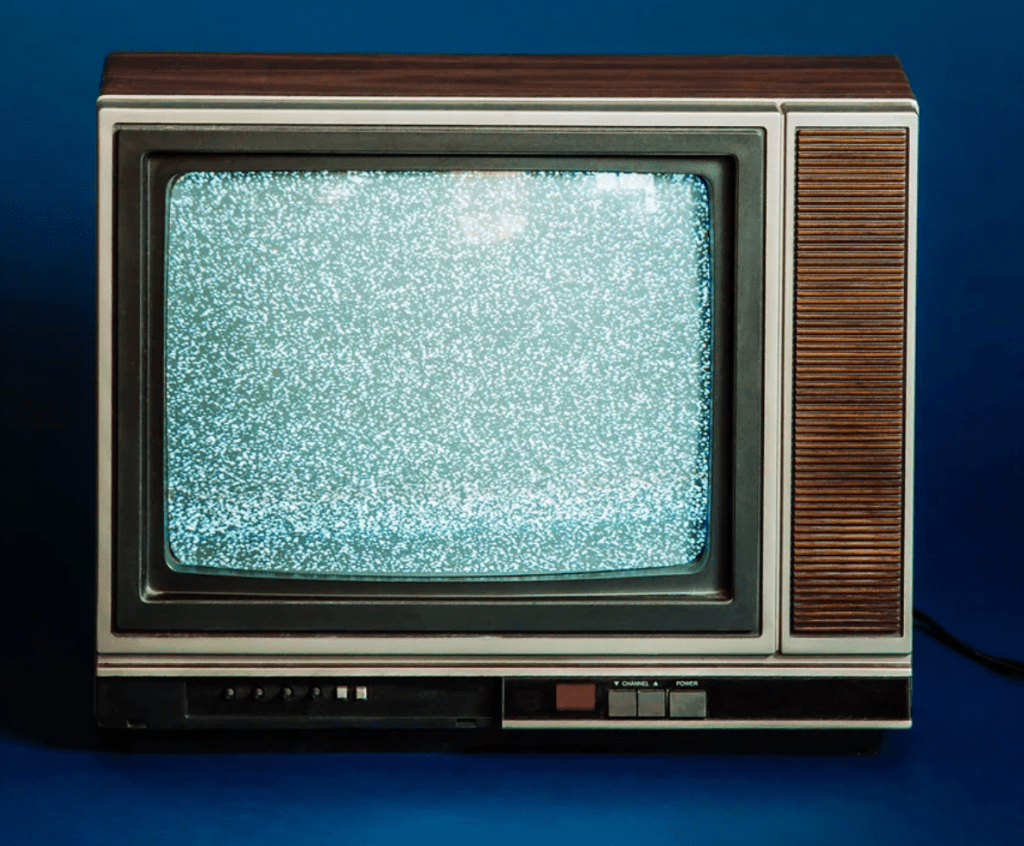
The popular public broadcast channel Doordarshan, run by the government board Prasar Bharti, started out as an experimental telecast in Delhi, in September 1959. In its early days, Doordarshan broadcasted educational content for students and farmers. With technological advancements like colour segment and economical changes like commercialisation and privatisation of television in the 1980s, the trajectory of Doordarshan programmes shifted from educational content to entertainment in the form of soap operas, feature films, songs, as well as advertisements. The beginning of the soap opera era of television with popular series like Hum Log that sought to resonate with the average traditional Indian household opened up a new arena for Doordarshan and television production in the subcontinent. This pivotal space, growing into a hub of 183 million television households and more than 100 million pay television households, has over the years witnessed a gradual shift towards digitalization, weakening its economic and culturally persuasive capacity.
Digitalization in India opened a space for wider reach to the masses, making internet easily accessible. The introduction of 4G services in 2012 at cheap prices accounts for a growing preference among individuals for personal smart devices over traditional media tools for media consumption..
Over The Top or OTT platforms which provide content to digital users without multi-cable or direct satellite television hugely benefitted from the new born digital space in the country. Today, the OTT industry accounts for over 547 million Indian users. This digital realm poses a threat to traditional media sources, contributing to the decline of the golden Indian television economy which has served as the backbone of the Media & Entertainment industry for decades.
Economy of OTTS : Digital Transformations & Consumer Perceptions
The success journey of OTTs in India started first with the launch of SonyLiv and Zee 5 in 2013. It gradually expanded to assimilate local and regional competitors such as MX Player and SunNXT. The OTT space however, received its highest recognition at the coming of Hotstar, which coincided with the 2015 Cricket World Cup and IPL (Indian Premier League). Initially garnering attention by millions of users due to the accessibility of sport tournaments, Hotstar (now JioHotstar), is now the most subscribed OTT platform in India with over 500 million online users.
The economic growth of the OTT industry further heightened during the Covid-19 years. The total number of OTT users grew from 184 million in 2018 to over 351 million in 2022. Revenue generation from OTT services in India surged from $0.49 billion in 2019 to $1.8 billion in 2022, attracting significant investment to the platform. The industry’s pandemic popularity came as a result of consumer access to a diverse range of content, from documentaries to series and new releases. The lockdown conditions further gave impetus to switch to digital platforms over cinema theatres. The diversification of content on platforms like Netflix and Prime widened the scope of watching for many, exposing them to different forms of media such as Asian soap operas – Japanese animes, K-dramas, etc. The COVID-19 years cemented OTT platforms in the fabric of the Indian Media & Entertainment industry.
Positioning the economy of OTTs in the larger context of a digital transformation in India reveals consumer perceptions and changing interests that have not just contributed to its rise but also been shaped due to OTT consumption. One of the main indicators of OTT growth is its proven accessibility and convenience. Pricy Direct To Home(DTH) and multi-cable connection subscriptions and the limited availability of television content gradually turned unfavourable in the face of the growing digital space. OTT platforms proved to be compatible with personal devices like smartphones, tabs, and laptops, widening media consumption to suit its users’comfort. During the pandemic at the height of its success, OTT services may also have contributed to lifestyle changes among its users. The convenience and diversity of the platform has contributed to a relatively sedentary attention deprived young population, gradually falling into alienation. It has reprogrammed lifestyles in a way the age of television never could, given its comparatively limited use.
The Indian Television Economy & The Decline Of The Soap Opera Era
The dominance of OTT services has somewhat sidelined the age-old television industry which now accounts for much less revenue due to decrease in viewership and high production costs. Consumer changes have also left a huge impact on employment, reportedly reducing Local Cable Operators’ (LCOs) employment level by 31% from 2018 to 2024. Pay tv homes are expected to decline by 30 to 40 million by 2030, painting a grim picture for employment within the realm.
The vast variety of content on OTT platforms also suck out profitability from key elements of the TV industry, especially soap operas. What served as the backbone for the Indian TV households face economic danger as consistent low TRPs threaten production choices. The transnational nature of OTT content overpower the Hindi-dominated TV serials which limit cross-linguistic interaction, having wanted to represent a single notion of ‘tradition’ and ‘nationalism’. For instance, the gradual shift of Star Plus to a completely Hindi programming channel in the early 2000s with shows like Kyunki Saas Bhi Kabhi Bahu Thi. Previously run soap operas like Kumkum Bhagya would run over 1000 episodes while shows now cannot live up to a one year mark. Henceforth, TV broadcasters and producers are looking to expand their arenas to OTT platforms for better engagement.
Conclusion
The fascinating introduction of Doordarshan and the subsequent era of soap operas has become a period of nostalgia against the backdrop of the growing economy of OTT services. Traditional linear television watching – a family pastime which strengthened bonds, has been deconstructed into individual media consumption, propelling social isolation in the digital age. The rise of OTT platforms, however, has helped create a global digital environment for its users, connecting them to cross-cultural and international content which fosters cultural exposure. The economic repercussions nevertheless add to the Indian Media & Entertainment industry, a far more demanded and convenient platform which easily connects masses all across the subcontinent. Nonetheless, this has proved to be fatalistic for the Indian television economy, which is expected to crumble further in the coming years.
About The Author
Poorvanshi Tyagi is a second year student at Jindal School Of International Affairs, O.P. Jindal Global University, Sonipat. She is currently pursuing a Bachelor’s in Global Affairs and a diploma in Literature. She is a published poet and an avid reader. She is open to research opportunities in the field of education, sociology and cultural anthropology. Besides, she enjoys dancing and music.
Image Source :https://www.theguardian.com/film/article/2024/aug/08/traditional-tv-is-dying-can-networks-pivot-and-survive
 NICKELED AND DIMED