
By – Sujal Bamal
Abstract
A preference that is established on the obsession of molding the female body to soothe the male gaze is a system of control disguised as beauty. Rooted in gendered, economic and cultural power, aesthetic standards emerge at the start of every decade and the female anatomy serves as the canvas upon which the said standards are imposed, often very vigorously through fashion magazines and media. The system seeks to erode bodily autonomy while simultaneously defining desires, changing compliance to virtue.
Victorian Asphyxiation of the Feminine Body
One of the most prominent examples of this is the ‘corset’ from the Victorian era which was seen as a symbol of economic status, femininity and submission.
Worn to have the effect of an unnaturally cinched waist to achieve the highly desirable hourglass figure, the corset was a strong catalyst for patriarchal control. Women normalized and internalised this ideal, often compromising physical wellbeing to fit the aesthetic expectations prevalent in that era. Wearing a corset meant restricting your breathing, compressing your internal organs and having a potentially deformed ribcage, yet they were essential to the daily attire worn by “respectable” women. This was more than just a fashion ideal but a bodily display of femininity, class, and discipline, thereby implying that a woman’s value stems from her physical form and her ability to self-regulate with the changing societal norms.
Jump to the present, while the concept of a corset as an essential undergarment has long since faded, similar ideological undercurrents exist undeterred. From snapchat filters to plastic surgery, the recent “clean girl” makeup standards and other new beauty economies continue to capitalise and mould the female body. Bodies are less autonomous and more of a design prototype for social capital, often with huge financial expenses and physical toll. Submission pervades the bioeconomy of beauty even today, the only difference being the waist trainers, lip fillers and workout routines marketed as “glow ups” and empowerment. It is a cruel paradox: having the freedom of choice but the choices are restricted to the ongoing ideals of beauty and desirability.
This commodification of beauty, which some call the bioeconomy of beauty, operates in circles. Cultural preferences, specifically whatever is deemed feminine and attractive increases demand. The demand fuels fashion, wellness and cosmetics industries which then reimpose and heighten the preferences which feed the economy. Regrettably, the female anatomy is the site for this give and take. Just as the corset did all those years ago, the modern practices hide structural exploitation underneath the disguise of self-fulfilment. The tools may be variable but the relentless cultural persuasions to obey, deliver and profit from a body one inhabits is a constant.
The Ethiopian-Ring Trap
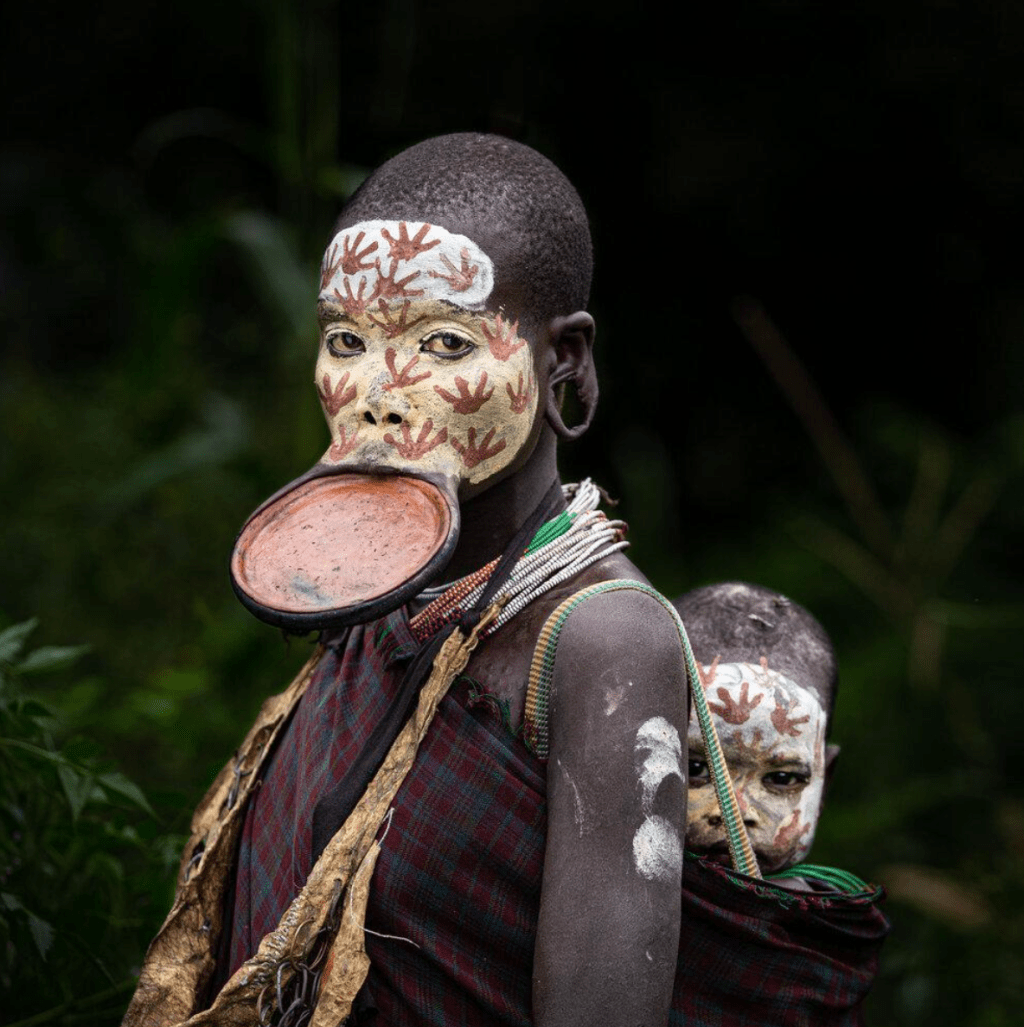
originated as a protective practice against slave trade, the Ethiopian tradition of placing metal discs in women’s lower lips has a fascinating tale. It is practiced by one of the largest tribes in Ethiopia: The Surmas. It was supposed to make women less attractive to foreigners but eventually it became a tradition. A tradition that was honorary for young girls to accord to. It also carried a social and financial prestige for the men in the tribe. Bigger lip plate sizes directly influenced dowry. Hence, the tradition cultivated into a symbolism for the indigenous men. A defense mechanism turned into a symbol of pride and beauty, this physical mutation is purported to be a choice for the young girl in the tribe. It is a subtle guise of independent choice-making which insidiously covers the obvious fact that not following traditions in a tribe is dangerous especially for a young girl. The government has put pressure on the Surma tribes to abandon this practice as it is a cause for infection, injury and permanent damage.
While culture creates such practices in the first place, it is the transformative manner of faith and belief which converts practice into tradition. Over time, people succumb to the normalcy of such bodily violence and accept it as ancestral heritage. This weave of tradition and heritage, a part of culture, leads to the generation of views and opinions on women’s bodies without their consent. Because culturally, tradition precedes consent. It very clearly overrides individualism and conspicuously imposes a group identity on the female body. This is largely visible in the concept of ‘ird’. The Egyptians tied nationalistic honour to female bodies to collectively fight imperialists. To them, the nobility of the cause justified the oppression of a gender. Which is mirrored in the East African disc inserting practice. Moreover, the size of lip plates is proportional to the size of the dowry. The larger the plate, the higher the dowry for that woman. Consequently, an economy is given birth, one that consists of lip breaking, design-laden discs and irreversible damage to female lips.
The Post-Colonial Wrinkles on Asia
A country’s population near the equator balances the Sun’s heat with a higher dosage of melanin in the skin. This scientific fact is lost in the oblivion of a deeply tilted Indian racial bias. The remnants of European beauty ideals are still etched vividly on Asian minds. It is witnessed in the Western obsession with fair skin trickling down to post-liberalization India. The sub-continental dislike of a feature (brownness) that represents its authentic identity is one of the many trojan horses that the British left to the Indian peninsula. Commonly, the recipients of this harsh ideology are women. They are supposed to bear the costs of this deep-rooted desire of whiteness. Women and men of Asian origins are targeted by skin whitening creams. The psychological upset that the marketing of such products causes results in loss of self esteem and confidence in darker skinned individuals. A plethora of Western cosmetic brands are behind these creams which were only recently acknowledged as problematic. Although following the nascent footsteps of politically correct and pivoting media, these creams were just rebranded into glow products for a population that was purportedly headed to a not-so-bright future without them.
Simultaneously, the Filipino Skin Whitening Industry has erupted directly because of American colonial rule. Dark skin is linked to lower incomes and poor housing, so the lower-strata population of the Philippines believes in a light skin supremacy which if achieved will solve all their problems. Hence they buy into skin whiteners and the remedies that these companies sell and physically ruin women (and men) with. These products are found to contain mercury in them, which can lead to rashes and skin cancer. This industry is a stark example of a bioeconomy built on exploiting cultural insecurities. It has carried on to the modern day. While women are primary targets of such capitalistic campaigns, entire societies are vulnerable to this attack on skin.
Asian society can become more accepting and compassionate only by educating and exposing the younger generation to a more realistic mindset, one that understands success is not tied to skin colour. Perhaps their effort needs to start from not polishing the exterior but welcoming the interior- without judgement, false hopes and critique.
About the Author
Sujal is a student at O.P Jindal Global University, currently pursuing his LLB degree. In pursuit of excellence in storytelling, he constantly strives to explore new avenues in the global political sphere. A background in commerce studies helps him connect the dots between uncertainty and reality which he hopes to reveal through his passion for writing.
Image Source : https://www.jaynemclean.com/blog/surma-suri-mursi-tribes-of-ethiopia-lip-plates
 NICKELED AND DIMED