
By – Anubhi Srivastava
Abstract
India’s public transport system stands at a crossroads. While public systems ensure affordability, they often suffer from inefficiency and poor service. Privatisation brings innovation but risks inequity and exclusion. Drawing from global models and domestic public-private partnerships, this paper argues for a hybrid and regulated approach that integrates equity, environmental sustainability, and digital innovation. Addressing gender, class, and climate concerns, it proposes a people-centric model that ensures India’s urban mobility is not only efficient but also inclusive and just.
Introduction:
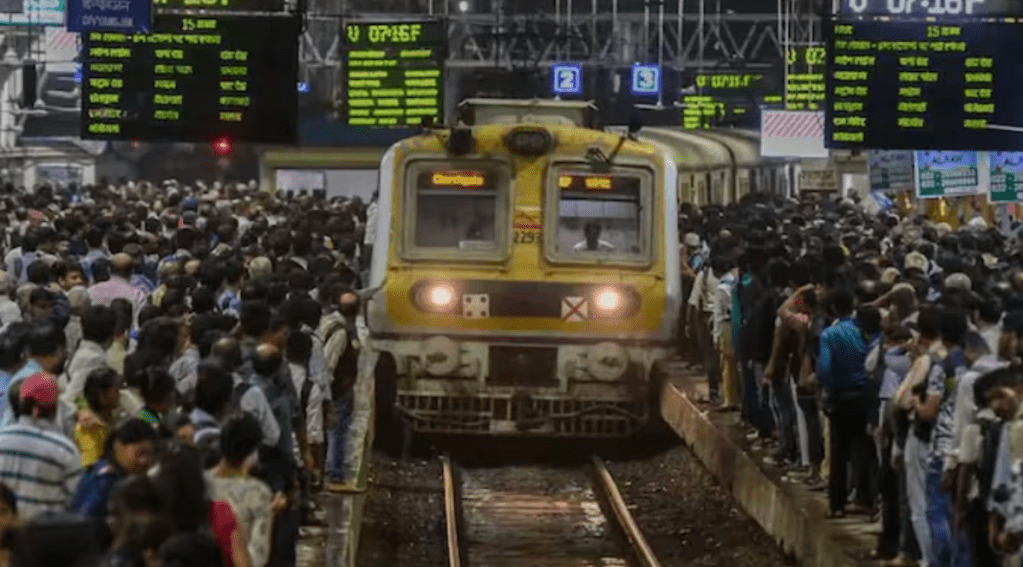
The Indian Public transport traditionally has been state-owned and was designed to offer affordable mobility to all sections of society. Public systems like the Delhi Transport Corporation (DTC), Mumbai’s suburban rail network, and Kolkata’s tramways have long served as lifelines for the urban poor and working-class populations. It ensures social inclusion as it enables access to employment, education, and healthcare for millions. However, it also often suffers from inefficiency with poor fleet maintenance, limited technological innovation, and irregular service. It is often unreliable and overcrowded, thereby discouraging middle-class ridership and pushing commuters towards private vehicles or other alternatives.
Privatisation:
Privatisation is often believed and complimented for its ability to bring efficiency with a heavy focus on customer needs and innovation. Private bus operators, and app-based cab services like Ola and Uber have introduced cleaner vehicles with better customer service and dynamic pricing systems. They have improved user experience, reduced travel time, and introduced app-based convenience at the click of a button. However, one of the biggest concerns is affordability. Private operators are driven by profit motives, with pricing services often beyond the reach of low-income commuters. Furthermore, there is a risk of market monopolisation where only a few players dominate the market and impact/influence the costs. Additionally, app-based transportation has also contributed to gig worker exploitation, thereby raising labour rights concerns.
Moreover, International examples show that privatisation alone does not guarantee success. What matters is the regulatory environment, the role of the state, and the focus on equity in urban planning. For example, the Singaporean government retains control over key elements of the MRT, the public transportation system, including transport infrastructure, route planning, and fare regulations. Meanwhile, private operators are contracted to manage day-to-day operations. This hybrid model allows the state to pursue public goals such as affordability and punctuality while benefiting from the operational efficiency of privatisation. This has led to a well-integrated and punctual system that is heavily utilised by citizens across income groups.
Public-Private Partnerships:
India has also already experimented with public-private partnerships (PPPs) in urban transport. Projects like the Hyderabad Metro and Mumbai Urban Transport Project (MUTP) have leveraged private capital to address public infrastructure gaps. They offer a way forward, but only if designed with equity and accountability at their core. Risks must be equitably shared between public and private partners. Contract terms should mandate service delivery to low-income neighbourhoods, include affordability clauses, and require environmental and labour compliance.
The World Bank’s recommendations highlight the need for capacity-building within government institutions to handle such complex contracts. They also stress the creation of multimodal systems, where rail, bus, and other forms of transit are integrated through unified ticketing and digital platforms aimed at improving commuter convenience and reducing systemic inefficiencies.
Socio-Economic and Environmental Factors:
Beyond the questions of efficiency and financing, India’s urban transport debate must also address broader societal and environmental concerns. Societal concerns involve access to safe and reliable transport as being deeply gendered and not sensitive to age. Many women report harassment, poor lighting, and overcrowding as barriers to commuting. Public transport systems also often lack uniform and inclusive design features, which leads to the exclusion of elderly and disabled passengers. Hence, future reforms must prioritise gender-sensitive infrastructure, safety audits, and inclusive planning frameworks that reflect such diverse needs.
Public transport plays a vital role in reducing India’s carbon footprint. The transport sector contributes heavily to India’s total CO₂ emissions. Expanding low-emission public transit is essential to meeting India’s climate commitments. In this context, upgrading ageing fleets with electric buses, promoting non-motorised transit, and reducing reliance on private vehicles are no longer just options but necessities.
Economic factors include fiscal sustainability, which is a growing challenge. While public transport must remain affordable, heavy reliance on state subsidies can prove difficult to sustain amid competing development needs. This calls for innovative financing strategies, such as land value capture, advertisement rights, congestion pricing, and corporate partnerships to cross-subsidise operations and reduce the pressure on government budgets.
Finally, technological innovation offers a pathway toward more efficient and commuter-friendly systems. Indian cities like Kochi are experimenting with real-time passenger information, unified smart cards, and GPS-based fleet tracking. Such digital tools not only streamline operations but also improve safety and transparency.
When all these factors are considered together, it suggests that reforming public transport is not just about choosing between state and private models but also about adopting a holistic, inclusive, and future-facing approach.
Conclusion:
In conclusion, India needs a balanced approach where private players are incentivised to innovate but within a policy framework that upholds affordability, inclusion, and sustainability. As cities grow, with climate and socio-political pressures intensifying, urban mobility will remain a crucial and central challenge. A smartly regulated and people-centric transport system is the road India must take to ensure that its cities move not just faster but fairer.
Image Source: https://www.indiatoday.in/india/story/what-ails-our-public-transport-system-and-whats-the-way-out-2304307-2022-12-02
 NICKELED AND DIMED