

By – Apoorva Lakshmi Kaipa
Abstract
This article will explore the vibrant and longstanding presence of LGBTQ+ identities within Indian culture, one that predates colonial influence and religious orthodoxy. This article examines sacred texts and traditional practices that reveal India’s historical acceptance of diverse gender identities and sexualities, while tracing how colonial influence distorted these indigenous perspectives. By reclaiming these stories, this article aims to challenge the modern perception that LGBTQ+ existence is un-Indian and reassert its rightful place within the cultural fabric of the subcontinent.
Introduction
Through the long and tedious battle of decriminalising homosexuality in India, several Indian Politicians such as Subramanian Swamy have stated that “homosexuality goes against Indian culture and tradition“. Such factually incorrect claims could have been dispelled by consulting the very scriptures and historical sites that reflect the longstanding presence of LGBTQIA+ identities in Indian culture. Misinformed Indians, along with politicians, have been silencing these voices and erasing their rich history. The article delves into ancient Indian texts and mythology that celebrated gender fluidity and same-sex relationships, shedding light on how these narratives were systematically marginalised.
Mythological Stories
Ancient Indian epics such as the Mahabharata provide rich narratives of gender diversity and transformation. For example, Shikhandi, born as a girl (Amba), is reborn and later transforms into a male to fulfil a vow of revenge against Bhishma. The story of Shikhandi represents one of the earliest accounts of gender transformation in Indian literature. What makes this narrative particularly significant is that Shikhandi’s gender identity wasn’t portrayed as a disguise or trick but was a divine transformation integral to the epic’s plot, as only through becoming a man could Shikhandi fulfil their destiny in the battle of Kurukshetra. This character shows the presence of Transgender identity and gender transition and does not sideline their stories and voices in Hindu epics.
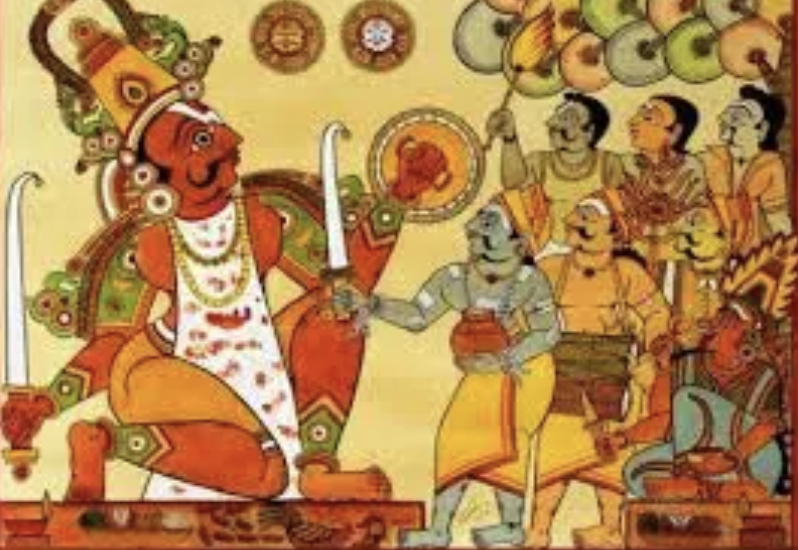
Image Source : https://atmanism.wordpress.com/2017/10/11/the-story-of-aravan-the-god-of-the-transgender/
Similarly, in Tamil retellings of the Mahabharata, Aravan, a son of Arjuna (as shown in the picture above), agrees to die for the Pandavas but requests to marry first. Krishna assumes the form of Mohini (a female avatar) and marries him before his sacrifice. Krishna’s transformation was not portrayed as deceptive but as an expression of divine love and compassion. Even today, this story is celebrated annually at the Koovagam festival in Tamil Nadu, where transgender women reenact Mohini’s marriage to Aravan.

Image Source : https://www.thenarrativeworld.in/Encyc/2024/10/20/Shiv-and-Shakti-The-concept-of-Ardhanareeswara.html
Ardhanarishvara is the composite form of Shiva and Parvati, representing the unity and inseparability of masculine and feminine principles. Depicted with the right side as male and the left as female, the divine form transcends binary gender concepts entirely. Being an important part of the shiva purana, the Ardhanarishvara is one of the most accepted forms of queer representation in Hindu mythology. Ardhanarishvara is often portrayed in Indian classical dance forms and temple sculptures across India, particularly in Tamil Nadu and Odisha (Ghadghadi Mandir, Keonjhar). This concept suggests that divinity itself exists beyond gender binaries, offering a powerful counterpoint to modern rigid gender constructs.
Numerous Hindu myths feature divine beings who embody multiple sexes simultaneously or who change sex according to need or circumstance. These include figures like Lakshminarayan (composite Vishnu-Lakshmi) and certain forms of Ganesha with feminine attributes. These deities were not marginalised but were worshipped with the same devotion as other gods, indicating acceptance of intersex and gender-fluid identities.
In the Bengali retelling of the Ramayana (Krittivasa Ramayana), King Bhagiratha, who brings the Ganges to earth, is born from the union of two women through divine intervention. This shows the legitimacy of same-sex love in Hindu culture. Bhagiratha became one of the most revered figures in Hinduism, suggesting that children of same-sex parents were viewed as equally capable.
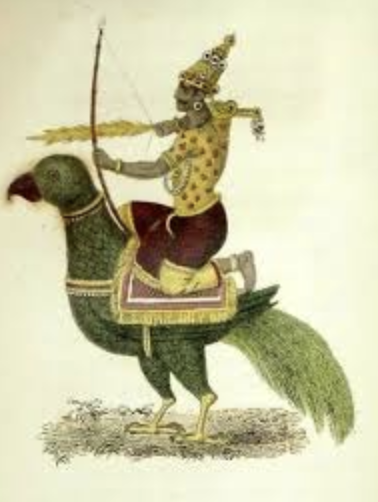
Image Source : https://hinduismfacts.org/hindu-gods-and-goddesses/kamdev/
From the Skanda Purana, Kama, the god of desire, is depicted as androgynous representing the universality of love. Kama’s arrows affect all beings regardless of gender, demonstrating that attraction exists on a spectrum rather than in rigid categories. The presence of these stories in sacred texts accorded legitimacy to diverse gender expressions and sexualities within traditional Indian society. Far from being taboo, these identities were often associated with divine blessings, spiritual insight, and cosmic balance. This inclusive view of desire stands in contrast to colonial-era sexual mores that would later be imposed.
Modern Era
Despite this rich history of acceptance, colonial rule brought profound changes to how gender and sexuality were perceived in Indian society. British Victorian morality and legal codes (particularly Section 377) systematically criminalized and stigmatised these identities in India. The introduction of Section 377 under the Indian Penal Code in 1861 criminalised “carnal intercourse against the order of nature”. This implementation authorised the discrimination and abolishment of homosexuality under the law according to the interpretations of the section. Colonial education systems reframed Indian mythology and downplayed LGBTQ+ elements and cultural practices. For instance, Hijra traditions were marginalised, while they were considered customary before colonial rule. Though the British left India, their rules and ideas remained entrenched in Indian society. As mentioned before, the current political rhetoric misrepresents Indian history. It must be corrected to signify the vastness of the Indian past.
Conclusion
The erasure of India’s queer heritage represents a colonial wound that continues to alienate millions from their cultural birthright. LGBTQ+ identities are deeply rooted in Indian culture and heritage. Anti-LGBTQ+ sentiments are colonial imports and not Indian tradition. Decolonisation must include reclaiming our sexual and gender histories from ancient texts, temple art, and folk traditions, challenging those who falsely claim that these identities contradict “Indian values.” Modern advocates like Anjali Gopalan, Ruth Vanita, and organisations such as Beloved Arise are forging connections between contemporary movements and historical foundations. Artists incorporate gender-fluid deities into classical performances, bridging ancient and modern expressions of identity. The path forward lies in rediscovering indigenous traditions of inclusion. With constant misrepresentation of our past, we must respond with our authentic history, where gender fluidity was divine, and diversity was celebrated. In reclaiming this legacy, we recover a piece of India’s soul that colonisation sought to erase.
About the Author
Apoorva is an undergraduate student doing law at Jindal Global Law School. She is interested in exploring the intersection of feminism, law, and social responsibility.
Image Source : https://www.queerarthistory.com/tag/rajput/
 NICKELED AND DIMED