
By Ananya Bhardwaj
Abstract
The “Manic Pixie Dream Girl” (MPDG) archetype, a whimsical and eccentric female character who exists primarily to inspire and uplift a male protagonist, has become a pervasive trope in literature and cinema. While she may appear enchanting and free-spirited, this character often embodies deeply ingrained gender stereotypes and reinforces patriarchal ideals. This article deconstructs the MPDG trope, examining its origins, impact on gender dynamics, and broader societal implications.
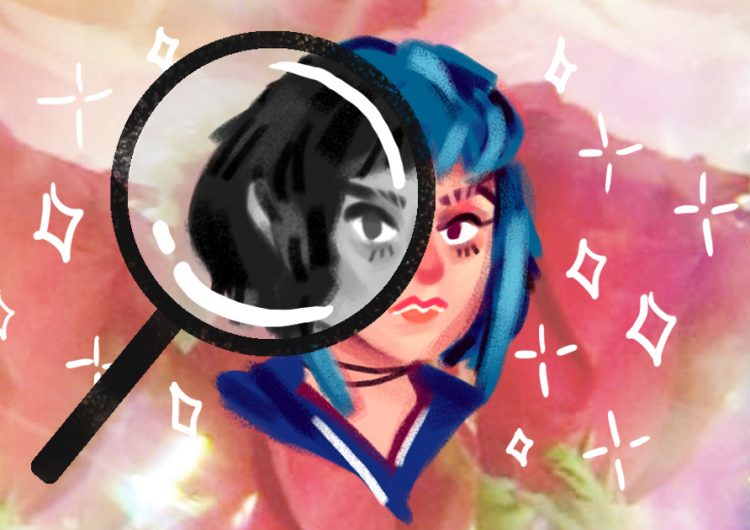
Once, I told you I was afraid of my father, and for a moment, I looked so human, the audience lost interest. You saw the crow’s feet at the sides of my eyes and a small chip on my front tooth.
I looked just like everyone else.
Introduction: The Allure of the Manic Pixie Dream Girl
In the realms of literature and cinema, certain characters transcend their narratives, leaving indelible impressions upon our collective imagination. One such character archetype is the “Manic Pixie Dream Girl”. Her whimsical nature and seemingly boundless zest for life have lent a touch of magic to countless stories. Yet, as the layers of this character trope are peeled back, we find ourselves confronted not only with its enchanting allure but also with a reflection of deeply ingrained gender stereotypes and societal expectations.
Origins and Evolution of the MPDG Trope
The term “Manic Pixie Dream Girl” was coined by Nathan Rabin in 2007 during his critique of the movie Elizabethtown (2005). However, this archetype had existed in cinema long before it was given a proper name. After Rabin, the term gained widespread popularity, leading to the identification of manic pixie dream girls in various forms of literature and media, including books and movies.
The phrase illustrates what it means, manic suggests madness or wildness, “pixie” conjures images of fairies or fantastical creatures, dreams as in an imagination, and a girl being a woman. Essentially, she stands to be an eccentric, almost magical out-of-the-box unrealistic woman who defies conventional norms. It almost seems comical but that’s precisely what defines this archetype. Over the years, writers and directors have portrayed this type of woman as the ideal one. We’ve seen her in mainstream Hollywood, Bollywood movies, and in many young adult novels.
The Idealization and Objectification of Women
Critics have observed and suggested that she’s a man’s fervent imagination. She makes the brooding hero smile, she brings sunshine to a dull grey world and replaces sadness with happiness. While some might argue this is a form of artistic expression or something to add lightness or humour to a piece of literature, this has drastic implications for women. The article identifies several problematic things with this archetype, from objectification to lack of agency, and it consequently, puts women in a box which makes it almost impossible for them to get out of.
A central concern of the trope lies in the depth—or lack thereof—of the characters it portrays. Manic Pixie Dream Girls often lack the autonomy and narrative complexity to be truly engaging. They are frequently defined by their unique quirks rather than their aspirations, fears, and growth. This raises questions about the responsibility of storytellers to create well-rounded characters who can exist beyond their role as mere narrative devices. These films and literature have a huge impact on women’s everyday life, these give the outlook to men of all ages as to what and how should a woman be.
Nicole Vincent in her paper highlights how “The concept of a manic pixie dream girl has created a set of unachievable guidelines that seek to turn women from their former organic selves into caricatures.” In a society where women are already subjugated and considered as subordinates to their male counterparts, this trope or idea puts unnecessary pressure on them. The pressure to be perfect. This also puts women on a pedestal where they are seen as creatures with ultimate kindness and selflessness. Words like childlike, childish, affectionate, and caregiving are used to describe her, which leads to real women being indirectly coerced into behaving the same way as that is what is considered the ideal way to be. This however can never be completely achieved.
This trope is misogynistic and male chauvinistic. At its core, the Manic Pixie Dream Girl trope reinforces traditional gender roles, positioning women as mere catalysts for male self-discovery The manic pixie dream girl deprives women of “self-perpetuating motivations and reinforces compulsory, conventional femininity.” This dynamic perpetuates unequal power dynamics in relationships, suggesting that women exist primarily to support and uplift men. Directors feel the inclusion of a “dream girl” character draws a crowd, completely ignoring “the visceral danger of treating women, real or fictional, as satellites orbiting the lives of men”. The presence of a dream girl “subverts female progress by glorifying the role of the caretaker,” deeming it a mere means to achieve male self-realization. The female lead is tasked with the sole responsibility of bringing the male protagonist back to life while still appearing beautiful, comical, sexually experienced, and open to being rescued. Instead of realistically portraying the ability of women to be autonomous, these films instead capitalized on “perpetuating the myth of women as muses and caregivers rather than independent entities” A critical lens reveals the problematic nature of such portrayals. Manic pixie dream girls are rarely developed as individuals with their own aspirations, histories, or struggles, which can be dehumanizing.
The primary focus of this trope is how this dreamy girl is ‘not like other girls’. There stands to be nothing wrong with being different from the traditionally thought feminine traits, however, this is stressed way too much here. It is almost like femininity is seen as something bad or something which is supposed to be degrading. Also, it reinforces the idea that being excited, wild, free, daring, and adventurous is something not all women can be or something different from femininity. This particular identity also demeans the classic female characteristics. Because our dreamy girl is not like other girls, she stands out, however, it does come out as condescending towards other women in general.
Societal Implications and Gender Dynamics
The manic pixie dream girl is seen through the eyes of a man. The presence of manic pixie dream girls in the world does not just impact the male gaze; upon further inspection, their existence can change the way women themselves want to be seen. The potential harms that lie within a postfeminist lens can easily be linked to the media’s tendency to turn a capable woman into an “almost broken accessory”. Capitalists or men in positions of power, all see women as inferior to them or as somebody secondary in their eyes and often assume that their only purpose in workplaces is to aid the men towards better output. Also, this puts the idea in society that a woman’s existence is for a man’s development. Incapable of having her ideas or ambitions, her life revolves around the man. The trope can undermine feminist ideals by promoting passive female characters who exist solely for the benefit of male protagonists.
The Manic Pixie Dream Girl trope reflects cultural and societal attitudes toward women’s behaviour and their place in relationships. It reflects how media showcases as well as perpetuates these thought processes and ideals. They hold the power to shape and mould societal perceptions. However, there is a growing awareness of the limitations of this trope and a desire for more authentic, and complex storytelling. The presence of well-rounded female characters in recent media reflects a cultural shift towards challenging conventional storytelling norms and redefining the role of women in narratives. This evolution signifies a critical moment in media, where the need for authentic, relatable characters is being recognized and embraced, paving the way for more empowering representations of women in the future.
About the Author:
Ananya Bhardwaj, a student at Jindal Global Law School in her third year of BBA. LLB (Hons).
Source: https://www.scoutmag.ph/32733/stop-romanticizing-manic-pixie/
 NICKELED AND DIMED