

By Prabhroop Kaur
ABSTRACT
A significant reality that humankind often ignores is that nature is not just a
mesmerising backdrop but also the cornerstone of our economic progress. To
account for the disappearing wildlife population and vanishing woodlands, it
becomes even more important to incorporate the genuine value of nature into
commercial decision-making. This article embarks on a journey to unravel the
hidden wealth within nature’s bounty and the frameworks that can make this
possible. Starting with an overview of the lesser known- ‘natural capital’,
expanding to the GEP framework, and how the approach has been used to solve
real world challenges.
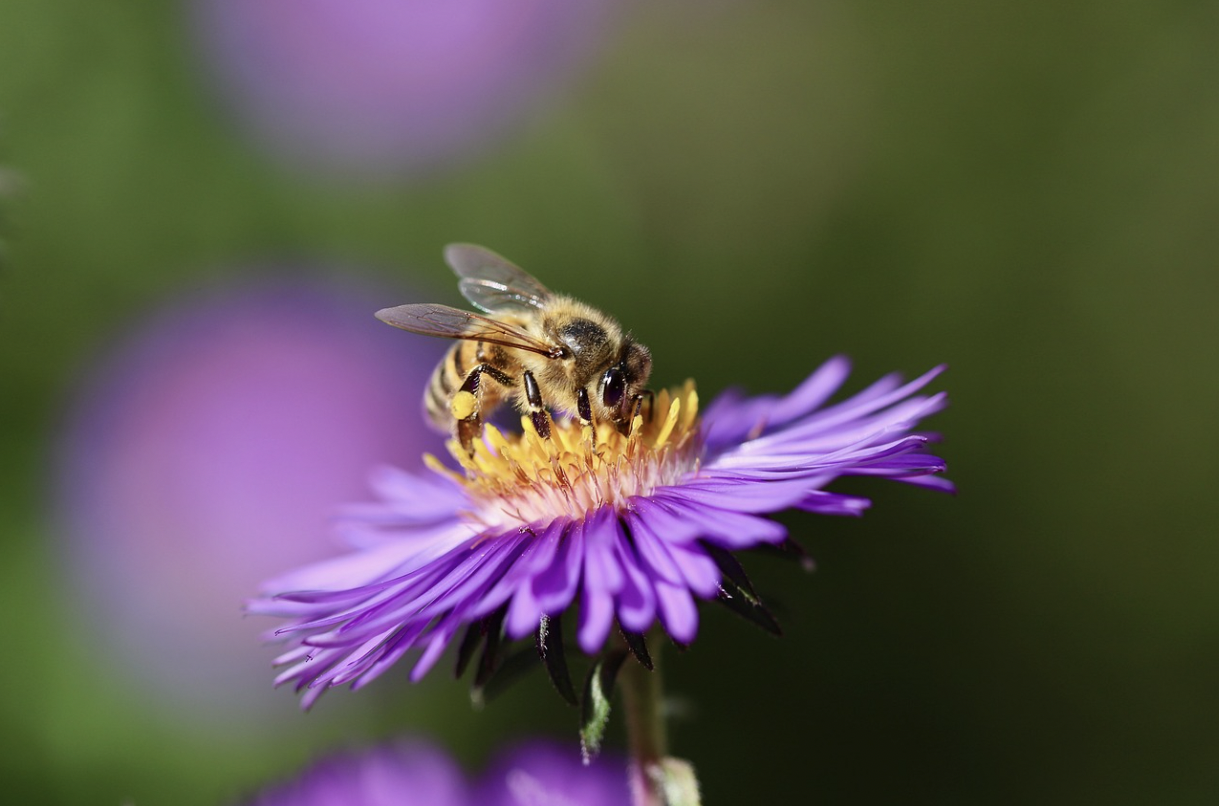
Ecosystem Services that could be of immense importance- Pollination
Image by Annette Meyer from Pixabay
INTRODUCTION
It is said that in times of crisis, the natural world is a source of joy- it can produce
comfort that can come from nothing else. The natural world comprises a wide
range of resources such as wood, food and fibre that is raw material for the most
common industries such as furniture, food & beverage and textile. In addition to
this, the natural world offers invaluable services such as pollination, flood and
climate regulation acting as a protective barrier for man-made infrastructure.
Secondly, The unmatchable aesthetic value that enhances the quality of life and
forms the backbone of the tourism industry. As such, valuing and preserving
natural capital is not only an environmental imperative but also a fundamental
economic necessity.
The World Economic Forum has estimated that over half of the world’s GDP
(Gross Domestic Product) depends on nature at some level. Moreover, nature can
also enable business- it was calculated that nature-related solutions could facilitate
business opportunities worth $ 10 trillion on an annual scale, creating about 395
million jobs in the coming decade. Given these substantial contributions, it is vital
to unpack two important questions that emerge. Firstly, is nature’s value truly
accounted for? And secondly, is the natural world a part of economic decision-
making?
NATURAL CAPITAL?
The NatCap is a collaborative effort involving renowned institutions worldwide,including Stanford University, the World Wildlife Fund, theChinese Academy of Sciences, the Stockholm Resilience Centre, and others. It aims to enhance well-being through promoted investment in natural capital. NatCap has developed a systemic approach to achieving the same, using its free, open-source software called InVEST (Integrated Valuation of Ecosystem Services and Trade-offs). It uses spatial data as information sources as well as outputs, including biophysical terms (e.g. tonnes of carbon sequestered) or economic terms. The platform is currently used by 185 nations to map and model ecological resources. In addition to this, it also analyses trade-offs in water and land use. The software has created an impact among many ecosystems, notably in Belize, where it has helped stakeholders come up with the world’s first coastal management plan by appropriately quantifying ecosystem services.
Such tools aid decision-makers in appropriately visualising and valuing ecosystem-based approaches. The use of InVEST in many regions of the world has helped put pressure on governmental authorities to join hands for conservation.
GEP Vs GDP
Up until now, corporations as well as governments have used GDP to measure
their economic progress. It considers the market value of all final goods and
services produced within a country’s borders focusing majorly on economic
activity. This often overlooks environmental services as well as human well-being.
The criticisms and limitations of GDP have been compensated by an emerging
metric- Gross Ecosystem Product (GEP) which provides a more holistic view of
economic progress. It is calculated by adding up the material goods, regulating
services and the cultural services that nature provides us with. The ultimate aim is
to assign a dollar value to nature’s input.
For instance, In the Qinghai province of China, it was calculated that the GEP
accounted for a value far greater than GDP in the year 2000. This indicated that there was more ecosystem activity than economic activity that year. However,
fifteen years later, the GEP shrunk to three-quarters of the GDP, highlighting that
there had been traditional economic growth at the cost of degradation of the natural
ecosystem.
The study also confirmed that since the province was home to major rivers, it
“exported” services such as clean drinking water which showed up in the GEP of
neighbouring provinces.
THE NATURAL CAPITAL PROJECT (NatCap)
The NatCap is a collaborative effort involving renowned institutions worldwide,including Stanford University, the World Wildlife Fund, theChinese Academy of Sciences, the Stockholm Resilience Centre, and others. It aims to enhance well-being through promoted investment in natural capital. NatCap has developed a systemic approach to achieving the same, using its free, open-source software called InVEST (Integrated Valuation of Ecosystem Services and Trade-offs). It uses spatial data as information sources as well as outputs, including biophysical terms (e.g. tonnes of carbon sequestered) or economic terms. The platform is currently used by 185 nations to map and model ecological resources. In addition to this, it also analyses trade-offs in water and land use. The software has created an impact among many ecosystems, notably in Belize, where it has helped stakeholders come up with the world’s first coastal management plan by appropriately quantifying ecosystem services.
Such tools aid decision-makers in appropriately visualising and valuing ecosystem-based approaches. The use of InVEST in many regions of the world has helped put pressure on governmental authorities to join hands for conservation.
Positives and Negatives?
Positively, emphasising the monetary worth of natural resources can generate financial incentives for conservation. Better policy and decision-making can emerge from this, thereby nudging companies to disclose their environmental impact more efficiently. Additionally, by supporting sustainable practices, respecting nature can help governments and businesses succeed . In the long run it would result in international cooperation on environmental challenges and more effective legislation.
Developing a standardised way to measure this value is difficult, and the process can be taxing, especially for developing countries. Implementing these changes can also require significant adjustments to existing policies and business models, which may lead to industry resistance. Finally, current valuation methods may not fully capture the true value of all natural resources and ecosystems but might still be a good attempt to start off with.
Conclusion
In conclusion, fostering sustainability requires integrating it into the economy. By implementing programmes such as the Natural Capital Project (NatCap) and utilising measurements like the Gross Ecosystem Product (GEP), we steer the economy in the direction of greater harmony and resilience. This strategy guarantees the conservation of our planet’s invaluable resources, preserving their legacy for future generations.
About the Author
Prabhroop Kaur is a second year student pursuing her Bsc at the Jindal School of Environment and Sustainability. A nature lover by birth, she enjoys creating content and spreading awareness about sustainable development through various channels. Being the proud owner of an upcycling venture, she has been able to cultivate a broad, like minded audience passionate about a sustainable future.
 NICKELED AND DIMED