-

How Open Can Strategic Sectors Be? Foreign Investment, Sovereignty, and India’s Space and Nuclear Policies
Read more: How Open Can Strategic Sectors Be? Foreign Investment, Sovereignty, and India’s Space and Nuclear PoliciesBy – Karishma Jain Abstract India’s investment policy has shifted in response to disruptions in global supply chains, intensified competition in critical technologies, and a growing recognition that foreign capital can carry strategic implications beyond economic value. While attracting foreign investment remains central to India’s development strategy, the State has become increasingly attentive to questions…
-
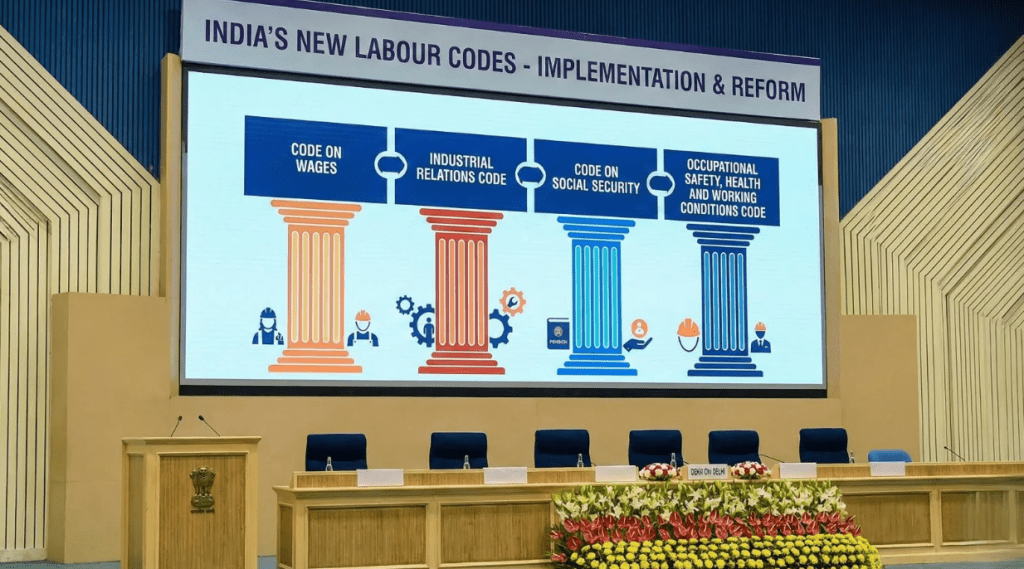
Centralisation through Codification: Federal Concerns under India’s New Labour Code
Read more: Centralisation through Codification: Federal Concerns under India’s New Labour CodeBy – Aasmi Bali Abstract The recent labour law reforms used in India were summarised into four Labour Codes that were launched with the objective to simplify compliance, facilitate ease of doing business, and standardise labour regulation. This article, however, argues that the codification process has also been instrumental in enabling a pronounced centralisation of…
-

Governing Equality – Article 15 and Constitutional Morality
Read more: Governing Equality – Article 15 and Constitutional MoralityBy – Vansh Aggarwal Abstract: This article reads Article 15 as a critique of the gap between constitutional equality and everyday governance in India. It examines how policing, development, and public policy continue to perpetuate caste-based inequality despite formal legal guarantees. The film highlights institutional apathy, selective governance, and societal silence as key factors contributing…
-

Realism and Asymmetry in a New Era of India-China Relations
Read more: Realism and Asymmetry in a New Era of India-China RelationsBy – Delisha Clara Rao Abstract India-China relations in 2025 reveal both the persistence of asymmetry and the persistence and resilience of realist logic in international politics. This article examines how strategic interests drive cooperation and competition between the two Asian powers. It situates recent developments ranging from the Galwan clash and trade frictions to…
-

Cultural Commodification or Legal Empowerment? WTO’s GI and India’s TKDL
Read more: Cultural Commodification or Legal Empowerment? WTO’s GI and India’s TKDLBy – Srisoniya Subramoniam Abstract Geographical Indications (GIs) are important tools within the World Trade Organization’s framework, as they protect products linked to origin and tradition. While the intention was to safeguard indigenous heritage, debates persist over whether such measures have inadvertently transformed culture into a commercial asset. This article examines this dual nature of…
-

Production Linked Schemes(PLI) and Competitive Neutrality: A Trade and Competition Law Analysis of India’s Industrial Policy
Read more: Production Linked Schemes(PLI) and Competitive Neutrality: A Trade and Competition Law Analysis of India’s Industrial PolicyBy – Gurram Sai Ruchitha Abstract India’s Production Linked Schemes (PLI) are designed to revolutionize India’s manufacturing sector by increasing domestic production, attracting investment, and promoting exports. This article analyses the economic, trade, and competition law implications of PLI, questioning its exemption from WTO scrutiny and how its high investment thresholds and selective criteria may…
-
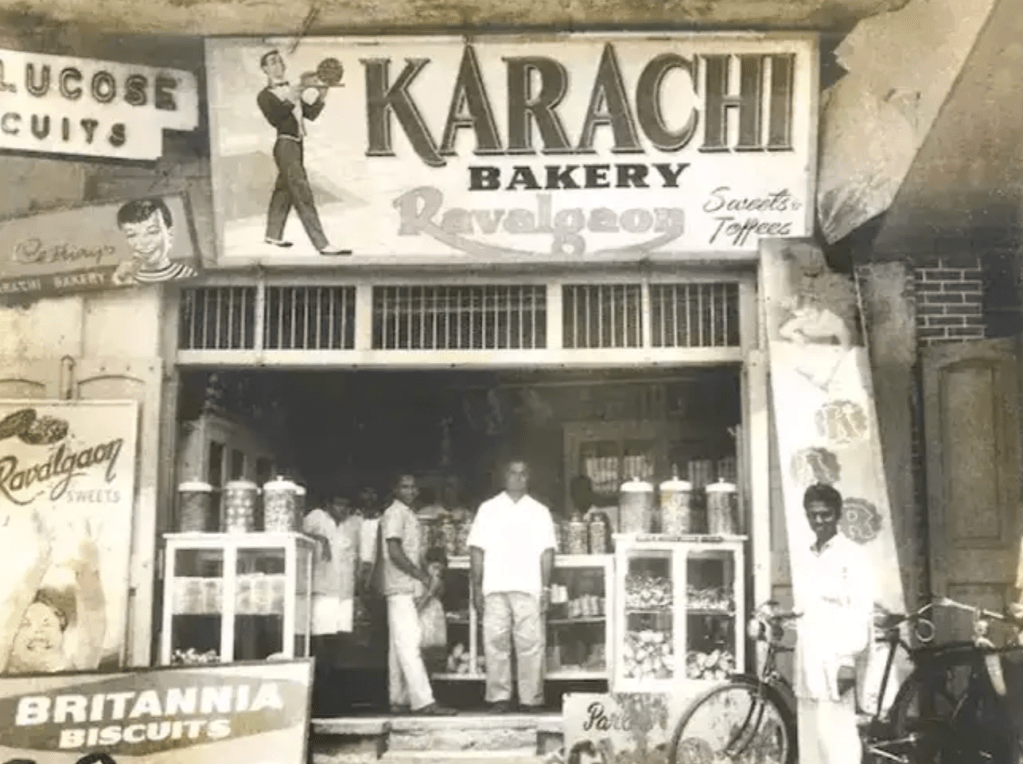
Food : A Saviour For the Victims of Partition
Read more: Food : A Saviour For the Victims of PartitionBy – Nandini Pandey Abstract The role of food in our lives is immense, yet often goes unnoticed. It is not merely a daily habit but a source of comfort, livelihood and income for an abundance of people. The food we have from outlets for our enjoyment helps sustain a legacy in each bite that…
-

Fire and the Flames of Post-Colonial Feminism
Read more: Fire and the Flames of Post-Colonial FeminismBy – Muskan Hossain Abstract Deepa Mehta’s Fire (1996) remains a landmark of post-colonial feminist cinema, challenging the patriarchal family and exposing the fragility of cultural nationalism. Through Radha and Sita’s intimate rebellion, the film critiques how women’s independence after 1947 remained bound to tradition and sacrifice. The backlash against Fire revealed how women’s desires…
-
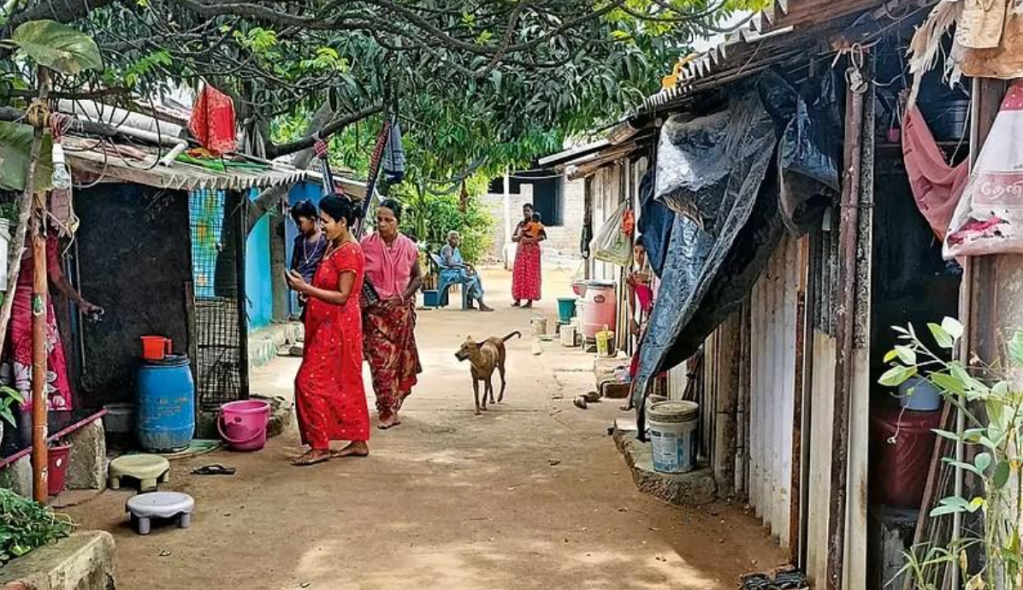
Madras Cafe and India’s Refugee Dilemma
Read more: Madras Cafe and India’s Refugee DilemmaBy – Hritika Mishra Introduction Refugee crises are not new to South Asia. From the 1947 partition of India and Pakistan to the Rohingya today, every conflict has left behind displaced people. India, despite no formal refugee law, has hosted refugees from many countries, such as Tibet, Afghanistan, Myanmar, and Sri Lanka. Shoojit Sircar’s Madras…
-
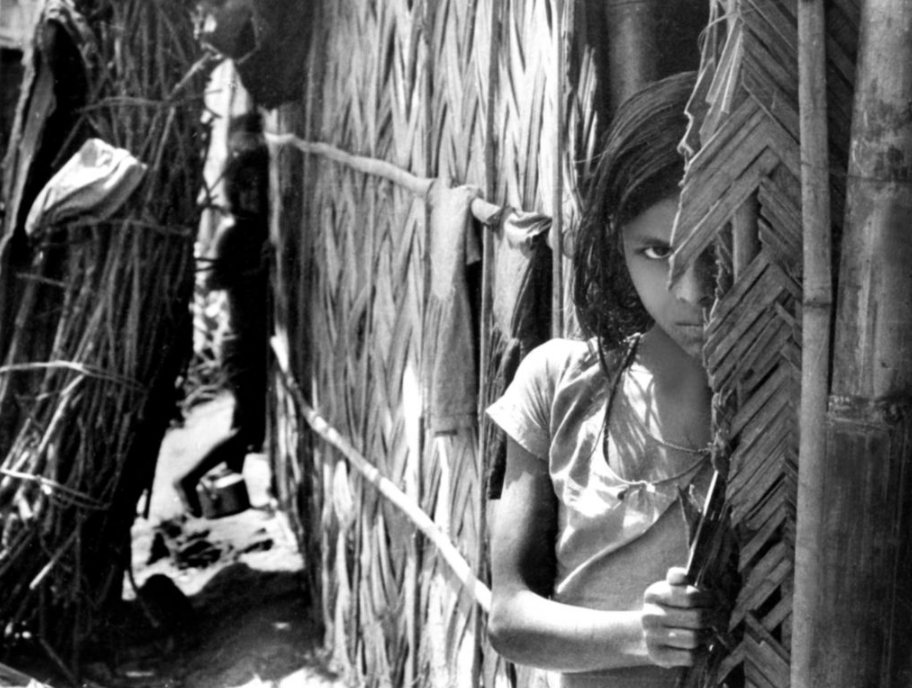
Namasudra Refugees: Caste, Partition, and the Marichjhapi Tragedy
Read more: Namasudra Refugees: Caste, Partition, and the Marichjhapi TragedyBy:- Tanishka Shah Abstract While Partition is conventionally narrated as a conflict of religions, for Dalit Namasudra refugees it was equally a story of caste marginalisation. From their pre-partition mobilisation and Jogendranath Mandal’s alliance with Muslims, to their subsequent displacement, relocation to Dandakaranya, and the violence of the Marichjhapi massacre in 1979, the Namasudra…
-

Urdu, Hindi & Tapering Cultures : Reimagining the nation-state post Partition
Read more: Urdu, Hindi & Tapering Cultures : Reimagining the nation-state post PartitionBy – Poorvanshi Tyagi Abstract The Partition of 1947 finds its legacies in the geography, culture and traditions of India and Pakistan today. Partition memory plays an important role in shaping the Indian nation-state with respect to its imagined sense of belonging, homogeneity and national identity. The prominence of sanskritised Hindi and consequent erasure of…
-
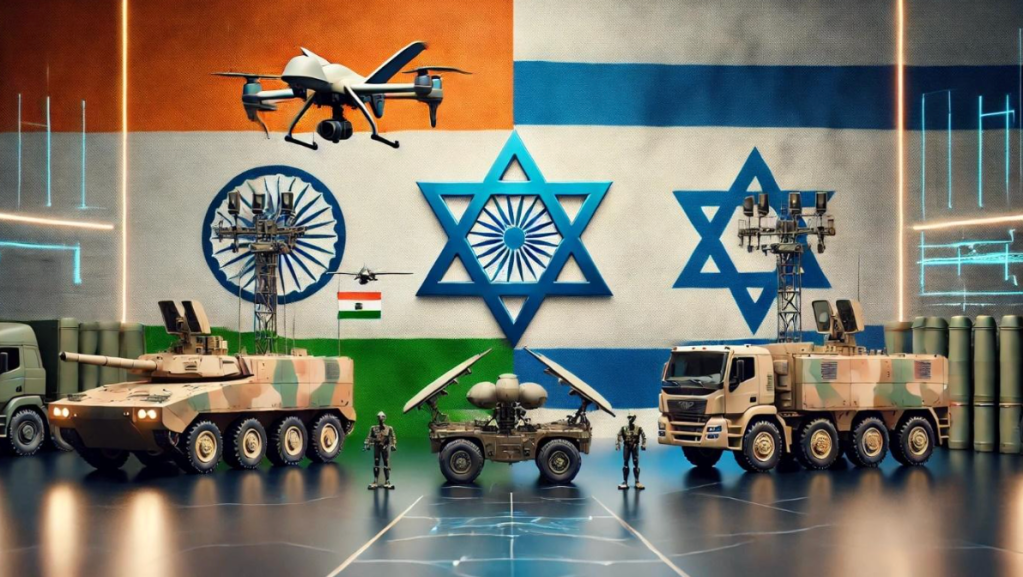
Israel’s Innovation Playbook: What India Can Adapt and Localise
Read more: Israel’s Innovation Playbook: What India Can Adapt and LocaliseBy – Vansh Aggarwal Abstract India’s innovation story stands at a critical juncture where global ideas must meet local realities. Drawing lessons from Israel’s state-led innovation, defence-tech advances, and agri-tech revolution, India can adapt these models to its unique socio-economic landscape. Introduction There is a Japanese saying, ‘Dochakuka’, which means adapting global knowledge to suit…

Nickeled & Dimed
Penny for your thoughts?
We are accepting articles on our new email: cnes.ju@gmail.com
 NICKELED AND DIMED