-
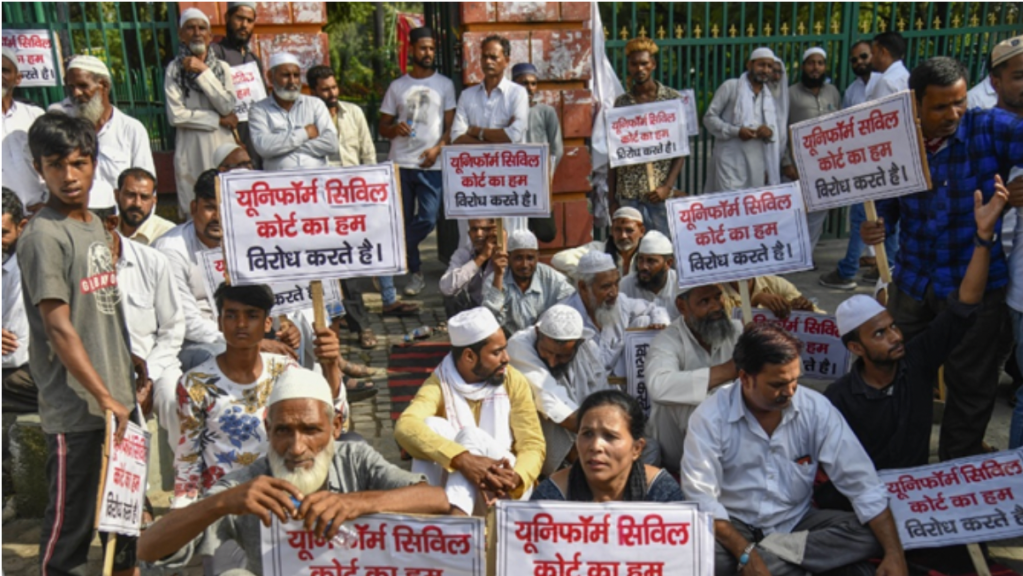
Uttarakhand’s Uniform Civil Code: Understanding its Implications for Women’s Rights and Inclusive Gender Justice
Read more: Uttarakhand’s Uniform Civil Code: Understanding its Implications for Women’s Rights and Inclusive Gender JusticeBy : Vaidehi Sharma Abstract Uttarakhand implemented the much-controversial Uniform Civil Code on January 27, 2025. Facing criticism for formulating a ‘Hindu Code’ that allegedly targets religious minorities, the ruling party of Uttarakhand has hailed the Code as an important step towards women empowerment. This article aims to critically analyse such claims about the Code.…
-
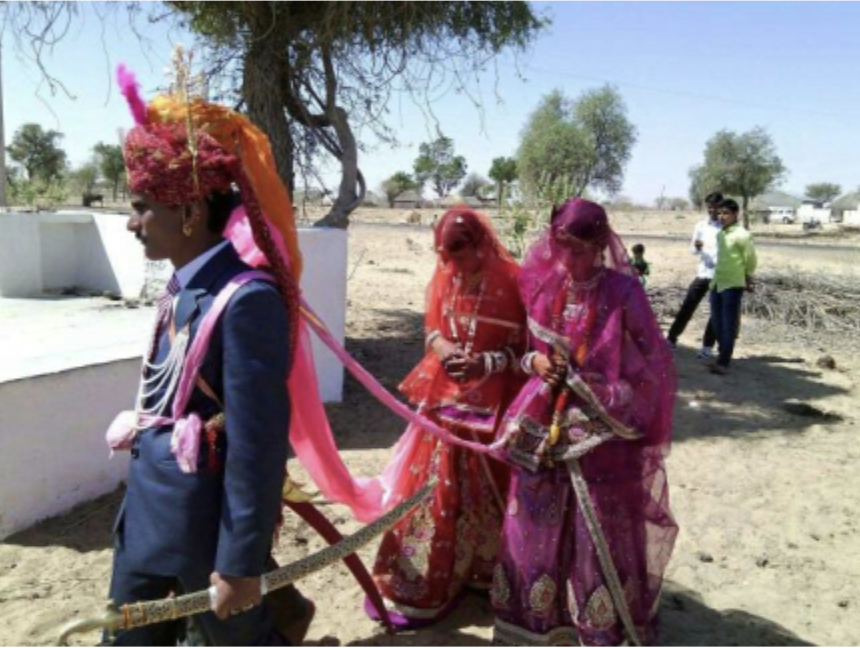
CONUNDRUMS OF BIGAMY BAN: NEGLECT OF THE SECOND WIFE
Read more: CONUNDRUMS OF BIGAMY BAN: NEGLECT OF THE SECOND WIFEBy : Gauri Yadav Abstract Despite outlawing bigamy in India, loopholes in the law have impeded the inheritance rights of second wives. While the prohibition of bigamy was ostensibly enacted to protect women, its implementation has reinforced the further subjugation of second wives. This article contends that the current legal framework, which prioritises monogamy as…
-

Witness Protection in India: Recent Initiatives by the Government and the Impact of New Criminal Laws
Read more: Witness Protection in India: Recent Initiatives by the Government and the Impact of New Criminal LawsThe role of witnesses in criminal trials is indispensable in ensuring the administration and efficacy of the criminal justice system. However, the Government of India and investigating agencies have sometimes fallen short in providing adequate protection to witnesses against the frequent threats, intimidation and coercion which they face. In this article, we examine how this…
-

Anwar’s Aftermath: A Retrospective Reassessment
Read more: Anwar’s Aftermath: A Retrospective ReassessmentIn this article, I examine the jurisprudence following Anvar and how the Courts have treated the operational applicability of the ruling, arguing that a retrospective application is the only position good in law. I further submit a more radical vision, suggesting a return to the position in Navjot Sandhu, which recognised that Section 65-B must…
-

REFORMING OR REPEATING? THE INTENDED OR UNINTENDED CONSEQUENCES OF INDIA’S CRIMINAL JUSTICE REFORMS
Read more: REFORMING OR REPEATING? THE INTENDED OR UNINTENDED CONSEQUENCES OF INDIA’S CRIMINAL JUSTICE REFORMSThe overhaul of India’s criminal justice system through the Bharatiya Nyaya Sanhita (BNS), Bharatiya Nagarik Suraksha Sanhita (BNSS), and Bharatiya Sakshya Adhiniyam has been criticized for failing to achieve ‘decoloniality’. Despite claims of indigenization and democratization of the criminal justice system, these new laws either retain most of colonial-era provisions or make them more terrorizing…
-

Restorative Justice Approaches in Sexual Offense Cases: Potential and Pitfalls
Read more: Restorative Justice Approaches in Sexual Offense Cases: Potential and PitfallsLegislation on sexual offences is designed to address and mitigate crimes such as rape, sexual assault, and harassment, ensuring that victims receive justice and perpetrators are held accountable. This article examines the effectiveness of these laws in achieving procedural justice for victims and in assessing how well current legislation aligns with the principles of procedural…
-

Right To Privacy In The World Of Social Media
Read more: Right To Privacy In The World Of Social MediaThis article dives into privacy laws and traces some of the landmark cases involved under these laws with social media becoming a notable part of our daily lives and social fabric, outlining the ambiguous understanding of the right to privacy.
-
Growth of Alternate Dispute Resolution in the Current Legal System
Read more: Growth of Alternate Dispute Resolution in the Current Legal SystemThe article highlights how ADR may improve access to justice, relieve court backlogs, and support fast, cost-effective conflict resolution while also addressing issues with due process, accountability, and inclusion.
-

Custodial Rights for Fathers in India
Read more: Custodial Rights for Fathers in IndiaThis article explores the imperative of expanding custodial rights for fathers within the Indian legal framework. Drawing upon the principle of gender equality, the analysis critiques the entrenched societal norm of automatically assigning custody to mothers, challenging the assumption that women are inherently superior caregivers.
-

Balancing Progress and Preservation: Analysing the Forest Conservation Act Amendment Bill 2023
Read more: Balancing Progress and Preservation: Analysing the Forest Conservation Act Amendment Bill 2023This research article endeavours to present a comprehensive understanding of the newly proposed Forest Conservation Act Amendment Bill. The article starts by explaining what the bill is and what it seeks to achieve, it then proceeds to analyse the statute and expounds upon the proposed amendments, followed by an update on the current and projected…
-

Queer ‘enlightenment’ in Indian society: Is current media representation enough?
Read more: Queer ‘enlightenment’ in Indian society: Is current media representation enough?The queer movement in India has gathered steam over the last decade, and made great strides in fighting for the recognition of queer people and to grant them rights; however, a hurdle they face is the lack of awareness amongst society and an unwillingness to accept them. Through popular culture in India, especially mainstream Bollywood…
-

Superior Paternal Rights and Welfare Principles under Guardianship in India
Read more: Superior Paternal Rights and Welfare Principles under Guardianship in IndiaThis article aims to analyse the inconsistencies between the Guardians and Wards Act, 1890 which governs all the citizens, and the Hindu Minority and Guardianship Act, 1956 which governs the Hindus. There is a discussion on various sections of both laws which collide and the historic references to these Acts. It also focuses on understanding…

Nickeled & Dimed
Penny for your thoughts?
We are accepting articles on our new email: cnes.ju@gmail.com
 NICKELED AND DIMED