-
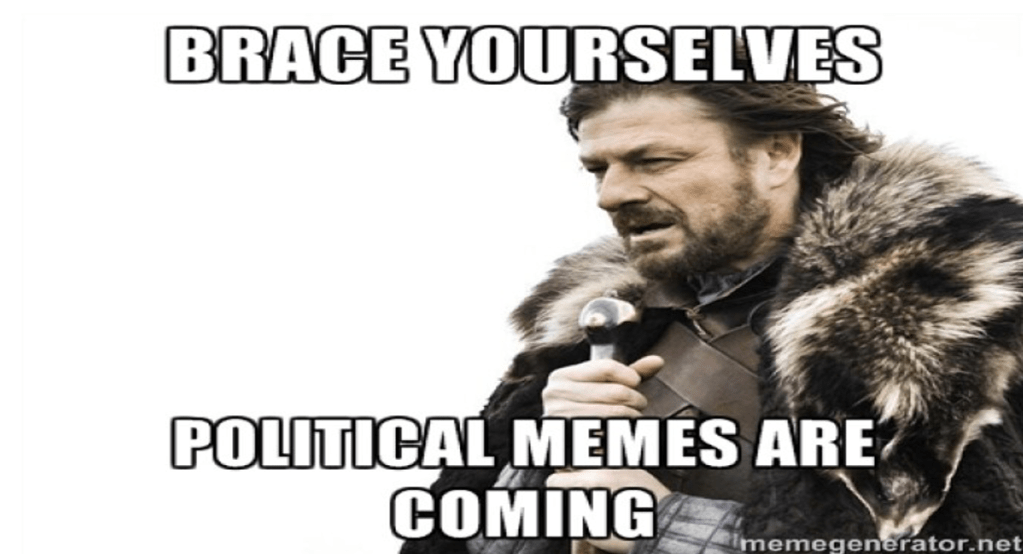
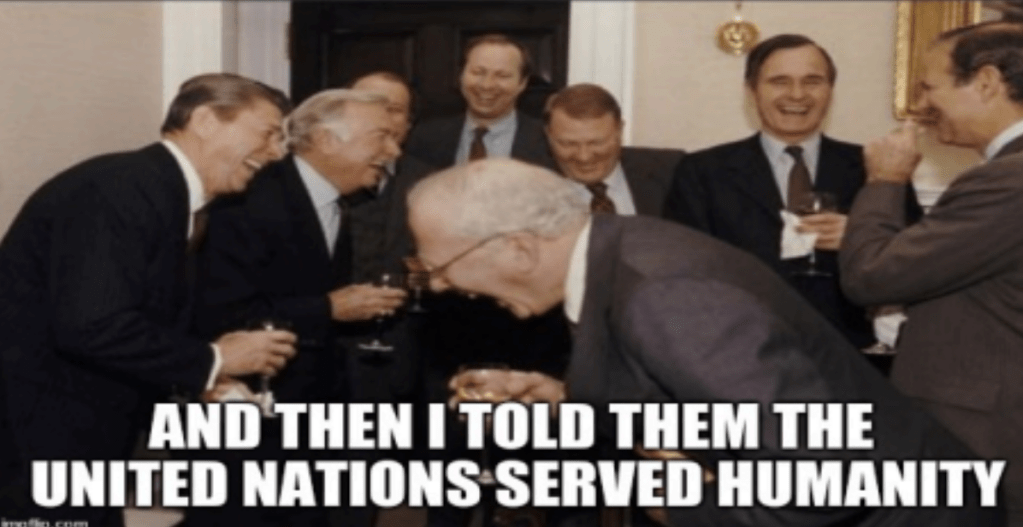
Politics in a World of Memes
Read more: Politics in a World of MemesBy – Delisha Clara Rao Abstract This article delves into the viral nature of memes and raises concerns about the trivialization of serious geopolitical events and the normalization of authoritarian imagery through humor and irony. Drawing on examples from major political developments in 2024 and 2025, including the U.S. presidential election cycle, the European Parliament…
-
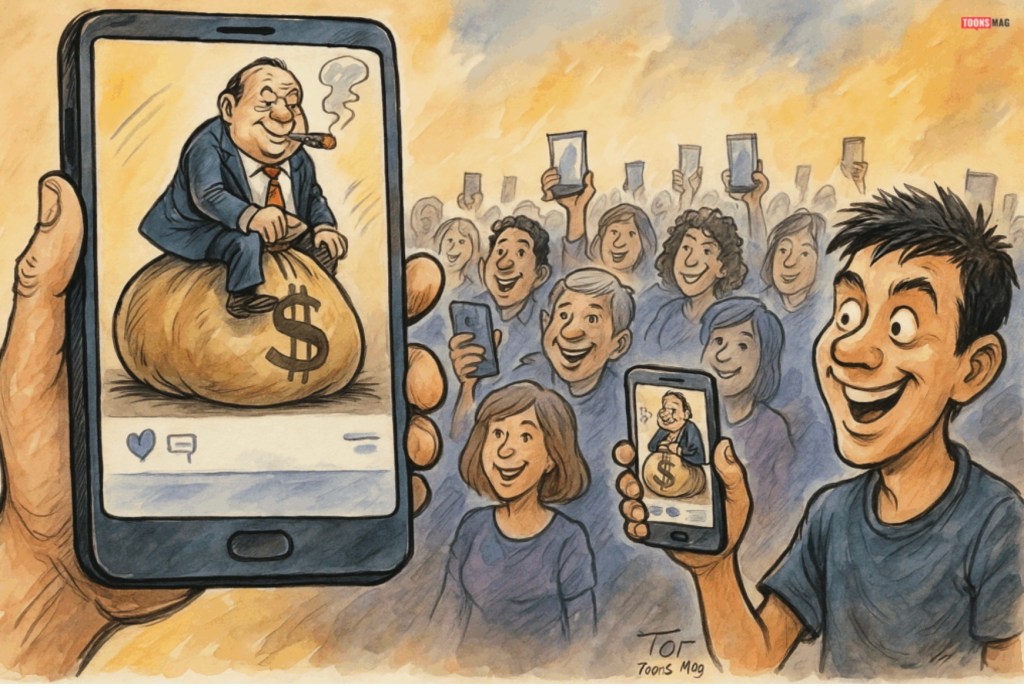
Meme Warfare: How Virality Has Become a Tool of Strategic Influence in Global Politics?
Read more: Meme Warfare: How Virality Has Become a Tool of Strategic Influence in Global Politics?By — Mansi Khetan Abstract From campaign trails to conflict zones, memes have become unlikely instruments of geopolitical influence. What was once dismissed as digital vernacular now shapes legitimacy, public perception, and narrative dominance in real time. This article examines how virality transforms political authority into a performance calibrated for algorithms rather than institutions. It…
-
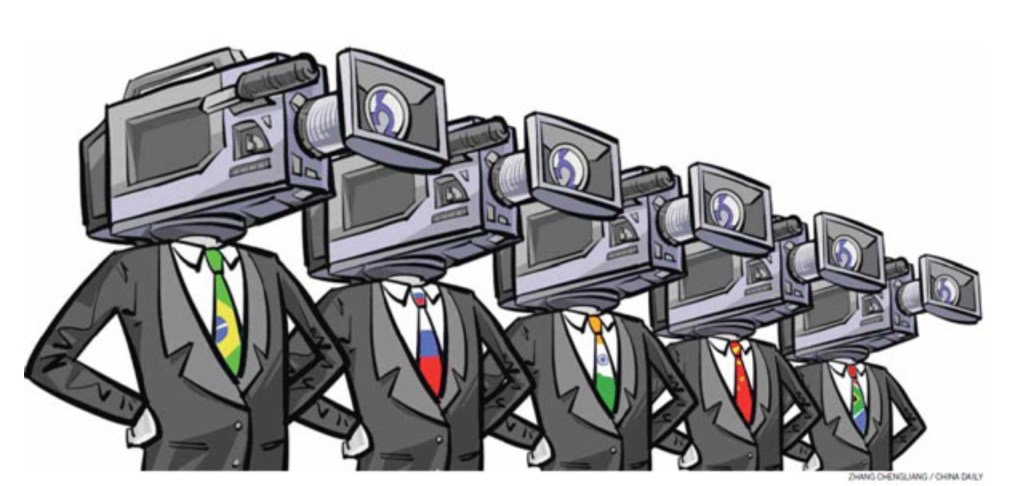
Legitimacy Beyond Borders: Social Media and the Internationalisation of Governance
Read more: Legitimacy Beyond Borders: Social Media and the Internationalisation of GovernanceBy — Mansi Khetan Abstract Social media has transformed how political legitimacy is constructed and contested in contemporary world politics, extending governance beyond territorial borders. This article examines how digital platforms enable political actors to perform and affirm claims of legitimate authority before global audiences. By analysing Ukraine’s digital strategy during the Russia-Ukraine war and…
-
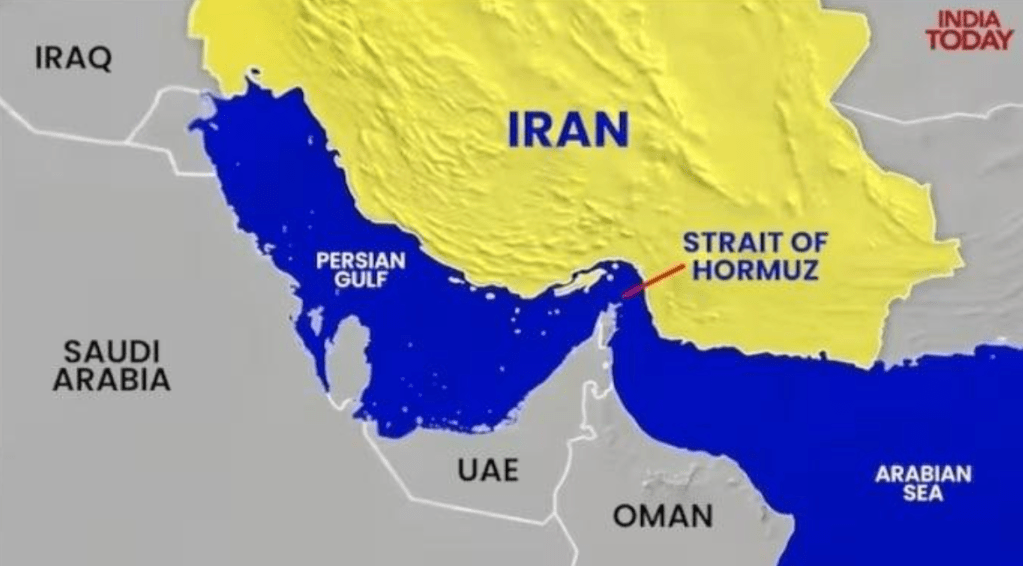
What happens when a Chokepoint becomes a Weapon? The Strait of Hormuz Crisis and the Fragility of the Global Supply Chains
Read more: What happens when a Chokepoint becomes a Weapon? The Strait of Hormuz Crisis and the Fragility of the Global Supply ChainsBy – Rianne Michael Abstract The Strait of Hormuz is one of the most critical maritime chokepoints in the global trading system that facilitates a significant share of the world’s energy and commodity flows. Following the escalation of hostilities between Iran, the United States of America, and Israel in February 2026, threats have been made…
-
Quo Vadis, Diplomacy?
Read more: Quo Vadis, Diplomacy?By – Hansin Kapoor Abstract This article explores the radical transition from policy-based legitimacy to aesthetic resonance in contemporary global politics. As the traditional Westphalian order enters a state of polycrisis, the technical language of international law is increasingly superseded by the affective power of the “Vibe Shift.” By analyzing aesthetic movements such as “Little…
-
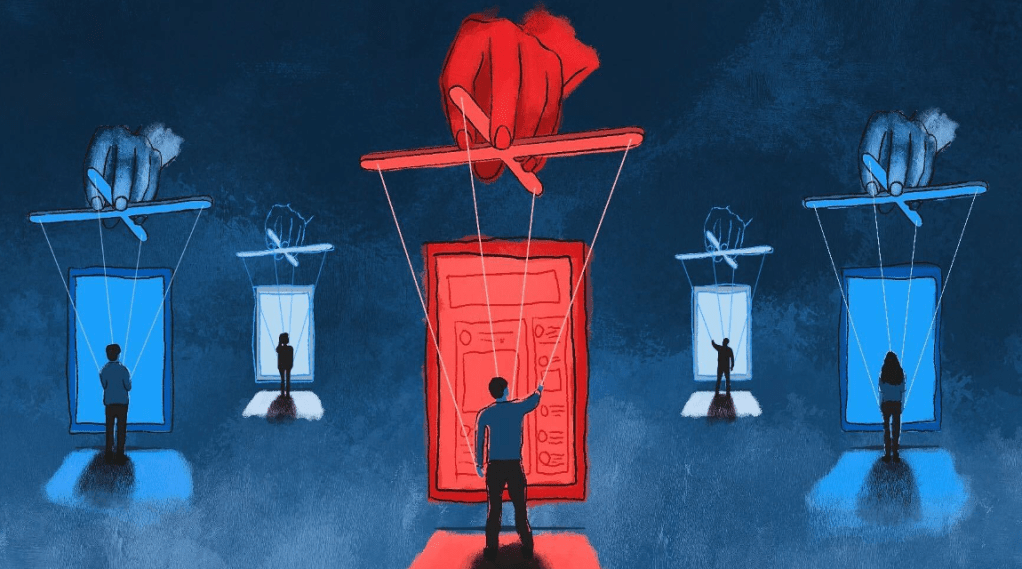
Show Me Your Feed and I’ll Tell You Your Politics
Read more: Show Me Your Feed and I’ll Tell You Your PoliticsBy – Delisha Clara Rao Abstract The shift from traditional news media to social media being the one stop for all news related concerns raises mixed opinions on it being both a boon and a bain. While the increased accessibility of information has expanded public engagement and awareness, this transformation has also exposed significant vulnerabilities…
-
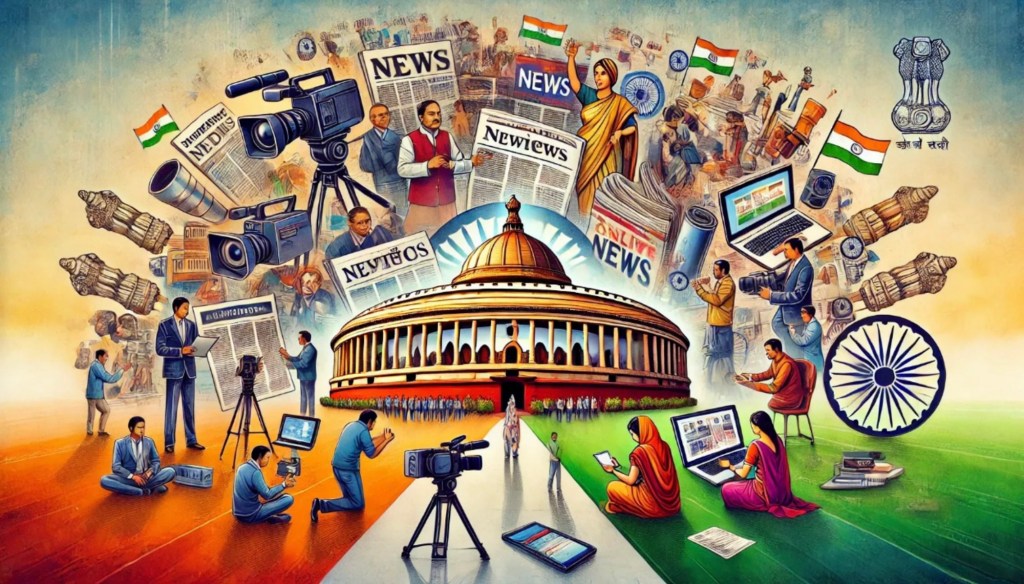
Digital Media Transforming Traditional Democracy
Read more: Digital Media Transforming Traditional DemocracyBy — Rianne Michael Abstract Social media has reconfigured how people engage with democracy. It has made communication and participation easier and instant. This paper examines how social media has transformed democracy from an institution-mediated to a digitally-networked model allowing political participation and legitimacy to be continuously produced through formal mechanisms, online interactions, visibility and…
-

X as a Diplomatic Battlefield: Twiplomacy and Narrative Power During the Israel–Hamas War
Read more: X as a Diplomatic Battlefield: Twiplomacy and Narrative Power During the Israel–Hamas WarBy – Shreya Maheshwari Abstract The swift development of digital technology has changed the character of international conflict by altering the balance of power and the strategic exchanges between superpowers. The article examines Twitter’s role as an informal diplomatic battlefield during the Israel Hamas war in Oct 2023. The article investigates the reshaping of diplomacy…
-
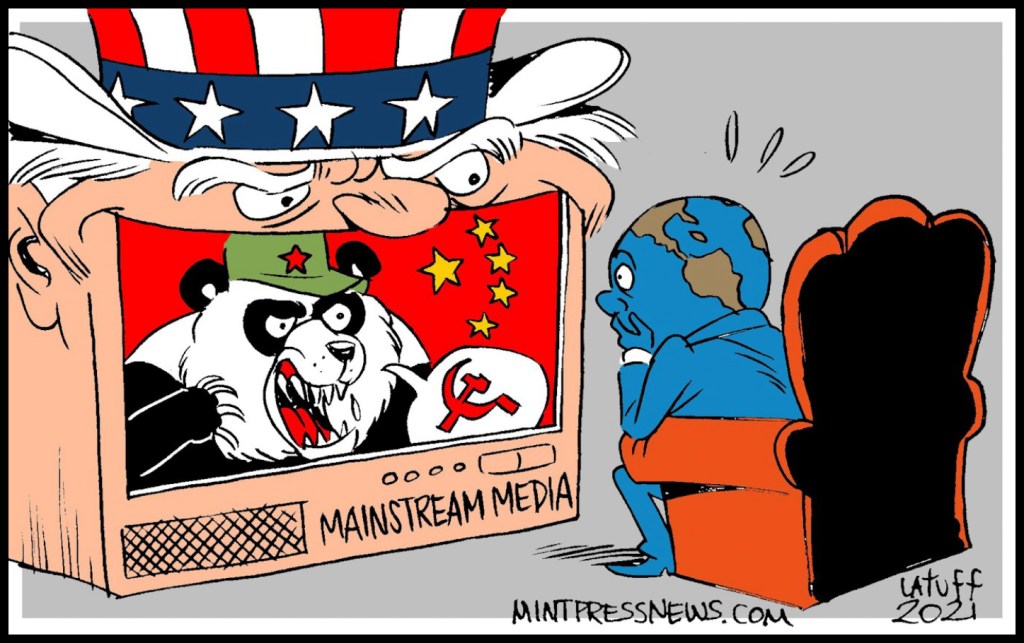
Who Tells the Global South’s Story?
Read more: Who Tells the Global South’s Story?By — Hansin Kapoor Abstract In the new cold war of the digital age, every post and hashtag is political theatre. U.S. and Chinese tech giants are not just selling gadgets, they’re selling narratives about who matters in Africa, Asia and Latin America. This rivalry turns social media into a battleground where developing countries often…
-
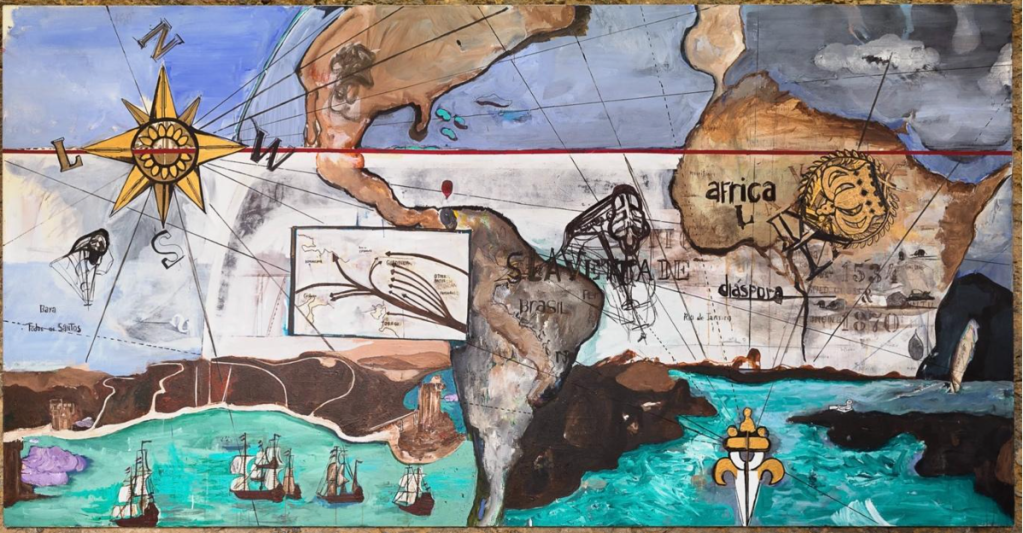
Decolonising International Relations: Why the Global South Still Thinks in Western Frames?
Read more: Decolonising International Relations: Why the Global South Still Thinks in Western Frames?By – Mansi Khetan Abstract This article examines how International Relations remains intellectually Western despite political decolonisation. It highlights the marginalisation of Global South perspectives and traces alternative Indian traditions of thinking on power, ethics, and strategic autonomy. By linking these ideas to contemporary Global South cooperation and multipolar politics, the paper argues for decolonising…
-
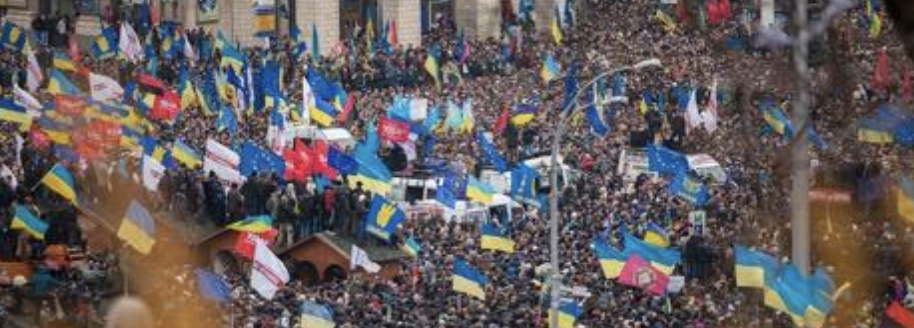
Decolonisation versus De-Westernisation in the Russia-Ukraine War
Read more: Decolonisation versus De-Westernisation in the Russia-Ukraine WarBy – Delisha Clara Rao Essampally Abstract The war between Russia and Ukraine is often framed through the Eurocentric history of International Relations as a classical great-power rivalry between NATO and Russia. This framing diminishes Ukraine to the status of a geopolitical buffer state and distorts the more profound post-imperial relations that shape the war.…
-
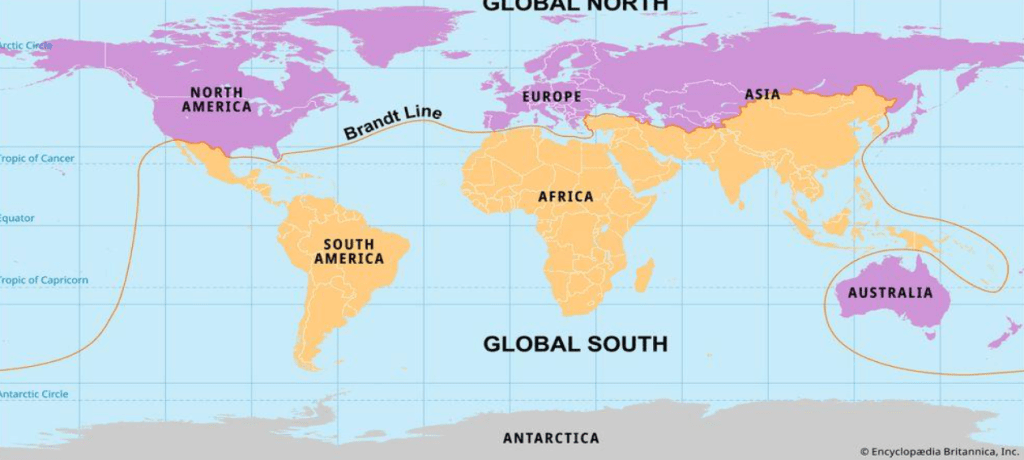
Beyond Eurocentric Universality: Reclaiming Agency of the Global South and Indigenous Groups through Epistemic Pluralism
Read more: Beyond Eurocentric Universality: Reclaiming Agency of the Global South and Indigenous Groups through Epistemic PluralismBy – Rianne Michael Abstract Eurocentric knowledge has historically functioned as the major epistemic framework, creating the view that Western historical experience is universal leading to marginalization of knowledge from the Global South and Indigenous communities. This article argues that Eurocentric knowledge is not also produces structural boundaries of inclusion and exclusion that shape the…

Nickeled & Dimed
Penny for your thoughts?
We are accepting articles on our new email: cnes.ju@gmail.com
 NICKELED AND DIMED