-

Revisiting the Resilience of Women in the Russian Revolution
Read more: Revisiting the Resilience of Women in the Russian RevolutionThe Russian Revolution sought to mark the end of the Tsarist regime of the Romanov dynasty and establish the Bolsheviks in power. The February Revolution (March as per the Gregorian calendar) and The October Revolution (November as per the Gregorian calendar) took place during the freezing months of 1917. This article summarises the degree of…
-

Bollywood’s Multiple Manifestations of Masculinity
Read more: Bollywood’s Multiple Manifestations of MasculinityBollywood has evolved, and so has its idea of masculinity. It changed from the ‘angry young man’ in the 70s to the “Thappad marke bhi de sakte hai” Chulbul Pandey in the early 2000s. Cut to 2023, a new idea of being a ‘man’ is developed and glorified. It is the culmination of all these…
-

Challenges and Progress in Addressing Gender Disparities in Morocco
Read more: Challenges and Progress in Addressing Gender Disparities in MoroccoThroughout history, Moroccan culture has been deeply enmeshed with patriarchal ideas that are sustained by religious narratives. Following its independence in 1956, Islamic doctrine gained more traction to take control over public and private spaces. The all-male drafting committee for the first Family Code of 1957, symbolises a severe under-representation of women’s voices and experiences…
-

Diagnosing Injustice: The Intersection of Gender Bias, Apathy, and Medical Misdiagnosis Cases
Read more: Diagnosing Injustice: The Intersection of Gender Bias, Apathy, and Medical Misdiagnosis CasesGender bias and healthcare disparities are known factors that cause misdiagnosis in women. For instance, symptoms of heart attacks in women may differ from those in men; unfortunately, many healthcare providers are not trained to recognise these differences. Additionally, women’s pain is often dismissed or not taken seriously, leading to delays in diagnosis and treatment.…
-

Women In National Service: An Exploration of the Relationship between Gender and National Services
Read more: Women In National Service: An Exploration of the Relationship between Gender and National ServicesThis article explores the complex relationship between gender and national services, emphasising the state of Singapore. The main arguments rely upon the nature of the proposed national service for women by Ms Tan, the state’s inability to champion women’s empowerment outside of a tool for nation-building, and whether including women in combat roles in the…
-

Evolution Of Gender Roles: An Analysis Through A Comparison Of Literary Works From The Victorian Era and 21st Century
Read more: Evolution Of Gender Roles: An Analysis Through A Comparison Of Literary Works From The Victorian Era and 21st CenturyThis article examines the evolution of gender roles through references and ideas discussed in Henrik Ibsen’s, A Doll’s House, and an advertisement campaign by the organisation PPS, that features advertisements with words used to devalue women in a manner that reflects their value, potential and power. It aims to reappropriate phrases of prejudice and paternalism…
-

A Room of One’s Own: A Book Review
Read more: A Room of One’s Own: A Book ReviewA Room of One’s Own explores the societal constraints and patriarchal norms that are often imposed on a woman’s intellectual and creative pursuits. Originally delivered as a series of lectures, this seminal essay also portrays Woolf’s journey towards artistic expression. The central theme revolves around Virginia Woolf’s premise that for a woman to produce literary…
-

Depiction of Violence Against Women in Indian Films
Read more: Depiction of Violence Against Women in Indian Films‘Animal’, directed by Sandeep Reddy Vanga, has received equal hate and love for this ultra-violent cinematic piece. The main critique is that the movie is a senseless sequence of gore, misogyny and abusiveness, one after the other. The film has reignited the debate on the eternal struggle between directive creativity, and moral and social responsibility.…
-
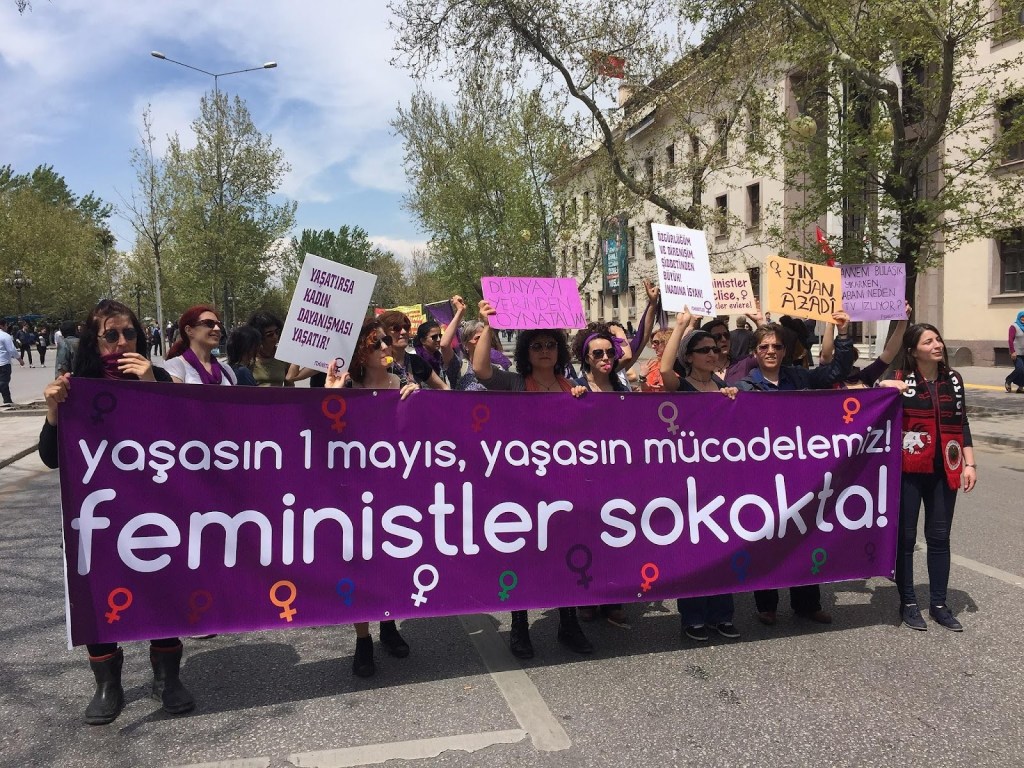
From Kemalist Legacies to Modern Realities
Read more: From Kemalist Legacies to Modern RealitiesThis article delves into the changing political landscape of Türkiye and the altering role of women, as political agents. Historically, women were active in the public sphere in terms of education, employment, and political representation. More than a century later, Turkish women find themselves in the midst of state-driven reinforcement of traditional gender roles. Gradually…
-
Digitalization and Its Impact on Reproductive Rights
Read more: Digitalization and Its Impact on Reproductive RightsReproductive rights, which broadly include sexual health and well-being, are a very sensitive topic, especially in a developing society where people are not open to discussing all aspects of reproductive health. Additionally, the increasing use of digital platforms not just for increasing awareness but also as intermediaries makes the discussion of reproductive rights in relevance…
-
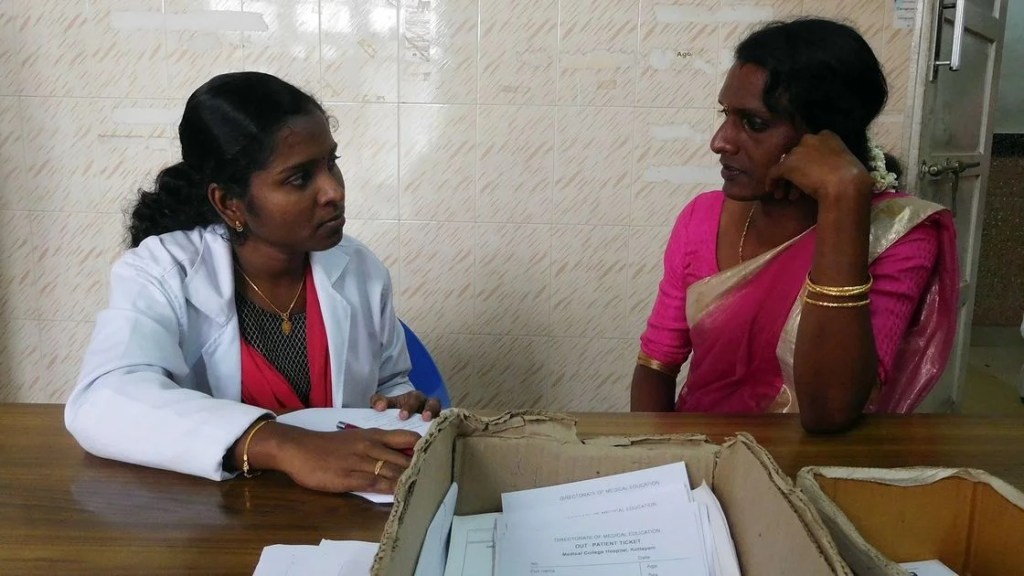
Transgender Healthcare: An Unsolved Question
Read more: Transgender Healthcare: An Unsolved QuestionAccess to good healthcare for the transgender community is yet to materialize in India. A negative societal perception of the transgender identity continues to impact the behaviour of healthcare professionals towards transgender persons. Is the recent establishment of OPD at Delhi’s RML Hospital for transgenders, a step towards inclusive healthcare?
-

Nudity and Obscenity are not Synonymous: The Progressive take of Kerala High Court
Read more: Nudity and Obscenity are not Synonymous: The Progressive take of Kerala High CourtThe XXX vs. State of Kerala case serves as a prism through which we can examine the broader issue of gender equality in India. It spotlights how legal interpretations and societal norms can either contribute to the advancement of gender equality or perpetuate disparities

Nickeled & Dimed
Penny for your thoughts?
We are accepting articles on our new email: cnes.ju@gmail.com
 NICKELED AND DIMED