-
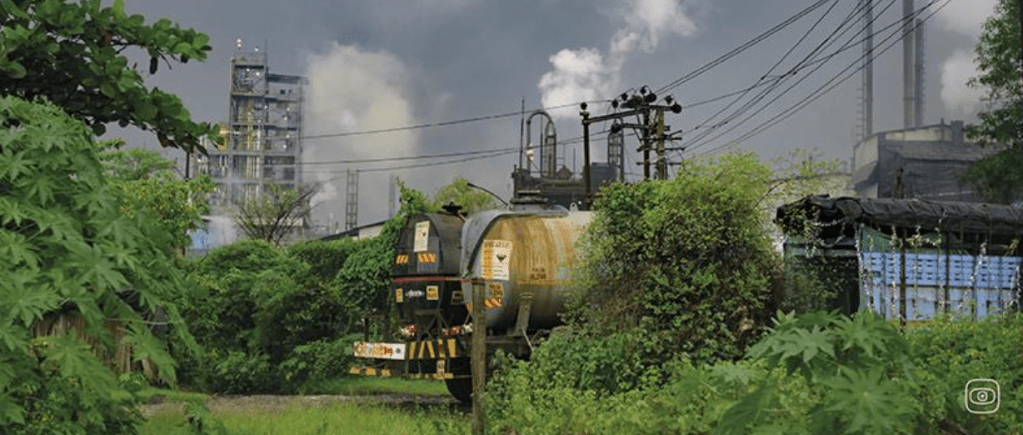
When “Too Toxic for Europe” Finds a New Home: Miteni’s PFAS legacy and its move to India
Read more: When “Too Toxic for Europe” Finds a New Home: Miteni’s PFAS legacy and its move to IndiaBy – Varsha M Abstract In 2018, the closure of the Miteni chemical facility in Italy was a positive step by the state governments and was hailed a win in the fight against public health following decades of PFAS in the Veneto region of Italy. But the environmental effects of this plant were not limited…
-
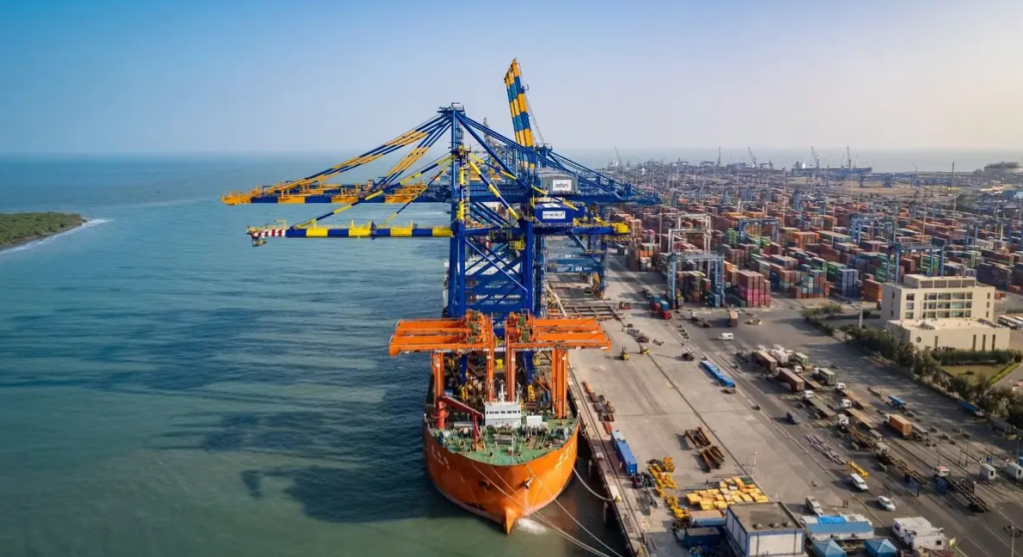
Erosion, Eviction and Exploitation : How Vizhinjam Port Undermines Lives and Landscapes in Kerala
Read more: Erosion, Eviction and Exploitation : How Vizhinjam Port Undermines Lives and Landscapes in KeralaBy – Shreya Parameshwaran Abstract: The Adani Group’s Vizhinjam International Seaport in Kerala, India, exemplifies the conflict between unrestrained industrial ambition and the social and ecological realities of our time. From the very beginning of construction in 2015, the large-scale building of breakwaters and the dredging of the sea which continue today have caused and…
-
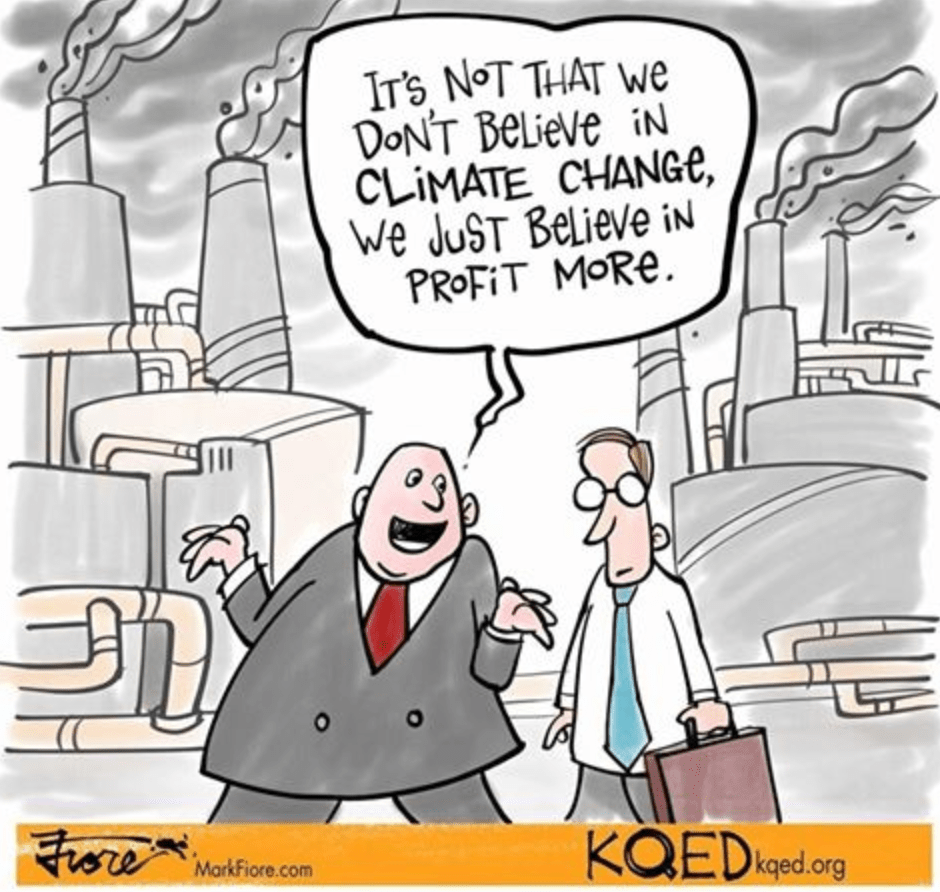
Progress, Pending Clearance
Read more: Progress, Pending ClearanceBy – Siddarth Poola Abstract Large-scale infrastructure and extractive projects are routinely justified through the language of development, national interest, and economic necessity. Yet repeated instances of displacement, ecological degradation, and community impoverishment raise a persistent question: development for whom? Drawing on investigative reporting and civil society documentation relating to coal and infrastructure projects associated…
-
HEAT, HUNGER, AND HARDSHIP: HOW POVERTY IN THE GLOBAL SOUTH IS DEEPENED BY CLIMATE CHANGE
Read more: HEAT, HUNGER, AND HARDSHIP: HOW POVERTY IN THE GLOBAL SOUTH IS DEEPENED BY CLIMATE CHANGEBy – Shreya Parameshwaran Abstract The Global South suffers from poverty driven by climate change. Loss of climate-sensitive jobs, weak social safety nets, and low national fiscal capacity create vulnerability. We identify mechanisms of impoverishment from asset loss due to disasters, health impacts, and many others. World Bank projections alarmingly predict up to 100 million additional…
-
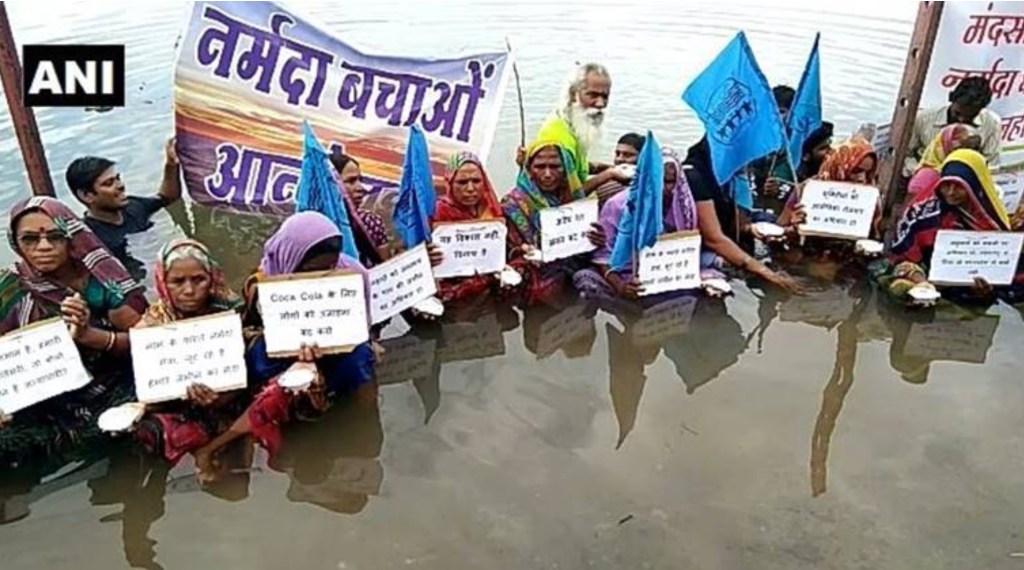
Rivers, Rights, and Resistance: The Narmada Bachao Andolan and India’s Development Paradigm
Read more: Rivers, Rights, and Resistance: The Narmada Bachao Andolan and India’s Development ParadigmBy — Sumedha Abstract This paper critically examines the Narmada Valley Development Project, with particular focus on the Sardar Sarovar Dam, to assess its ecological impacts, social displacement, and the role of judicial intervention. Drawing on environmental assessments, tribunal reports, and court decisions, the study highlights extensive forest submergence, disruption of riverine ecosystems, and the…
-
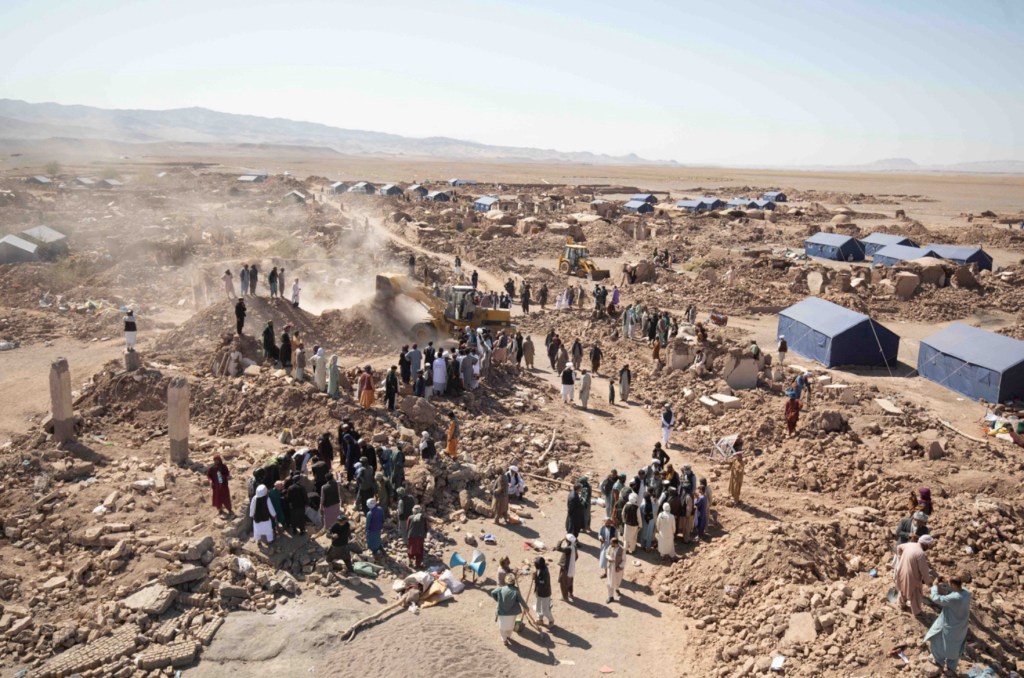
Natural Disasters: The Burden of Inequality Upon Relief Operations
Read more: Natural Disasters: The Burden of Inequality Upon Relief OperationsBy — Sumedha Abstract: Earthquakes are often described as natural disasters, yet their human consequences are profoundly shaped by social, economic, and political structures. This article undertakes a comparative case analysis of Japan’s 2011 Tōhoku earthquake and Afghanistan’s 2023 Herat earthquakes to examine how inequality determines disaster outcomes. Despite comparable seismic hazards, recovery trajectories diverged…
-
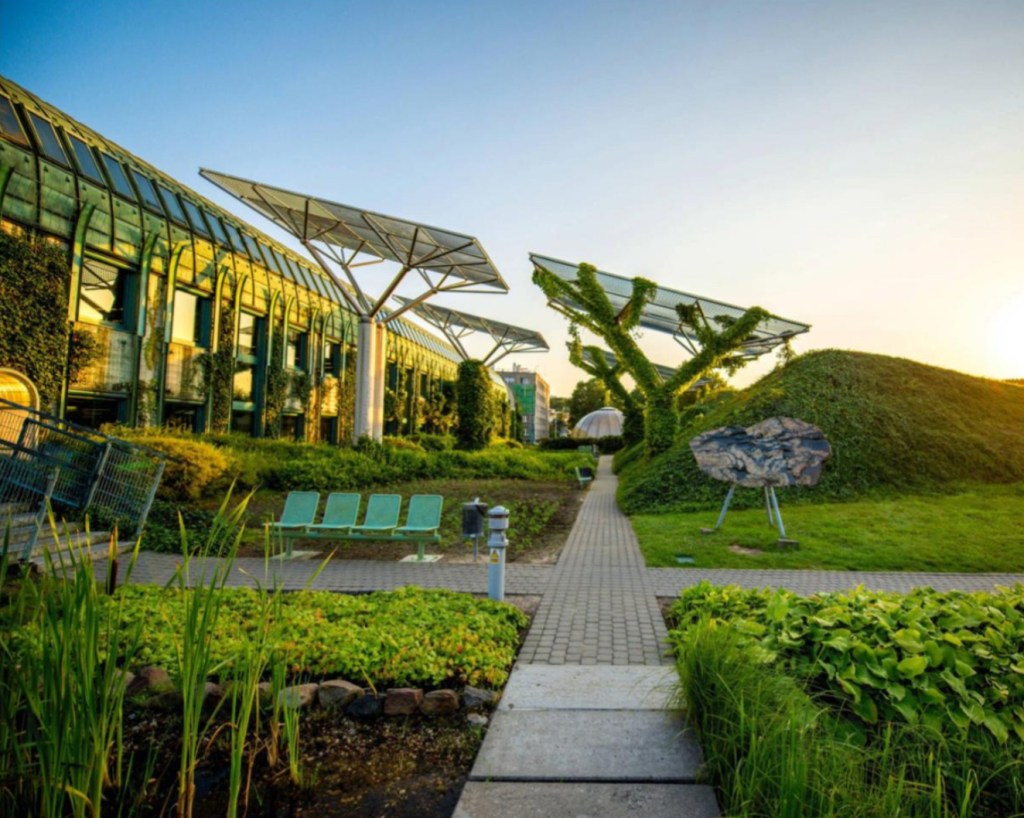
CLIMATE TRANSITION- A SHARED RESPONSIBILITY OR AN UNEQUAL BURDEN?
Read more: CLIMATE TRANSITION- A SHARED RESPONSIBILITY OR AN UNEQUAL BURDEN?By — Sumedha Abstract: Climate change, as a raging phenomenon accompanied by deteriorating infrastructure and living warrants change. Be it rampagnt floods in Punjab and Mumbai with drownig infrastucture and human toll or rising extremity of heatwaves in India, countries and the world together as a whole must take on this responsibility of protecting the…
-
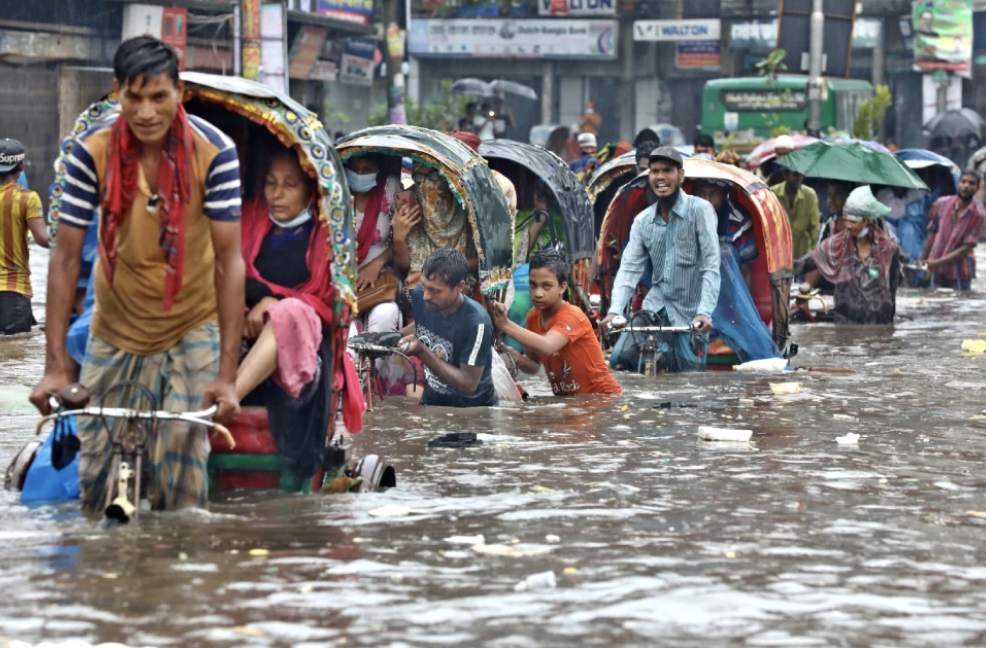
The Unfair Burden of Climate Change: How the Global South Pays for a Crisis It Didn’t Create
Read more: The Unfair Burden of Climate Change: How the Global South Pays for a Crisis It Didn’t CreateAbstract Climate change is a global issue, but the causes and consequences of this problem can be understood as extremely unequal. In this article, we will explore climate change in the Global South and how this region is disproportionately affected by climate change, despite its least contribution to global greenhouse gas emissions. By relating climate…
-
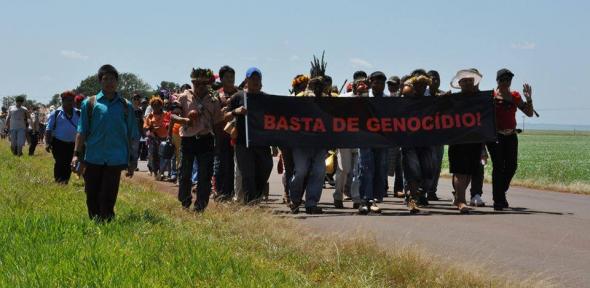
GUARANI-KAIOWÁ LAND RIGHTS AND ENVIRONMENTAL DESTRUCTION IN BRAZIL
Read more: GUARANI-KAIOWÁ LAND RIGHTS AND ENVIRONMENTAL DESTRUCTION IN BRAZILBy — Shreya Parameshwaran Abstract: Guarani-Kaiowá confront existential challenges due to agribusiness in Mato Grosso do Sul, Brazil, especially in regard to land loss and the conversion of their tekoha to monocultures of soy, sugarcane, and cattle.Marcos Veron’s murder exemplifies “Kaiowcide”, violence, evictions, and the world’s highest youth suicide rates amid malnutrition on overcrowded reserves. …
-

Trading the Sky: How Climate Governance Recycles Imperial Power
Read more: Trading the Sky: How Climate Governance Recycles Imperial PowerBy – Siddarth Poola Abstract: Global climate governance is frequently framed as a cooperative, forward-looking project aimed at managing a shared planetary crisis. Yet beneath the language of sustainability, innovation, and market efficiency lies a set of arrangements that closely resemble older systems of domination. By tracing how environmental governance inherits colonial patterns of resource…
-
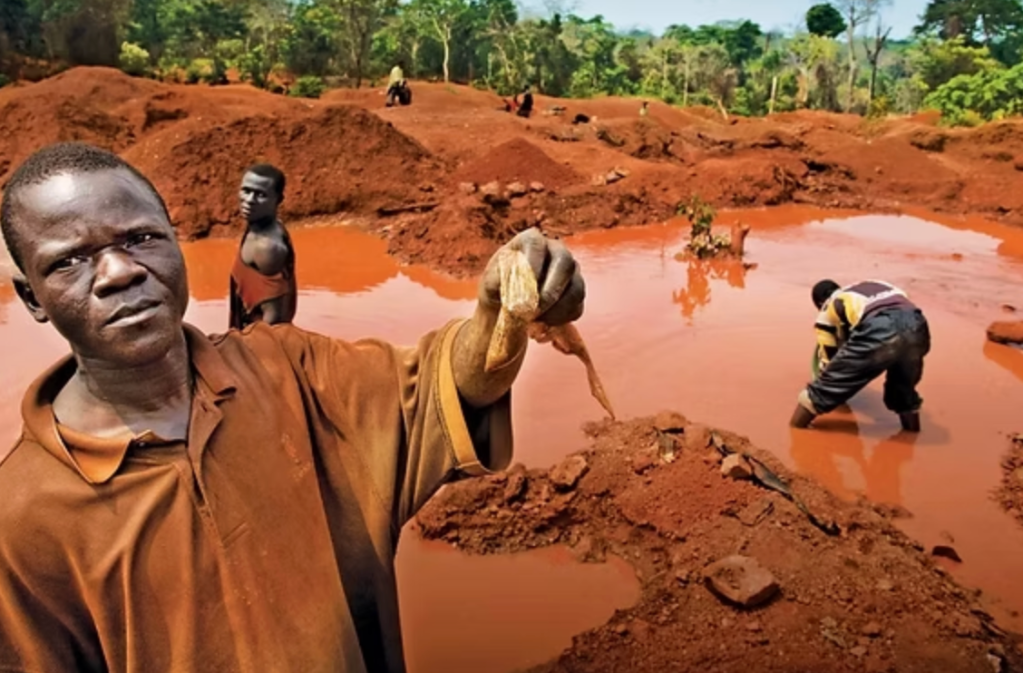
The Environmental Exploitation of Congo and the Genocide It Fuelled
Read more: The Environmental Exploitation of Congo and the Genocide It FuelledBy – Siddarth Poola AbstractThe story of the Democratic Republic of Congo is rarely discussed, but it is a tale as old as colonial times. One that lets the real culprits off the hook. This article will talk about how the violence in the Congo has been manufactured and amplified by an extractive global political…
-
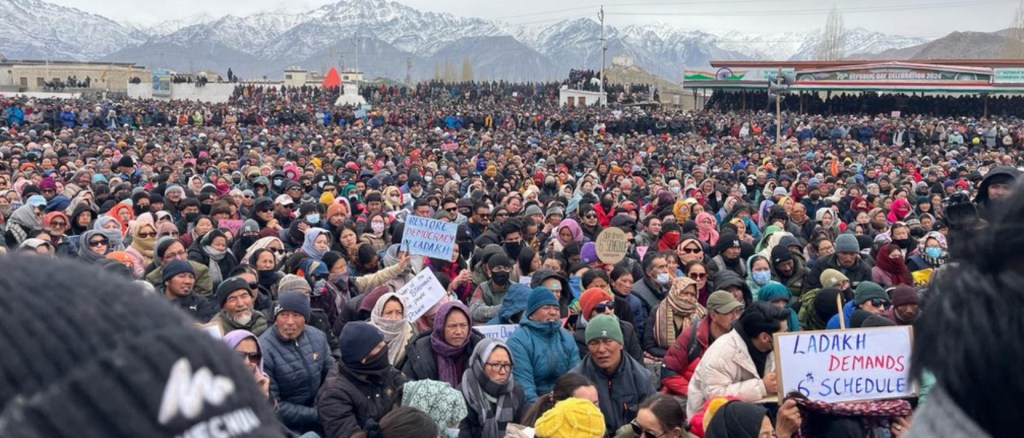
Ladakh’s Fight: Autonomy, Ecology, and Indigenous Rights
Read more: Ladakh’s Fight: Autonomy, Ecology, and Indigenous RightsBy — Varsha M Abstract: The separation of Ladakh from Jammu and Kashmir in 2019 was initially welcomed by the local people. However, Ladakh’s indigenous majority population was left without any significant legislative authority and essential ecological protections, leaving its fragile Himalayan ecosystem vulnerable to the escalations in unsustainable tourism, militarisation, and climate change. The…

Nickeled & Dimed
Penny for your thoughts?
We are accepting articles on our new email: cnes.ju@gmail.com
 NICKELED AND DIMED