
By Jishaant
Abstract
Maui, a paradise island known for its pristine beauty, has been marred by the recent outbreak of wildfires that have wreaked havoc on its landscapes and communities. This article delves into the underlying causes of the Maui wildfires, shedding light on both natural and human factors responsible for their occurrence. The human role in exacerbating these wildfires is explored, along with the influence of climate, vegetation, and firefighting strategies. The article concludes by emphasizing the need for proactive measures and community involvement to prevent and manage future wildfire incidents.
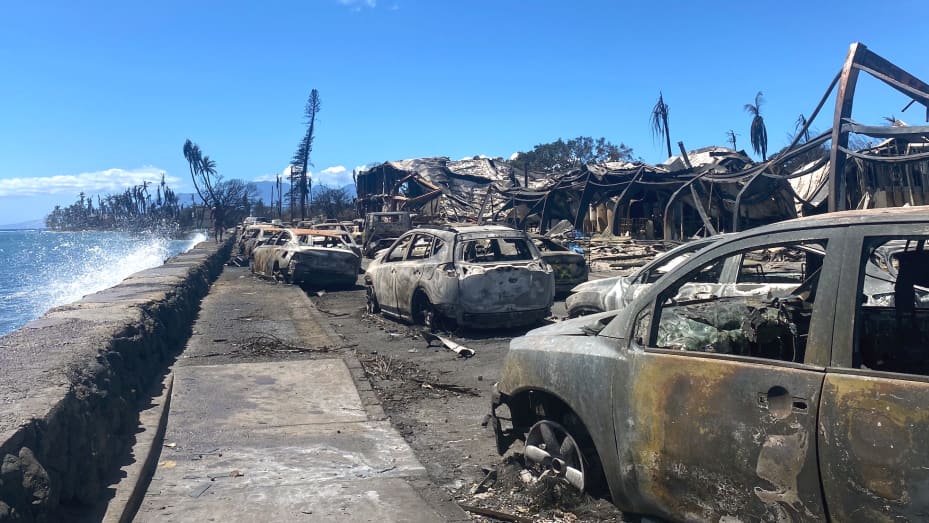
The allure of Maui lies in its picturesque landscapes and lush greenery, yet this idyllic image has been shattered by the relentless wildfires that have swept across the island. The consequences of these fires are profound, impacting both the environment and local communities. Understanding the root causes of these wildfires is crucial to implementing effective preventive measures and safeguarding Maui’s natural treasures.
Unraveling the Reasons Behind Maui’s Wildfires: A Complex Web of Factors
The picturesque landscapes of Maui have recently been marred by the destructive force of wildfires, leaving communities and ecosystems in distress. To comprehend the underlying causes of these catastrophic events, one must navigate a complex interplay of natural and human-driven factors that create the perfect conditions for wildfires to ignite and spread.
Vegetation and Fuel Load, The abundance of dry vegetation on the island contributes significantly to the rapid spread of wildfires. Grasses, shrubs, and trees serve as fuel for these fires, allowing them to advance swiftly across the landscape. The presence of invasive plant species further exacerbates the situation, as they tend to burn more intensely and create an environment conducive to fires.
Lightning Strikes, Although relatively infrequent, lightning strikes are a natural ignition source for wildfires. During thunderstorms, lightning can strike the dry ground or vegetation, sparking fires that can quickly escalate. Remote and hard-to-reach areas are particularly susceptible to lightning-induced wildfires.
Wildland-Urban Interface, The expanding interface between wildland and urban areas presents a challenge in wildfire management. Human settlements encroach on natural landscapes, creating a scenario where fires can threaten homes and infrastructure. This not only increases the danger to human life but also necessitates more aggressive firefighting strategies that can impact ecosystems.
Inadequate Land Management, Improper land management practices, such as neglecting to clear dead vegetation or implementing controlled burns, can create a buildup of fuel that feeds wildfires. The lack of proactive measures to reduce fuel load can lead to more intense and uncontrollable fires when ignition occurs.
Topography and Wind Patterns, Maui’s diverse topography, characterized by valleys, ridges, and slopes, influences the path and speed of wildfires. Wind patterns can carry embers over considerable distances, allowing fires to jump barriers and quickly
Human Role in Maui Wildfires: Igniting Destruction
Ignition Sources,Human-caused wildfires on Maui stem from a range of sources, many of which are preventable. Unattended campfires, discarded cigarette butts, and equipment sparks are common ignition points. Inadvertent acts, like power lines coming into contact with vegetation during windy conditions, can trigger fires that quickly spiral out of control. The transformation of wildland into urban spaces also increases the risk of human-caused ignitions due to increased human activity and infrastructure.
Land Management Practices, Human activities that involve land management, such as agricultural practices and land clearing, can also contribute to the outbreak and spread of wildfires. Slash-and-burn techniques, often used for agricultural expansion or unauthorized land clearing, can inadvertently lead to uncontrolled fires that endanger both natural ecosystems and populated areas.
Influence of Carelessness and Negligence, Carelessness and negligence further amplify the role of human activities in wildfires. Discarded glass bottles, which can act as magnifying glasses in the intense sunlight, have been known to start fires. Similarly, the improper disposal of hot charcoal or ashes from barbecues can spark fires if not managed responsibly. These incidents underscore the need for heightened awareness and responsibility among residents and visitors alike.
Addressing the Human Component To effectively mitigate the human role in Maui wildfires, education and awareness are paramount. Public campaigns to educate individuals about fire safety, responsible waste disposal, and the dangers of certain activities during dry and windy periods can help prevent accidental ignitions. Stricter regulations around campfires, smoking in outdoor areas, and land clearing practices can also serve as preventive measures.
Collaborative Efforts, Collaboration between local communities, government agencies, and firefighting teams is crucial to addressing the human factor in wildfires. Community-driven initiatives, such as neighborhood watch programs or volunteer fire prevention patrols, can act as an early warning system and play a pivotal role in preventing ignitions from escalating into large-scale infernos.
Other Contributing Factors, Climate change amplifies the risk of wildfires by creating hotter and drier conditions, conducive to fire ignition and rapid spread. Invasive plant species can alter the island’s natural ecosystem, creating a higher fire risk due to their propensity to ignite and burn more intensely. These factors compound the challenge of managing and suppressing wildfires effectively.
Safeguarding Maui: The Crucial Role of Effective Firefighting Strategies expands to new areas.
The recent wave of destructive wildfires on Maui has highlighted the critical importance of well-designed firefighting strategies for safeguarding lives, property, and the island’s delicate ecosystems. In the face of increasingly frequent and severe wildfires, robust firefighting tactics are vital to minimize devastation and enhance the island’s resilience.
Swift Response and Early Detection, Acting swiftly is pivotal in containing wildfires during their initial stages. Early detection through advanced monitoring systems—like surveillance cameras and satellite imagery—empowers firefighters to intervene promptly, stopping small ignition points from evolving into unmanageable blazes. Strategic Firebreaks and Fuel Management, Creating strategic firebreaks—cleared areas without vegetation—acts as a barrier to halt fire progress. By removing potential fuel sources like dry vegetation, firefighters limit the resources fires require to spread. Controlled burns, executed safely, also reduce fuel loads and mitigate fire risk.
Collaborative Efforts and Community Involvement, Effective firefighting extends beyond professionals. Engaging local communities, training volunteers, and establishing neighborhood watch programs enhance the collective ability to respond quickly to potential ignition sources. Community involvement strengthens early warning systems and ensures coordinated responses.
Aerial Firefighting Techniques, Aerial resources play a critical role in Maui’s wildfire combat. Helicopters with water buckets and fixed-wing aircraft equipped to drop fire retardant swiftly control flames and create firebreaks from above. These assets are particularly invaluable in rugged terrains. Structured Incident Command Systems, Structured incident command systems streamline coordination among firefighting teams. Role assignments, communication channels, and centralized decision-making optimize operations, allocating resources where most needed.
Cutting-Edge Technology and Data Analytics, Advanced technology, including fire behavior modeling and geographic information systems (GIS), provides real-time data on fire spread, weather, and evacuation routes. This data enhances situational awareness, guiding strategic decision-making. Continuous Training and Equipment, Ongoing training equips firefighting personnel with skills to tackle dynamic scenarios safely. Outfitting firefighters with modern protective gear, communication tools, and specialized equipment enhances their ability to combat fires in hazardous conditions. Preparedness for Worst-Case Scenarios, Developing contingency plans for worst-case scenarios, like rapid fire spread in challenging terrain, ensures adaptability to evolving situations. Simulations and exercises refine response strategies, allowing quick adjustments as conditions change.
Conclusion
The Maui wildfires serve as a stark reminder of the delicate balance between nature and human influence. While natural factors like climate change play a role, human activities often act as catalysts for these devastating events. To secure Maui’s future, it is imperative to implement proactive strategies, educate communities about fire safety, and promote responsible land management practices. By acknowledging the impact of human behavior and addressing the root causes of wildfires, we can hope to preserve the island’s beauty and biodiversity for generations to come.
Acknowledging Future Challenges and Preparing Ahead:
As Maui recovers from the recent wildfires, it is crucial to prepare for future challenges. This includes improving infrastructure to minimize the risk of power lines causing ignitions, enforcing stricter regulations on land clearing practices, and enhancing community awareness about fire prevention. Through collective efforts, the people of Maui can turn the tide against wildfires and safeguard their cherished island.
In conclusion, the Maui wildfires are a wake-up call to the delicate equilibrium between nature and human actions. Recognizing the intertwined factors that lead to wildfires and taking proactive measures will determine the island’s resilience in the face of these challenges. By addressing human-induced causes and bolstering firefighting strategies, Maui can emerge stronger, more resilient, and better equipped to protect its natural wonders from the ravages of wildfires.
Author’s Bio
Jishaant is a Second Year at Jindal School of Environment and Sustainability, pursuing the course BA Hons and is deeply interested in environmental Economics.
Image Source: https://www.cnbc.com/2023/08/13/hawaii-maui-wildfires-death-toll-.html
 NICKELED AND DIMED