-
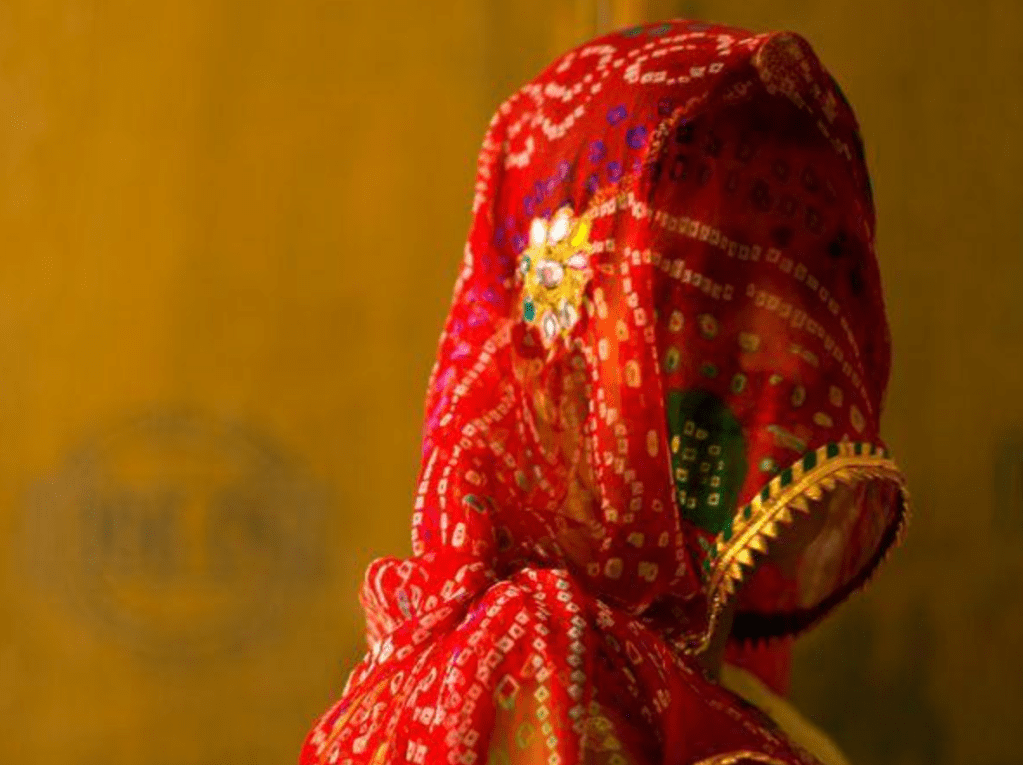
Marital Rape and Primitive Accumulation in India: Part 1
Read more: Marital Rape and Primitive Accumulation in India: Part 1By – K.S. Prathignya Abstract: This article applies a Marxist-Feminist framework to understand how marital rape unveils the reality of what bodily autonomy is regarded as in India, displaying how it inherently shapes the discourse around women’s personal sovereignty. It will argue that marital rape is used as a tool to continue the primitive accumulation…
-
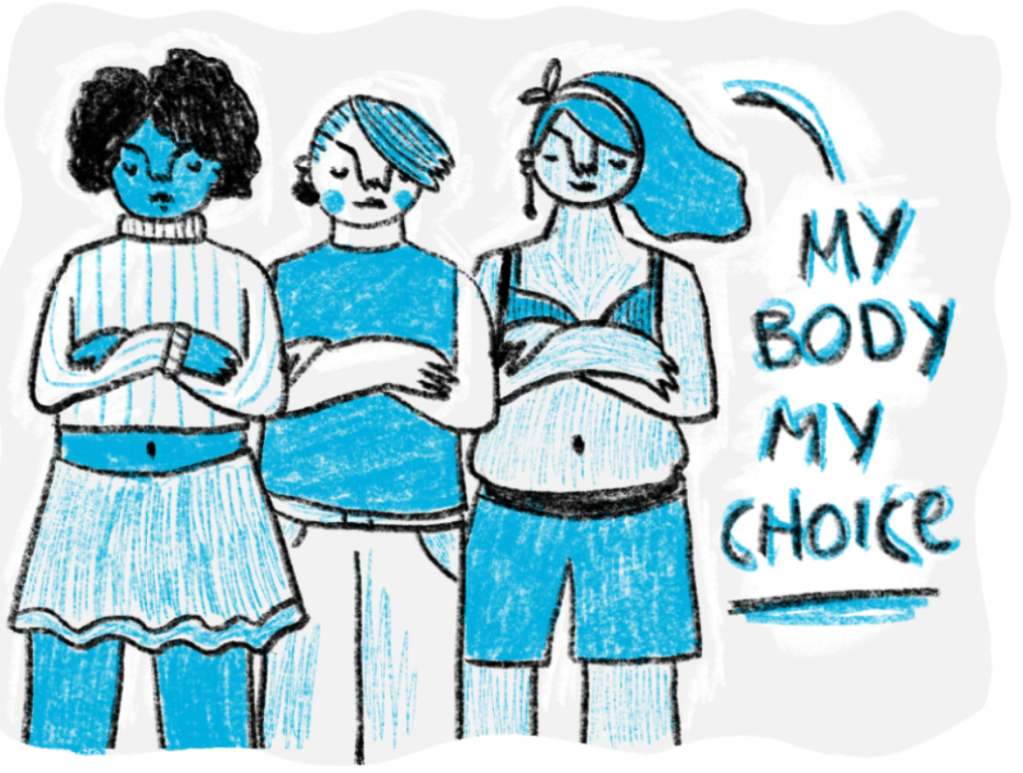
The Politics Written on Skin: Reclaiming Bodily Autonomy as Feminist Politics
Read more: The Politics Written on Skin: Reclaiming Bodily Autonomy as Feminist PoliticsBy – Chinmayi J. Abstract A fundamental issue in feminist and gender justice discourse is bodily autonomy. However, concepts such as the state, capitalism, caste, race, religion, and patriarchy all interact to shape this unequal distribution of autonomy. This article explores bodily autonomy as a contentious area within the gender and social spectrum, contending that…
-
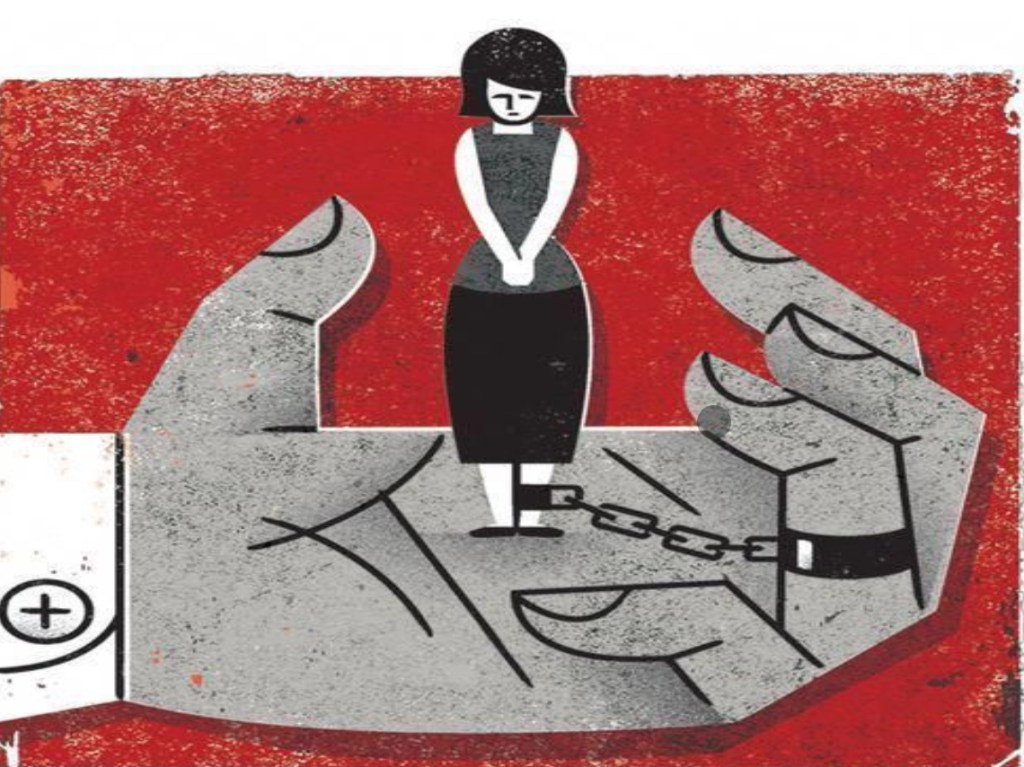
Women and Romance: The Concept of a Soulmate
Read more: Women and Romance: The Concept of a SoulmateBy — K.S. Prathignya Abstract: This article examines how certain romantic concepts such as the ‘soulmate’ often restrict the mobility of a woman’s autonomy. This leads to the strengthening of marriage as an institution due to the bargaining of a woman’s autonomy becoming a life-long process. Introduction Love refers to an emotion which includes strong…
-

Over Socialisation mistaken for empathy: A critical analysis of the portrayal femininity in film
Read more: Over Socialisation mistaken for empathy: A critical analysis of the portrayal femininity in filmBy – K.S. Prathignya Abstract This article examines how cinema portrays and promotes qualities of over socialisation as a part of feminine standards, but often describes it as empathy instead. It argues that this internalisation of gender norms is a gradual process. Through a cross comparison between two forms of cinema, there is a connection…
-

Choked, Torn and Bleached: The Global Bioeconomies of the Female Body
Read more: Choked, Torn and Bleached: The Global Bioeconomies of the Female BodyBy – Sujal Bamal Abstract A preference that is established on the obsession of molding the female body to soothe the male gaze is a system of control disguised as beauty. Rooted in gendered, economic and cultural power, aesthetic standards emerge at the start of every decade and the female anatomy serves as the canvas…
-
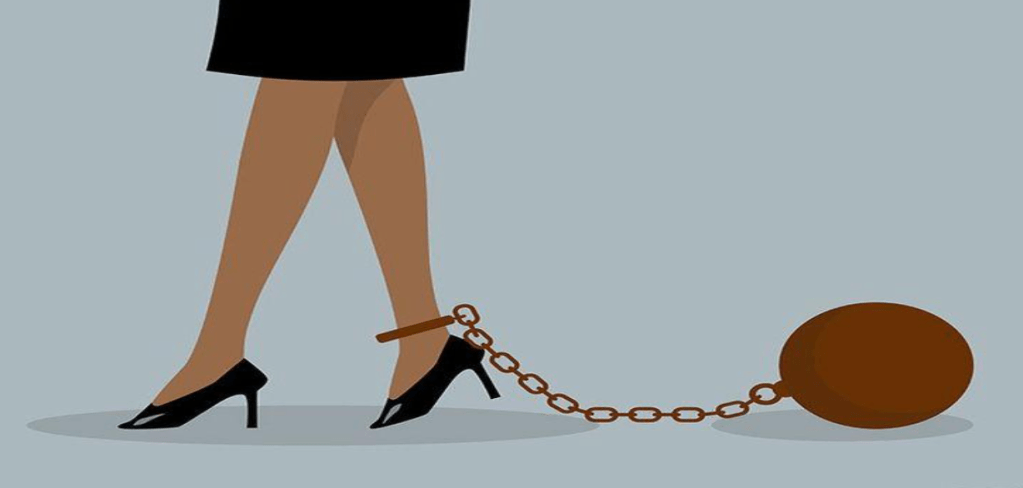
Liberal Feminism and Economic Hegemony – A Critical Analysis of Sydney Sweeney’s Bath Soap, the Commodification of Sex and Patriarchal Desire in Late Capitalist Markets
Read more: Liberal Feminism and Economic Hegemony – A Critical Analysis of Sydney Sweeney’s Bath Soap, the Commodification of Sex and Patriarchal Desire in Late Capitalist MarketsBy – K.S. Prathignya Abstract This article examines the commodification of women’s bodies under liberal feminism, using critical frameworks to correlate it with the recent controversy of Sydney Sweeney’s ‘bath-water soap’. This article argues that liberal feminism places ‘empowerment of a woman’ on her body, however her body is sold for the male gaze. This…
-
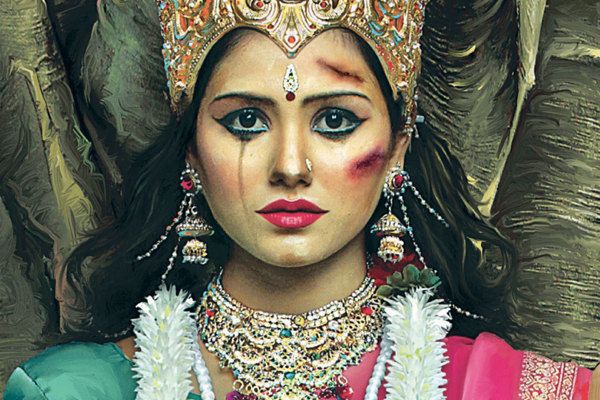
Sati, Savitri and the Modern Hindu Woman
Read more: Sati, Savitri and the Modern Hindu WomanMyth breathes in the fabric of everyday life, binding Hindu women to the timeless figures of Sita, Draupadi, and Savitri. In a world that celebrates their endurance while silencing their dissent, mythology becomes less a source of inspiration and more a mirror of control. This article explores how ancient ideals persist under modern guises, shaping…
-
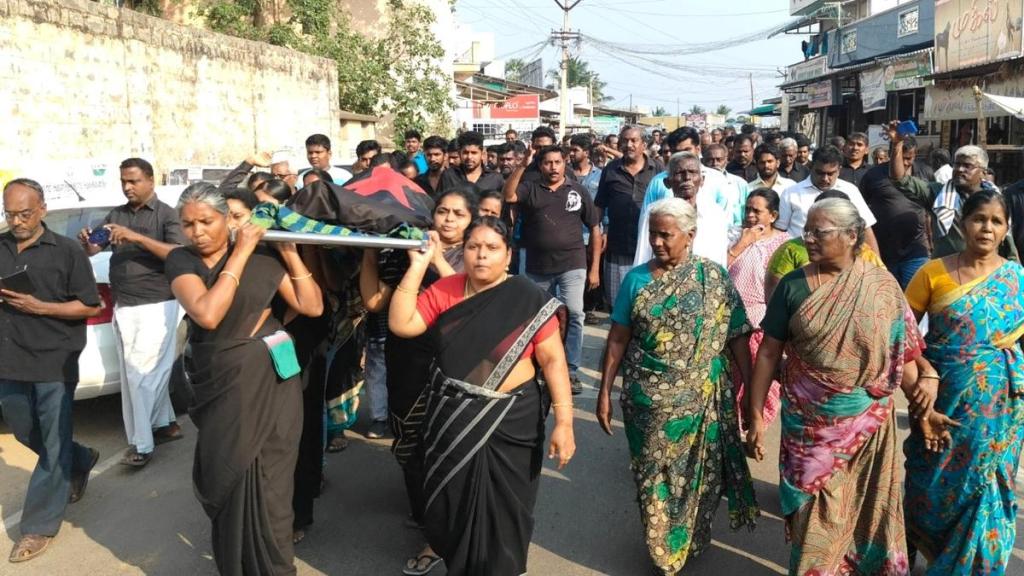
Rituals of Resistance: Women, Funeral Rites, and the Challenge to Patriarchy
Read more: Rituals of Resistance: Women, Funeral Rites, and the Challenge to PatriarchyThis article examines how funeral sites in India are deeply gendered spaces and argues that women’s participation in traditionally male funeral roles acts as an everyday form of resistance to patriarchy. Using the example of the Salem District’s Dravidar Viduthalai Kazhagam (DVK) women, it explores how the feminization of rituals can drive meaningful structural change.…
-

Governance Feminism and the Paradox of Institutional Power: Janet Halley’s Challenge to Feminist Praxis
Read more: Governance Feminism and the Paradox of Institutional Power: Janet Halley’s Challenge to Feminist PraxisJanet Halley’s Governance Feminism examines feminism’s paradoxical institutionalization as it transitions from radical movement to governing authority. Analyzing cases like Twyman v. Twyman, this blog reveals how feminist legal achievements risk entrenching punitive systems, marginalizing dissent, and legitimizing exclusionary power. Halley advocates a strategic pause from feminist frameworks to confront institutional complicity and rekindle transformative…
-
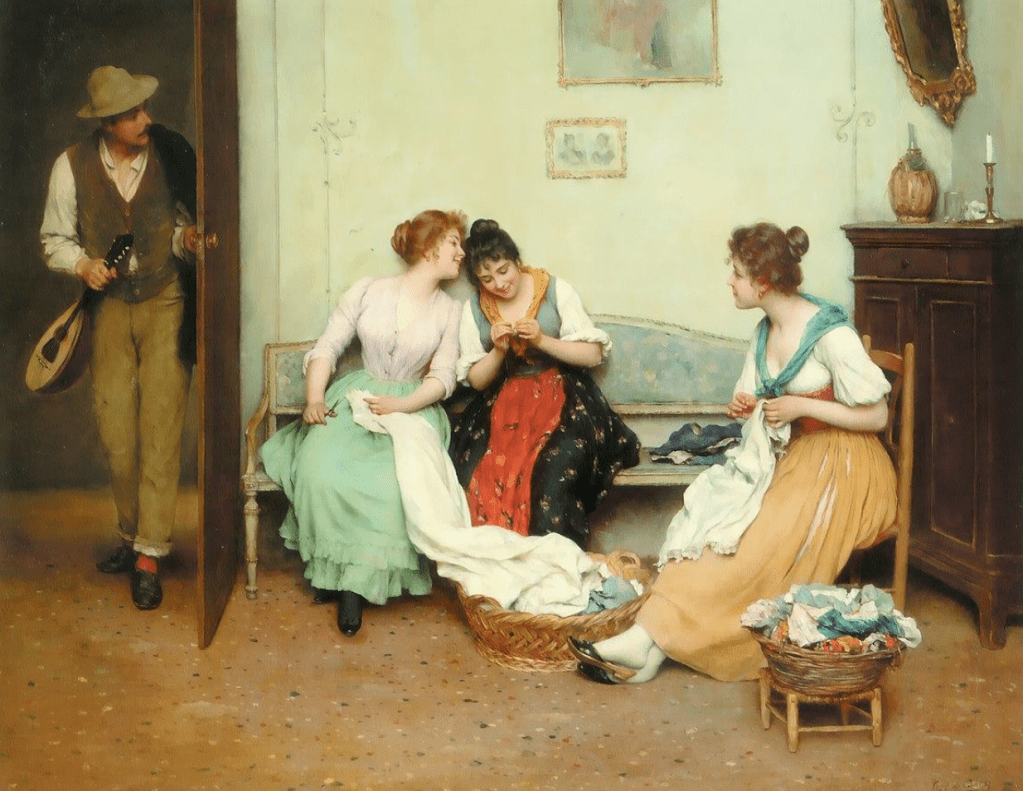
The Silence Spell
Read more: The Silence SpellBy – Muskan Hossain Abstract Throughout the course of history, women’s voices have been silenced, controlled and dismissed- whether through the demoralisation of ‘gossip’ or the policing of ‘TMI’ (too much information). Gossip, once a term with positive connotations signifying sisterhood, has now been rebranded as deceitful in order to suppress female autonomy, as can…
-

The Hidden Trailblazer of Indian Football
Read more: The Hidden Trailblazer of Indian FootballBy – Sujal Bamal Preface For as long as I have known her, she has remained a bright light of joy and exuberance, illuminating everything that she sees and filling people up with hope and peace. Despite her struggles throughout her life, she has said that the driving forces fueling her actions are kindness and…
-

Forgotten Voices: Women in World War II
Read more: Forgotten Voices: Women in World War IIBy : Poorvanshi Tyagi Abstract War history for many, has been one of chronologically arranged vertically occurring events. This narrative leads to an erasure of war perspectives of marginalised subaltern racial and gender groups. Women, for instance, shouldered war turmoil alongside men, partaking in war effort in several ways. However, female experiences in war are…

Nickeled & Dimed
Penny for your thoughts?
We are accepting articles on our new email: cnes.ju@gmail.com
 NICKELED AND DIMED