-

India’s Mediation Act, 2023: Symbolic Reform or Structural Change
Read more: India’s Mediation Act, 2023: Symbolic Reform or Structural ChangeBy – Shreya Maheshwari Abstract The Indian Mediation Act, 2023, was a legislative step by the government for transforming Indian dispute resolution mechanisms. While it is a progressive reform for reducing the backlog of overburdened Indian judiciary, having nearly 50 million pending cases, along with promoting collaborative and cost-effective justice in the country, compared to…
-

Granting Anti-Arbitration Injunction in Foreign Seated Arbitrations: Analysing Delhi High Court’s Decision in the Engineering Projects Case
Read more: Granting Anti-Arbitration Injunction in Foreign Seated Arbitrations: Analysing Delhi High Court’s Decision in the Engineering Projects CaseBy – Malvika Nambiar Abstract To what extent does the power of Indian courts extend in relation to arbitration, especially when the arbitration is seated abroad? The Delhi High Court in the recent case of Engineering Projects (India) Ltd v. MSA Global LLC gave power to the courts to intervene in the case of a…
-

Investment Treaty Arbitration in India: The Commercial Reservation and Renewable Energy Risks
Read more: Investment Treaty Arbitration in India: The Commercial Reservation and Renewable Energy RisksBy – Gurram Sai Ruchitha Abstract India’s ambitious renewable energy ambitions rely on continued foreign investment, making effective dispute resolution mechanisms crucial for maintaining investor confidence. This article examines the enforcement of investment treaty arbitration (ITA) awards in India, with a focus on the challenges posed by the Arbitration and Conciliation Act, 1996, and India’s…
-

The Constitutional Boundaries of Mercy Power and the Mandate for Timely Disposal
Read more: The Constitutional Boundaries of Mercy Power and the Mandate for Timely DisposalBy – Mani Meghana Godavarthi Abstract The article explores the constitutional boundaries of executive mercy powers under Articles 72 and 161 of the Constitution of India. It emphasises the imperative for their timely exercise by considering Article 21 (the right to life). It focus is on the implications of procedural delays on the fundamental rights…
-

Whose Verdict Counts? Examining Jury and Judicial Discretion in Death Sentences
Read more: Whose Verdict Counts? Examining Jury and Judicial Discretion in Death SentencesBy – Srisoniya Subramoniam Abstract The Indian Constitution guarantees fundamental rights, which foremost protect the life of an individual. Article 21 highlights that ‘no person’ shall be denied such protection unless it is warranted by a ‘procedure established by law’. Here, a dilemma arises – what if such a procedure established by law is itself…
-
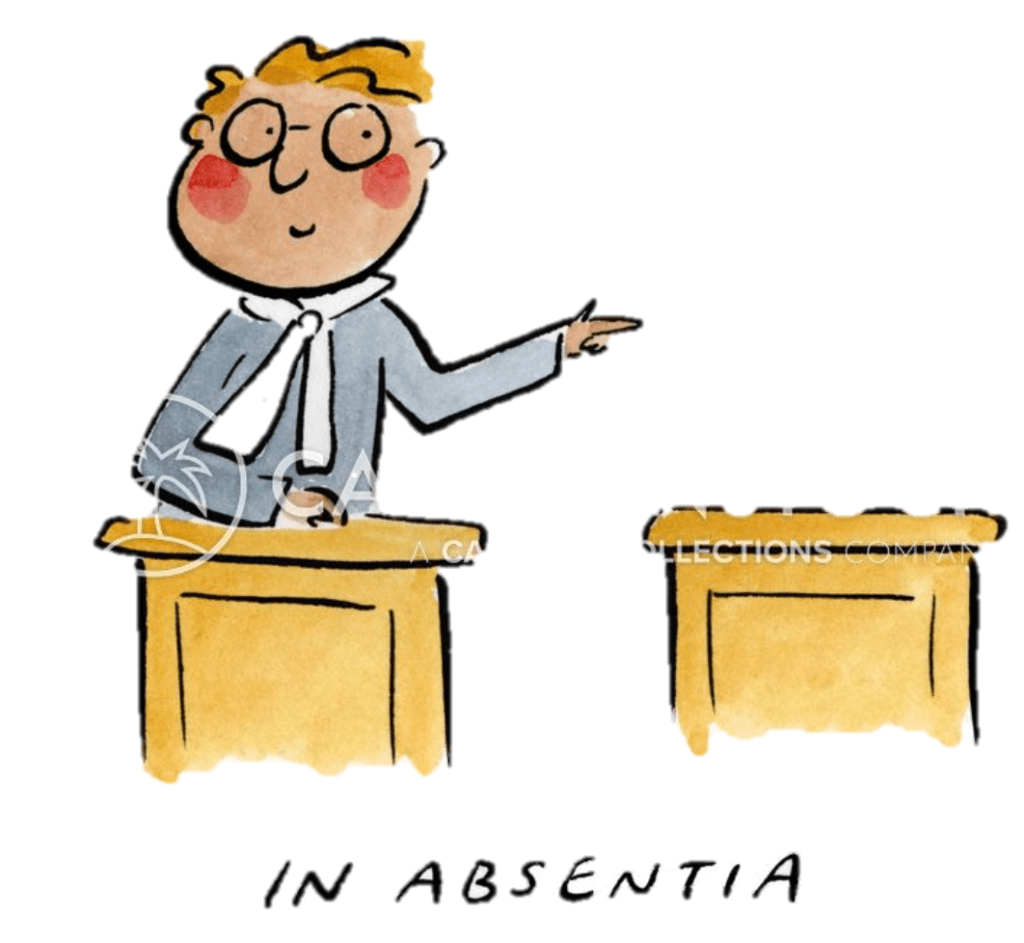
TRIAL-IN-ABSENTIA: A Necessity or Shortcut to Conviction?
Read more: TRIAL-IN-ABSENTIA: A Necessity or Shortcut to Conviction?By – Srisoniya Subramoniam Abstract “No man shall be condemned unheard.” While an ideal justice system strives to hear both parties, giving them equal opportunities to establish their innocence, the BNSS’s (Bhartiya Nagarik Suraksha Sanhita, hereinafter, BNSS) regime simply fails to do so. Despite the core tenet of the Indian criminal justice system being a…
-

Political Satire Under Siege: The Legal Limits of Free Speech and Defamation in India
Read more: Political Satire Under Siege: The Legal Limits of Free Speech and Defamation in IndiaBy – Sai Ruchitha Abstract This article critically examines the shrinking space for political satire in India, with a focus on the legal controversy surrounding the comedian Kunal Kamra. It explores the jurisprudence around defamation, contempt of court, and the cultural chill on satire in light of Kamra’s experiences. One of his satirical remarks regarding…
-
Dissecting the dissent to modification of arbitral award under Section 34 of the Arbitration and Conciliation Act: The Gayatri Balasamy case
Read more: Dissecting the dissent to modification of arbitral award under Section 34 of the Arbitration and Conciliation Act: The Gayatri Balasamy caseBy – Malvika Nambiar Abstract Section 34 of the Arbitration and Conciliation Act is the most used provision by parties seeking to challenge and set aside arbitral awards. It is a recourse often taken by the losing parties to try for a favourable outcome. However, this power of courts to set aside is strictly restricted…
-

Family Courts and Women: Examining its Unintended Consequences
Read more: Family Courts and Women: Examining its Unintended ConsequencesBy : Manav Chakraborty Abstract The Family Courts Act of 1984, was introduced in India to provide a specialised and sensitive forum for resolving family disputes with a focus on gender justice and the welfare of women. However, its implementation has revealed significant unintended consequences. This paper critically examines how the Act’s objectives—such as prioritising…
-

MEDITARI, MEDITATIO, MEDIATION: Tackling Non-Starter Cases —Lessons from the Italian Model
Read more: MEDITARI, MEDITATIO, MEDIATION: Tackling Non-Starter Cases —Lessons from the Italian ModelBy : Anandi Katiyar Abstract Mediation in commercial disputes is a cost-effective alternative to litigation, yet India’s framework faces significant hurdles, particularly the issue of non-starter cases where parties fail to engage meaningfully. This paper explores how India can address this challenge by adopting Italy’s successful “carrot-and-stick” approach. Italy’s mediation reforms of 2023 incentivise participation…
-

Legitimacy of Traditions and Customs under Hindu Marriages: A Feminist Approach
Read more: Legitimacy of Traditions and Customs under Hindu Marriages: A Feminist ApproachThis article examines the evolution of judicial interpretations of restitution of conjugal rights under Section 9 of the Hindu Marriage Act, 1955 in India, highlighting its patriarchal roots and impact on women’s autonomy. Through cases like Swaraj Garg v. K.M. Garg, it explores shifting legal perspectives on matrimonial domestice decisions. While progressive rulings have challenged…
-

The Fall of Triple Talaq: A Legal Victory?
Read more: The Fall of Triple Talaq: A Legal Victory?The year 2017 witnessed a pivotal landmark in the legal- and social struggles- of Muslim women’s rights through the Shayara Bano v. Union of India case which led to the abolition of talaq-e-bid’ah (triple talaq) in the nation. This article looks closely at the monumental case’s background, Shayara Bano’s petition along with the Supreme Court’s…

Nickeled & Dimed
Penny for your thoughts?
We are accepting articles on our new email: cnes.ju@gmail.com
 NICKELED AND DIMED